By Rick Fisher, food-and-drink journalist
.png.transform/rendition-xs/image_image%20(1).png "Feder")

By Rick Fisher, food-and-drink journalist
Why Spain Is Made for Wine at Elevation
Few countries are as closely associated with high-elevation viticulture as Spain. Elevation is woven throughout its wine landscape, from the interior plateau and surrounding mountain ranges to the volcanic islands of the Atlantic. Rather than defining one isolated category of wine, it shapes established regions, indigenous varieties and an unusually broad range of styles across the country.
With an average elevation of around 660 m (2,165 ft), Spain is one of Europe’s highest countries. Vineyards between 500 and 1,000 m (1,640–3,281 ft) are common, while the Canary Islands rise considerably higher.
Spain’s sunshine and warmth make elevation particularly valuable. Cooler temperatures, wider day-night variation and slower ripening help vineyards retain acidity and aromatic freshness, allowing wines to combine concentration with balance. At the same time, stronger sunlight can support flavor and phenolic development, so growers are not simply exchanging ripeness for freshness; they are seeking a more gradual and complete maturation.
Elevation is never an isolated influence: slope, drainage, solar radiation, wind, rainfall and geology all modify its effects. Two vineyards at the same height can therefore produce markedly different wines. A north-facing granite slope exposed to Atlantic weather, for example, will behave differently from a sheltered limestone plateau under a continental climate. Elevation is most useful as a framework for understanding these relationships, rather than as a simple guarantee of quality or a single recognizable wine style.
As the climate warms, growers are also recovering historic mountain sites and planting higher to delay ripening, moderate sugar accumulation and preserve acidity.
What Constitutes a High-Elevation Vineyard?
There is no universal definition of a high-elevation vineyard. Its significance depends on latitude, regional climate and local conditions: a site at 600 m (1,969 ft) in southern Spain experiences a different growing season from one at the same height in northern Europe.
In Europe, vineyards above approximately 500 m (1,640 ft) are often treated as high-elevation sites. Spain is unusual because such sites occur across many important regions rather than as isolated exceptions.
Temperatures typically fall by approximately 0.56°C (1°F) for every 76 m (250 ft) of elevation gain, although humidity and atmospheric conditions affect the rate. Cooler conditions slow ripening and acid loss, helping fruit develop flavor and phenolic maturity without excessive sugar accumulation. The longer season can be especially important in Spain’s continental interior, where warm summer days encourage ripening but harvest-time balance depends on retaining sufficient natural acidity.
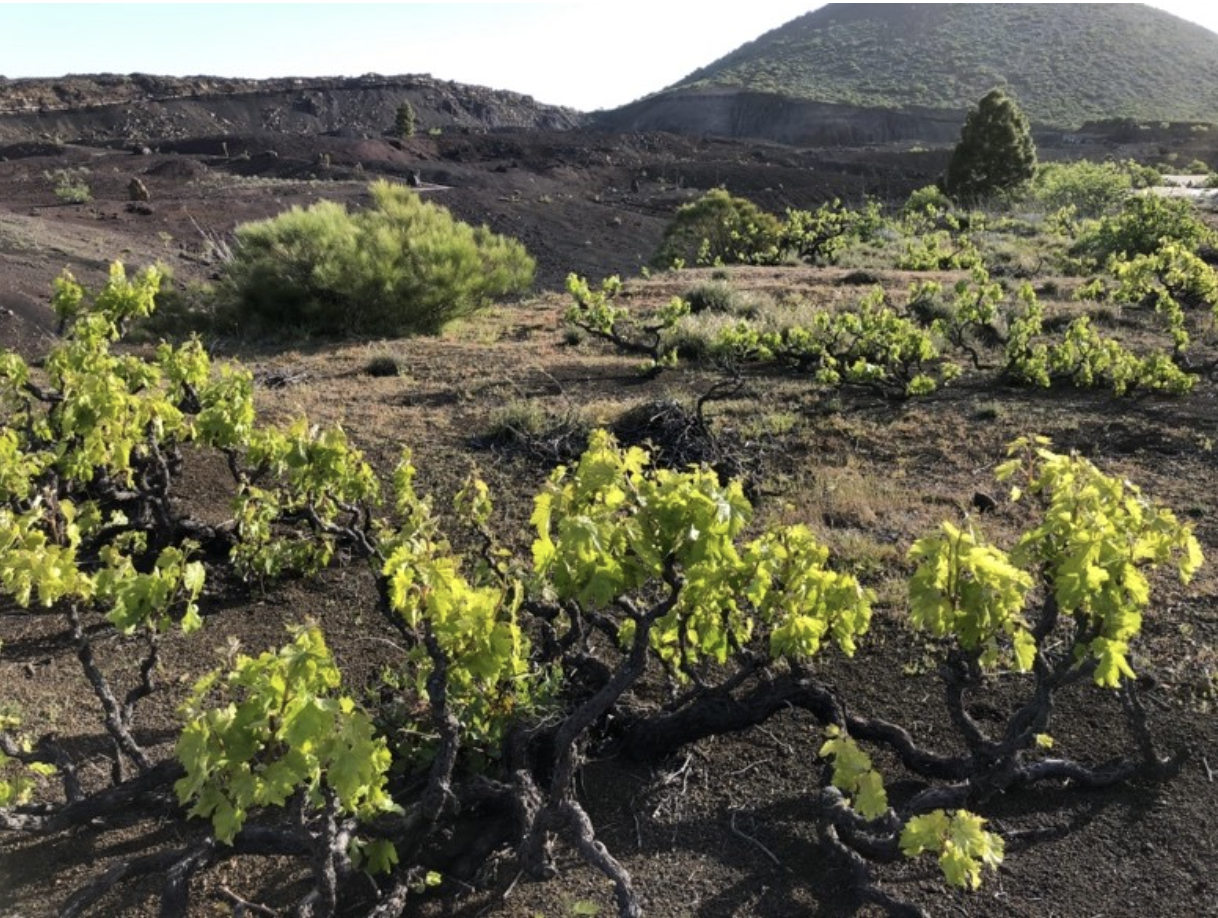
Envínate vineyard in Santiago del Teide (Tenerife) located at 1,000 m (Source: Rick Fisher)
A wider diurnal range can be equally important: warm days support photosynthesis, while cool nights slow respiration and preserve malic acid and aromatic compounds.
Higher sites also receive stronger solar and ultraviolet radiation. Grapes may respond with thicker skins, potentially increasing color, tannin and phenolic concentration in black varieties and aromatic intensity in whites.
Mountain slopes add further effects. Cold air can drain downslope, water moves readily through shallow, stony soils and restricted fertility limits vine vigor. These difficult, costly sites often produce low yields and concentrated fruit.
Why Spain Is Uniquely Suited to High-Elevation Viticulture
Spain’s geography makes high-elevation winegrowing possible on an exceptional scale.
The Meseta Central dominates much of the mainland, placing large areas of the interior between 600 and 800 m (1,969–2,625 ft) even before vineyards climb the surrounding slopes (Spain High Altitude Vineyards). This raised baseline moderates the warm continental climate and means that elevation is often a basic condition of Spanish viticulture, not an exceptional feature reserved for a few mountain estates.
The Pyrenees, Cordillera Cantábrica, Sistema Central, Sistema Ibérico and Baetic ranges divide the country into valleys, plateaus and slopes, shaping rainfall, winds and numerous mesoclimates.
Maritime influence adds another layer. In Atlantic regions, elevation reinforces cool conditions; near the Mediterranean, it relieves summer heat; and across the continental interior, hot days alternate with cool nights.
The results are diverse: Tempranillo differs between Ribera del Duero and Rioja; Garnacha Tinta between Gredos and Aragón; Mencía between Bierzo and Ribeira Sacra; and indigenous island varieties on the volcanic slopes of the Canaries. Each reflects a distinct combination of height, climate, geology and tradition.
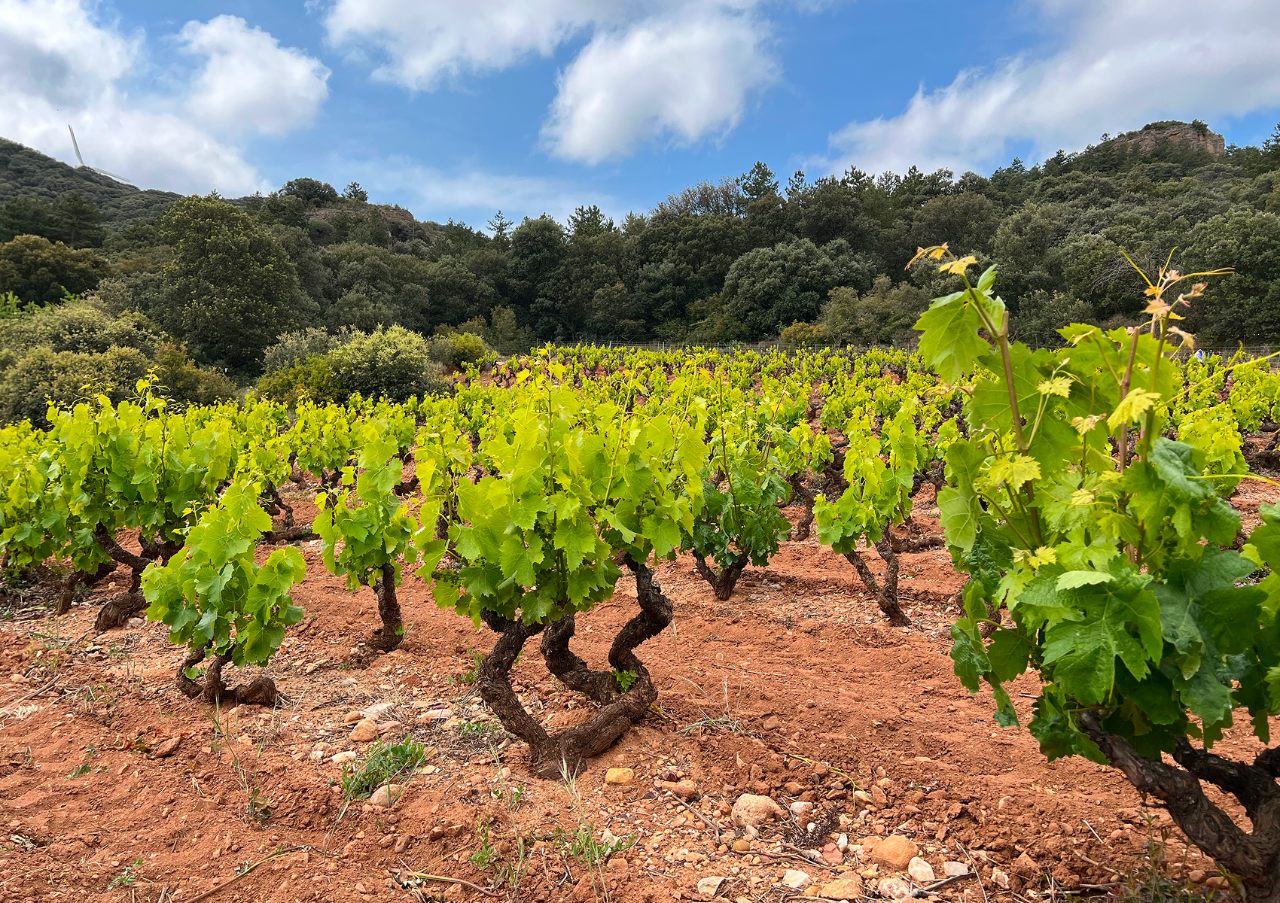
Arizcuren Bodegas y Viñedos Barranco del Prado vineyard located at 768 m in Rioja Oriental (Source: Javier Arizcuren)
The Canary Islands offer the most dramatic contrast, combining volcanic soils, maritime influence, trade winds and intense sunlight. Because phylloxera never became established there, many vineyards retain historic vines on their own roots.
Spain's Principal High-Elevation Wine Regions
High-elevation vineyards occur throughout Spain, but their role varies: they moderate heat in the south and east, temper continental extremes inland and reinforce freshness in Atlantic-influenced regions.
Ribera del Duero
Few Spanish appellations demonstrate the importance of elevation more clearly than Ribera del Duero. Stretching across the northern Meseta, most vineyards lie between 720 and 1,000 m (2,362 and 3,281 ft), making it one of Europe's highest major fine-wine regions. The region's extreme continental climate is characterized by hot, dry summers and long, cold winters, with elevation moderating these extremes by creating warm days that encourage ripening and cool nights that preserve acidity and aromatic freshness.This extended growing season allows Tempranillo, known locally as Tinto Fino or Tinta del País, to develop exceptional concentration while maintaining balance.
Limestone, clay and stony soils further enhance vineyard expression, producing wines well known for their depth of color, firm structure and tremendous aging potential. Ribera del Duero's finest wines combine concentration with precision and freshness.
Individual producers make the role of elevation tangible. Dominio de Atauta’s La Roza comes from ancient Tinto Fino parcels at 965 m (3,166 ft) in the Atauta Valley. Pinea is sourced from the Cardisanto vineyard at 931–942 m (3,054–3,091 ft), while the producer’s PSoul comes from its Carralagos parcel at 950 m (3,117 ft). Valtravieso’s Finca Santa María is sourced from a hillside vineyard at 850 m (2,789 ft). In each case, the combination of elevation, poor soils and a pronounced diurnal range helps temper Ribera del Duero’s natural power with freshness and aromatic definition.
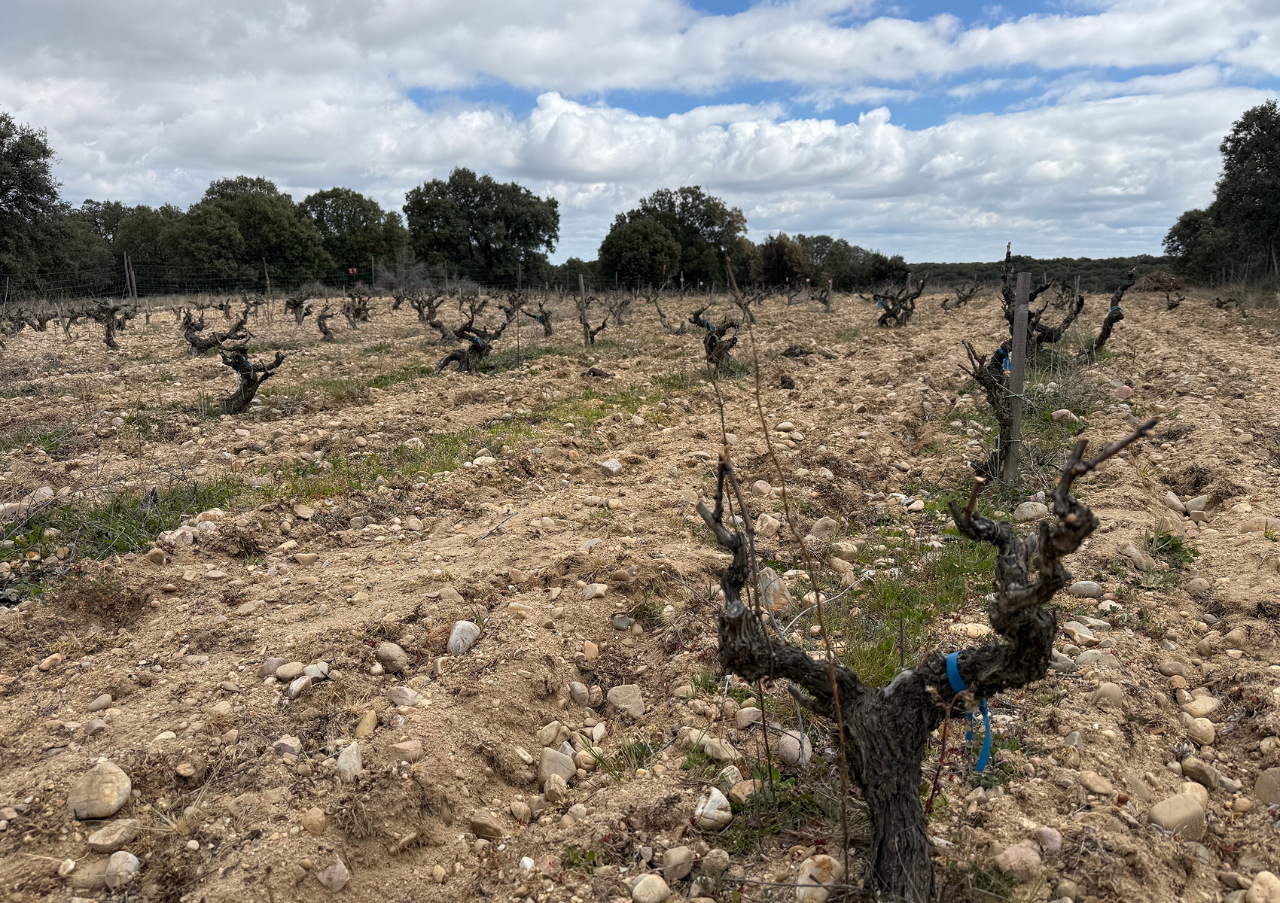
Pre-phylloxera La Roza vineyard of Dominio de Atauta (DO Ribera del Duero) located at 965 m (Source: Rick Fisher)
Rioja
Although Rioja is often associated with the Ebro Valley, many of its best vineyards occupy elevated slopes beneath the Sierra de Cantabria (Sierra de Toloño) and Sierra de la Demanda. Vineyards range from roughly 300 to around 900 m (984 to 2,953 ft), with the highest sites becoming increasingly important as growers adapt to warmer growing seasons.
Elevation is particularly influential in Rioja Alta and Rioja Alavesa, where cooler conditions extend ripening and preserve natural acidity. Protected by the surrounding mountains and supported by diverse limestone and clay soils, these vineyards produce Tempranillo distinguished by aromatic complexity, refined tannins and moderate alcohol, helping preserve the elegance and aging potential for which Rioja is celebrated.
Several wines illustrate this move upslope. Ramón Bilbao Viñedos de Altura is sourced from estate vineyards above approximately 700 m (2,297 ft); Baigorri Garnacha Tinta comes from old vines at around 700 m (2,297 ft); and Ontañón Reserva includes fruit from La Pasada in the Sierra de Yerga (Rioja Oriental) at approximately 800 m (2,625 ft). These sites show how elevation is being used across Rioja to retain brightness and aromatics without sacrificing ripeness or structure.
Sierra de Gredos
Southwest of Madrid, the Sierra de Gredos has emerged as one of Spain's leading mountain wine regions (Mountain Wines: Exploring the Garnachas of Sierra de Gredos). Vineyards are commonly planted between 600 and 1,200 m (1,969 and 3,937 ft) on steep granite slopes where poor, sandy soils naturally limit vine vigor. The combination of elevation and decomposed granite creates ideal conditions for producing fresh, elegant wines.
Unlike the richer styles associated with warmer Garnacha-producing regions, Garnacha Tinta from Gredos is defined by perfume and energy. Old bush vines, many more than 80 years old, produce wines with red fruit, floral aromas, subtle herbal notes and vibrant acidity, making Gredos one of Spain's finest sources of elegant, site-driven Garnacha Tinta.
The region’s leading growers demonstrate how high-elevation bush vines can produce some of Spain’s most sought-after Garnacha Tinta. Comando G’s Rumbo al Norte comes from vines planted at approximately 1,150 m (3,773 ft); Las Uvas de la Ira, now produced under the Vitícola Mentridana project from vineyards formerly tended by Dani Landi, draws on parcels at elevations of 850 m and above (2,789+ ft); and Bodega Marañones’ Peña Caballera comes from a north-facing parcel at 850 m (2,789 ft). With their pale color, lifted aromatics and defined structure, these wines demonstrate that old-vine Garnacha Tinta can convey mountain freshness as clearly as Mediterranean warmth.
Calatayud and Campo de Borja
The rugged landscapes of Aragón contain some of Spain's highest Garnacha vineyards. Calatayud’s vineyards commonly rise from roughly 550 m to more than 1,000 m (1,804–3,281 ft), while Campo de Borja extends from approximately 350 to 900 m (1,148–2,953 ft), with its highest vineyards clustered on the foothills of the Moncayo massif. These substantial differences in elevation help explain the range of Garnacha styles found across the two appellations.
Old bush vines growing on rocky, low-fertility soils produce naturally low yields and concentrated fruit, while elevation moderates the warm, dry climate and helps preserve freshness. The resulting wines typically display bright red fruit with lively acidity, providing a more restrained expression of Garnacha than those produced at lower elevations.
In Calatayud, representative bottlings include Bodega San Gregorio’s Loma Gorda, made from old, dry-farmed vineyards within holdings that rise from above 600 m to approximately 1,000 m (1,969–3,281 ft); Bodegas Ateca’s Atteca Armas, associated with old Garnacha Tinta on the appellation’s higher slate slopes, broadly around 700–1,000 m (2,297–3,281 ft); and Bodegas Breca’s Breca, from old mountain vineyards located at approximately 1,000 m (3,281 ft).
Campo de Borja offers a complementary set of examples: Borsao Tres Picos, from mountain vineyards at 600–700 m (1,969–2,297 ft); Alto Moncayo Veraton, from Garnacha sites ranging from approximately 550 m in Borja to 850 m in Tabuenca (1,804–2,789 ft); and Bodegas Aragonesas Coto de Hayas Garnacha Centenaria, associated with the producer’s higher Moncayo foothill vineyards reaching roughly 700 m (2,297 ft). Together, these wines reveal the significant variation hidden within Aragón’s elevated, arid landscape.
Bierzo
Moving northwest, Bierzo offers a different expression of elevation. Although influenced by the Atlantic Ocean, many of its vineyards occupy elevated slopes between 450 and 1,000 m (1,476 and 3,281 ft). The surrounding mountains create a series of mesoclimates where exposure, elevation and soils vary considerably over relatively short distances.
Mencía is the region's signature variety, thriving under these conditions to produce wines that combine ripe red fruit, floral aromatics, lively acidity and moderate alcohol. Granitic and slate soils contribute additional complexity and help shape the mineral character associated with many of the region's finest wines.
Among the producers working at elevation, Mengoba’s Mencía de Espanillo comes from approximately 80-year-old vines at 700 m (2,297 ft). Luna Beberide’s Godello is sourced from south-facing vineyards between 600 and 750 m (1,969–2,461 ft), while Bodega del Abad’s Laderas del Norte comes from old Mencía vines at 550 m (1,804 ft) in Valtuille de Arriba. At the upper extreme, Raúl Pérez’s La Muria comes from a small Mencía parcel near Viariz at approximately 1,050 m (3,445 ft). Together, these wines show how Bierzo’s cooler upland sites can preserve floral character, bright fruit and natural freshness in both red and white varieties.
Ribeira Sacra
Further west,RibeiraSacra presents one of Spain's most distinctive mountain vineyard landscapes. Vineyards are commonly planted on steep terraces overlooking the Sil and Miño river valleys, typically between 400 and 500 m (1,312 to 1,640 ft), although individual sites may be considerably higher or lower depending on their location and exposure. Although not among Spain's highest vineyards, the combination of elevation, steep slopes and Atlantic influence creates a unique growing environment.
Here, Mencía takes on a similarly vibrant but often more delicate expression, shaped by the region's dramatic topography and varied exposures. Slate, granite and schist soils add further complexity, while the steep terrain requires much of the vineyard work to be carried out by hand. Together, these factors produce wines noted for their freshness, elegance and layered aromatics.
Producer examples help show the range within these river canyons. Dominio do Bibei’s Lalama draws on multiple parcels across the Bibei Valley between approximately 300 and 700 m (984–2,297 ft); Fedellos do Couto’s Lomba dos Ares comes from old, steep vineyards at approximately 450–650 m (1,476–2,133 ft); and Algueira’s Dolio draws on extremely steep terraces between approximately 200 and 600 m (656–1,969 ft). Together, these wines demonstrate how elevation must be considered alongside slope, orientation and proximity to the rivers.
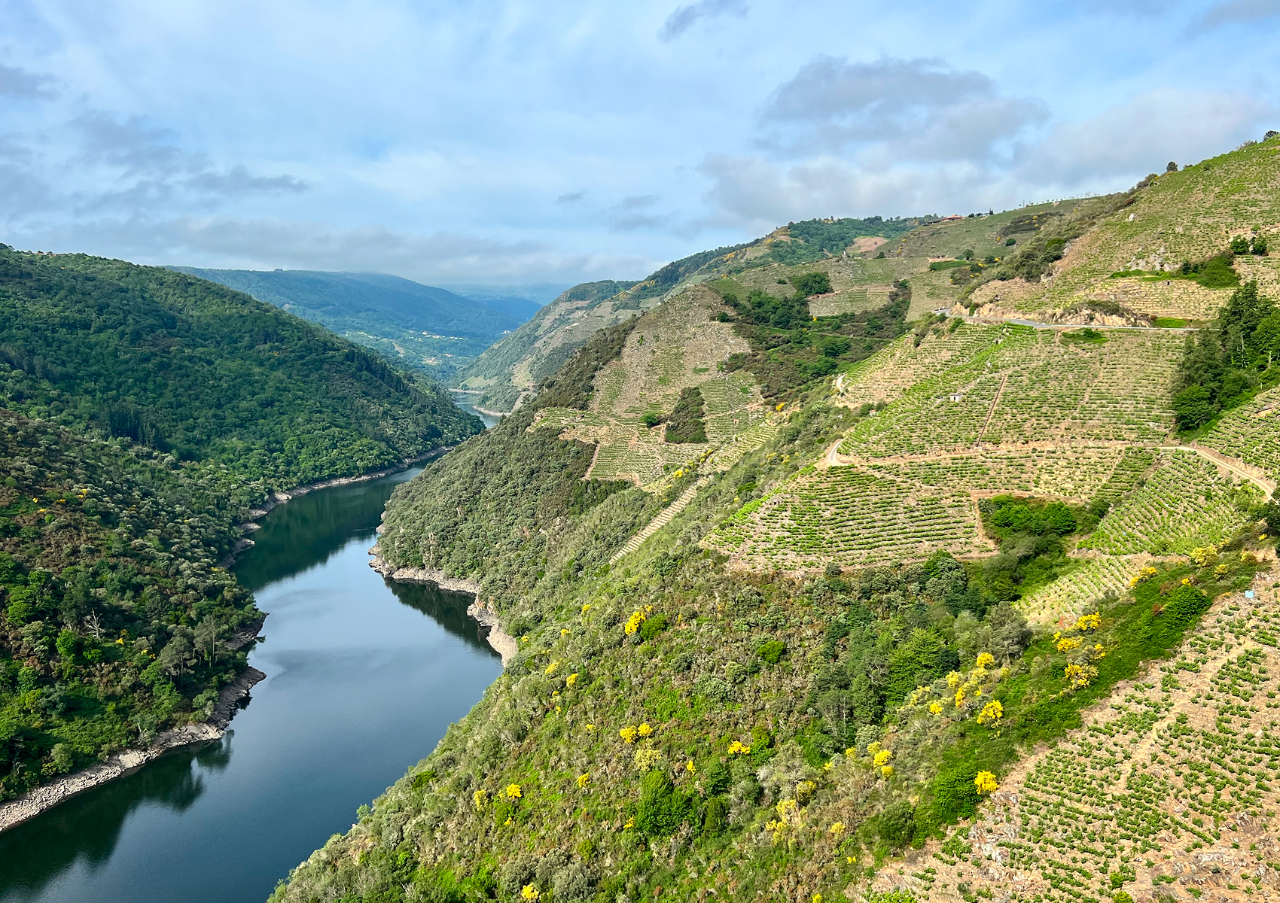
Terraced vineyards along the Sil River in DO Ribeira Sacra (Source: Rick Fisher)
Priorat
Although Priorat is celebrated for producing powerful wines, elevation plays an important role in shaping many of its finest vineyard sites. Vineyards extend from around 100 to more than 750 m (328 to 2,461 ft), with numerous exceptional parcels occupying terraces on the upper slopes.
The region's famous llicorella soils, composed of fractured slate and quartz-rich material, are naturally poor and well drained. Combined with elevation, they temper the warm Mediterranean climate, allowing Garnacha Tinta and Cariñena (locally known as Samsó) to retain freshness while developing notable concentration and structure. The result is a range of wines that combine depth and intensity with balance and elegance.
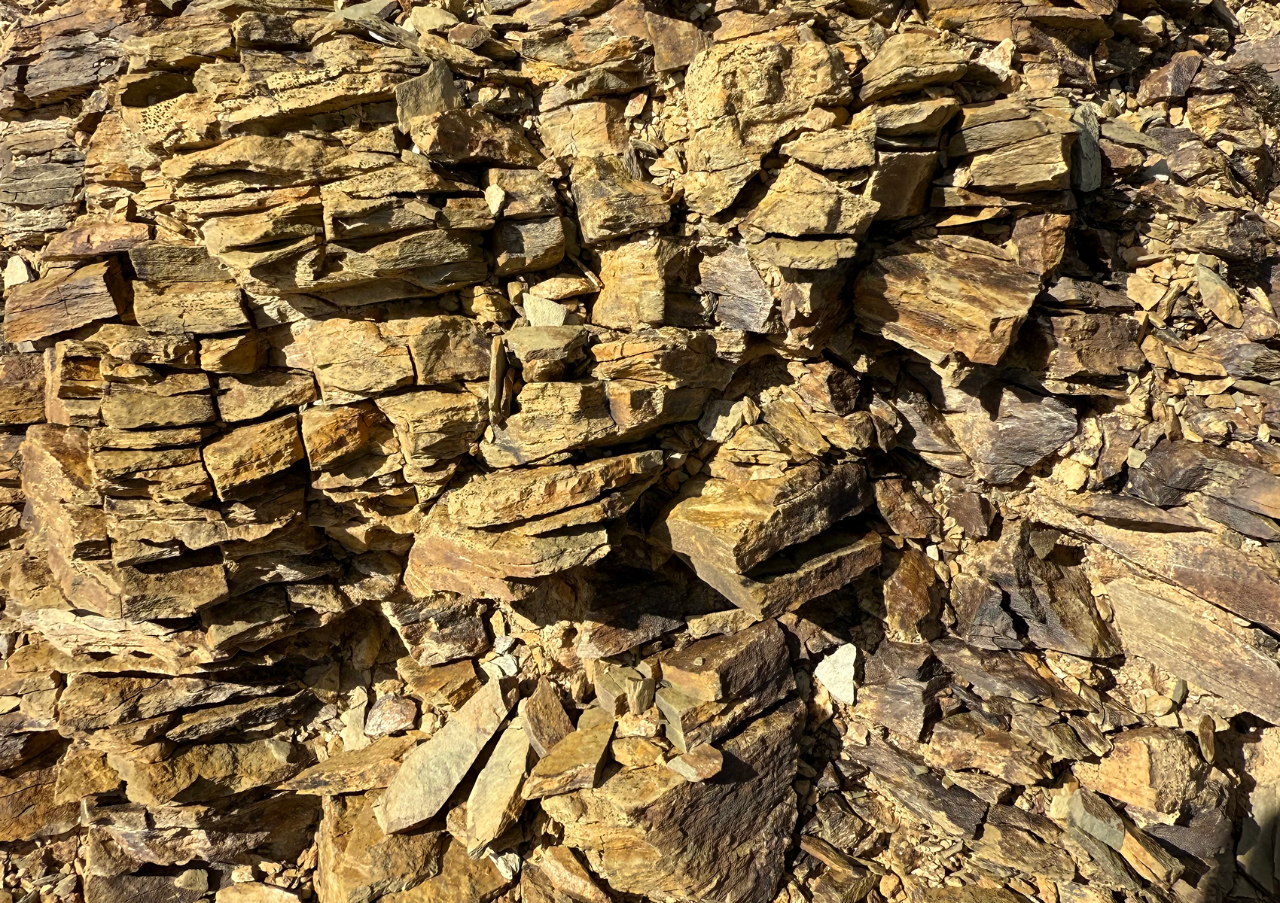
Llicorella soil in DOQ Priorat (Source: Rick Fisher)
At the region’s cooler upper limits, Terroir al Límit’s Les Manyes is produced from Garnacha Peluda at approximately 800 m (2,625 ft). Marco Abella’s Mas Mallola comes from the La Mallola vineyard in Porrera, which reaches approximately 750 m (2,461 ft), while Álvaro Palacios’s Les Terrasses draws on old-vine parcels across seven Priorat municipalities between approximately 350 and 640 m (1,148–2,100 ft). These bottlings demonstrate how higher exposures can give Priorat’s naturally concentrated wines additional lift, tension and aromatic clarity.
The Canary Islands
The Canary Islands represent Spain's most distinctive high-elevation wine landscape. Here, elevation combines with volcanic soils, maritime influences and abundant sunshine to produce wines unlike those found anywhere else in the country. Tenerife—specifically, DO Abona—contains the archipelago’s highest officially documented vineyards, with registered parcels reaching approximately 1,689–1,700 m (5,541–5,577 ft) on the slopes of Mt. Teide, Spain’s highest mountain. Cool nights, intense sunlight and constant Atlantic breezes create an extraordinary range of mesoclimates across the island's volcanic slopes.
Gran Canaria, La Palma and El Hierro also contain important high-elevation vineyards, many planted with indigenous grape varieties growing on their own roots. Together, elevation, volcanic soils and maritime influences produce wines distinguished by vibrant acidity, striking aromatics and distinctive mineral character. Although the Canary Islands differ markedly from mainland Spain, they demonstrate how elevation can shape wines of remarkable individuality under a wide range of growing conditions.
The archipelago offers striking individual examples. On Tenerife, Bodega Piedra Fluida’s Frontones comes from Listán Blanco grown in the Los Frontones vineyard, which reaches 1,687 m (5,535 ft), while Altos de Tr3vejos’ Espumoso Blanco Brut Nature is produced from Listán Blanco grown at 1,240 m (4,068 ft). Envínate’s Benje is sourced from parcels around Santiago del Teide at approximately 1,000 m (3,281 ft). On Gran Canaria, Tamerán Malvasía Volcánica comes from ungrafted vines at approximately 600–700 m (1,969–2,297 ft). Together, these wines illustrate the archipelago’s tremendous vertical range and the varied expressions that emerge as elevation intersects with volcanic geology, exposure and Atlantic influence.
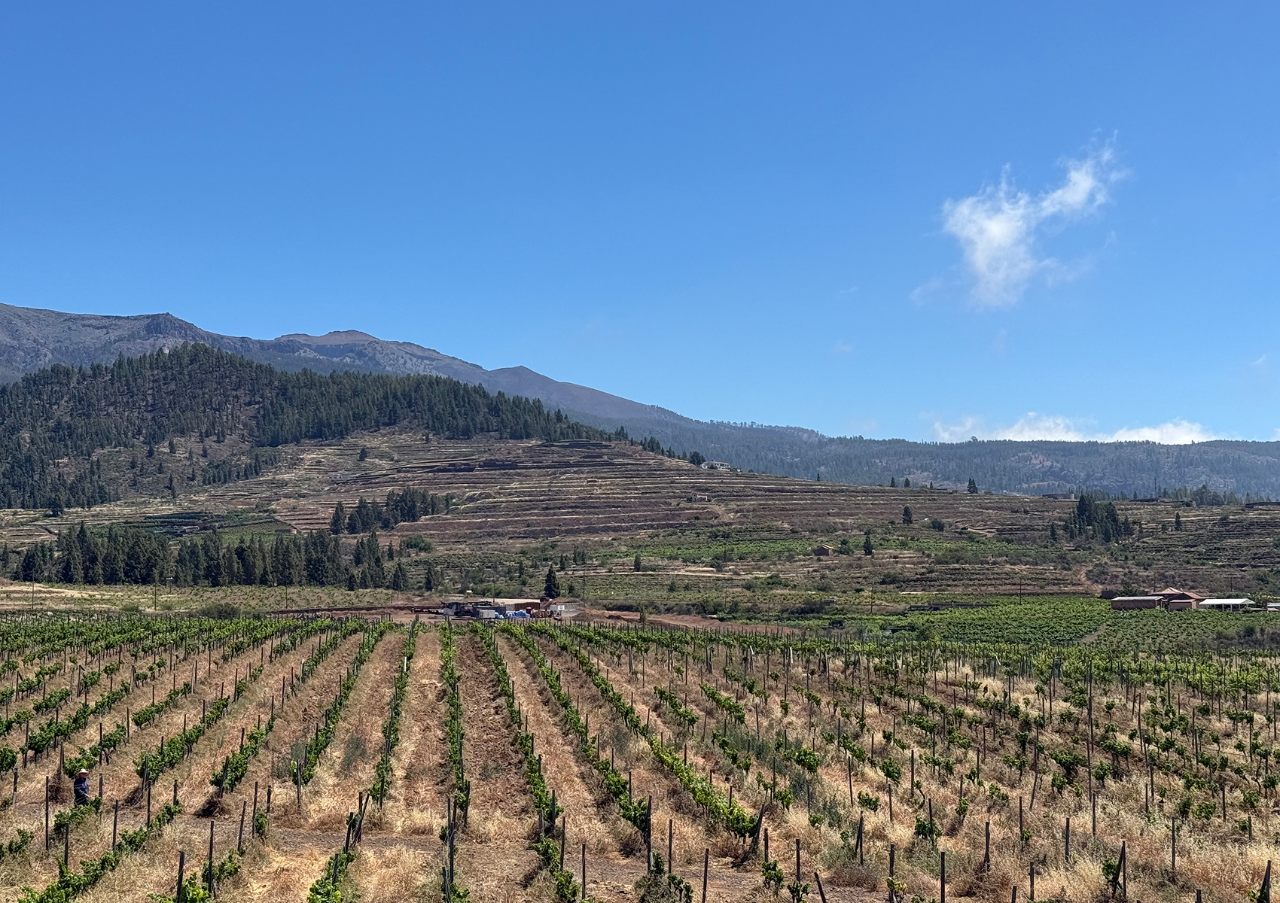
Vineyards of Bodegas Altos de Tr3vejos located at approximately 1,300 m (Source: Rick Fisher)
Elevation, Soils and Geology: An Interconnected Relationship
Elevation establishes a climatic framework, but soils and geology influence water availability, vine vigor, rooting and the character of the finished wine.
Well-drained, low-fertility soils limit vigor and encourage deeper rooting, often leading to lower yields and more concentrated fruit.
Across Spain, the relationship between elevation and geology takes many forms. Limestone, marl and clay contribute to the structure and longevity of wines from Ribera del Duero, while the decomposed granite of the Sierra de Gredos produces Garnacha Tinta noted for its finesse and aromatic purity. In Priorat, llicorella soils help moderate vine growth and contribute to wines with concentration and structure, while the volcanic soils of the Canary Islands combine with elevation and maritime influences to produce wines distinguished by vibrant acidity, distinctive aromatics and mineral character.
Heroic Viticulture
In Spain, elevation often goes hand in hand with another defining condition: heroic viticulture. CERVIM (Centre for Research, Environmental Sustainability and Advancement of Mountain Viticulture) uses the term for vineyards situated above 500 m (1,640 ft), planted on slopes exceeding 30 percent, cultivated on terraces or located on small islands—conditions that make mechanization difficult or impossible.
Several Spanish wine regions meet one or more of these criteria, including Priorat, Ribeira Sacra and Cangas in Asturias. Many vineyards in the Canary Islands also exemplify heroic viticulture through their steep volcanic terrain and the physical challenges involved in farming it.
Pruning, canopy management and harvesting therefore remain largely manual. This labor-intensive work raises production costs but also helps preserve historic vineyards, traditional varieties and local knowledge. The economic challenge is considerable: small parcels and low yields rarely offer the efficiencies of flatter, mechanized sites, even when the resulting wines possess exceptional character.
Elevation and the Future of Spanish Wine
As growing seasons warm, earlier harvests, faster sugar accumulation and declining acidity are making vineyard elevation increasingly important (Spain’s 2023 Vintage).
Spain’s extensive upland vineyards offer cooler conditions and wider diurnal ranges, although height alone cannot offset drought, unpredictable rainfall or heatwaves. It remains one valuable tool for preserving freshness and regional character, particularly when combined with careful soil management, drought-conscious farming and varieties already adapted to local conditions.
Elevation: Spain’s Enduring Advantage
High-elevation viticulture is one of the defining characteristics of Spanish wine. From the limestone plateaus of Ribera del Duero and the granite slopes of the Sierra de Gredos to the slate terraces of Priorat and the volcanic vineyards of the Canary Islands, elevation shapes wine styles across an extraordinary diversity of climates and landscapes. Its influence extends beyond the height of individual vineyards, interacting with climate, soils, geology and topography to moderate temperatures, widen diurnal temperature variation and slow ripening. Together, these factors help preserve freshness while allowing grapes to achieve full flavor and phenolic maturity.
As producers continue to adapt to a changing climate, Spain’s elevated vineyards will remain among the country’s greatest viticultural assets. They help preserve balance, maintain regional identity and support an exceptional diversity of wine styles. Across Spain, elevation combines with geography and centuries of viticultural experience to produce wines of distinctive character, enduring quality and a deep sense of place.