by Anna Harris-Noble
.png.transform/rendition-xs/image_image%20(1).png "Feder")

by Anna Harris-Noble
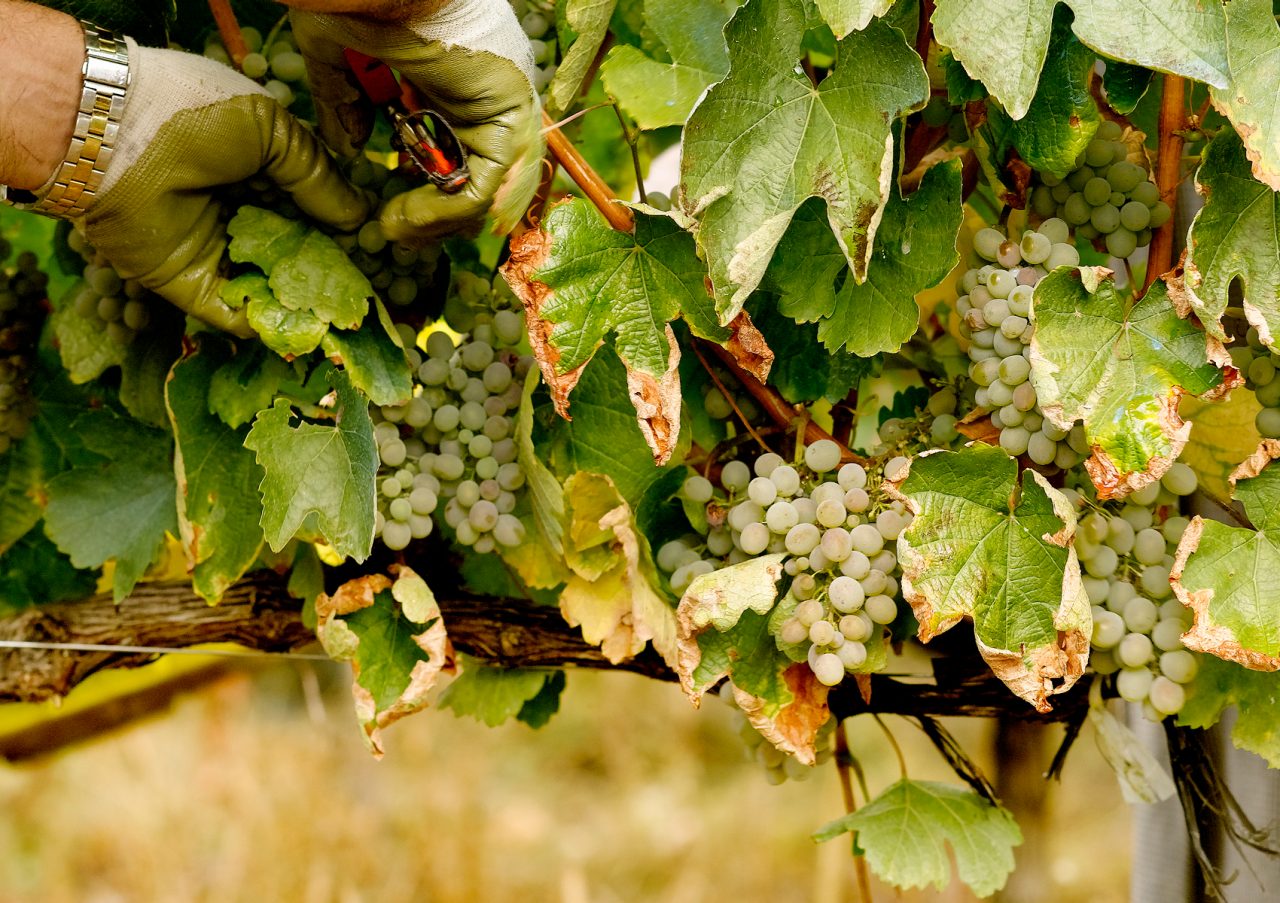
With the grapes from Spain's 2025 vintage now being prepared for bottling or ageing in barrels, the quality of the wines from the latest vintage has been almost unanimously declared as "exceptional."
Josep Sabarich, Chief Winemaker at Familia Torres, summarises the company's experience across Spain: "2025 is an excellent vintage. When compared to previous years, especially 2024 and 2023, it stands out as superior across all appellations of origin, and the overall quality of this vintage is exceptional.
The main factors influencing this year’s harvest were the rainfall, which returned, especially in the Mediterranean basin after several years of severe drought, helping vineyards recover; mildew pressure after the spring rains, affecting regions such as Rueda, Ribera del Duero, Rioja, and Catalonia, which we managed to control; and heat waves in June and August, especially in central Spain, which caused a reduction in yields but did not compromise quality."
It is worth noting that, according to the Spanish meteorological agency AEMET, 2025 featured both the third wettest March on record - helping to replenish water reserves but causing outbreaks of mildew - and the hottest summer ever, leading to reductions in yields. In fact, the vintage is expected to be declared the second smallest of the 21st century, second only to that of 2023.
However, due to the low number of grapes produced per hectare, the quality was excellent, with winemakers across Spain's diverse wine regions highlighting the intensity of aromas and fruit flavours in the wines.
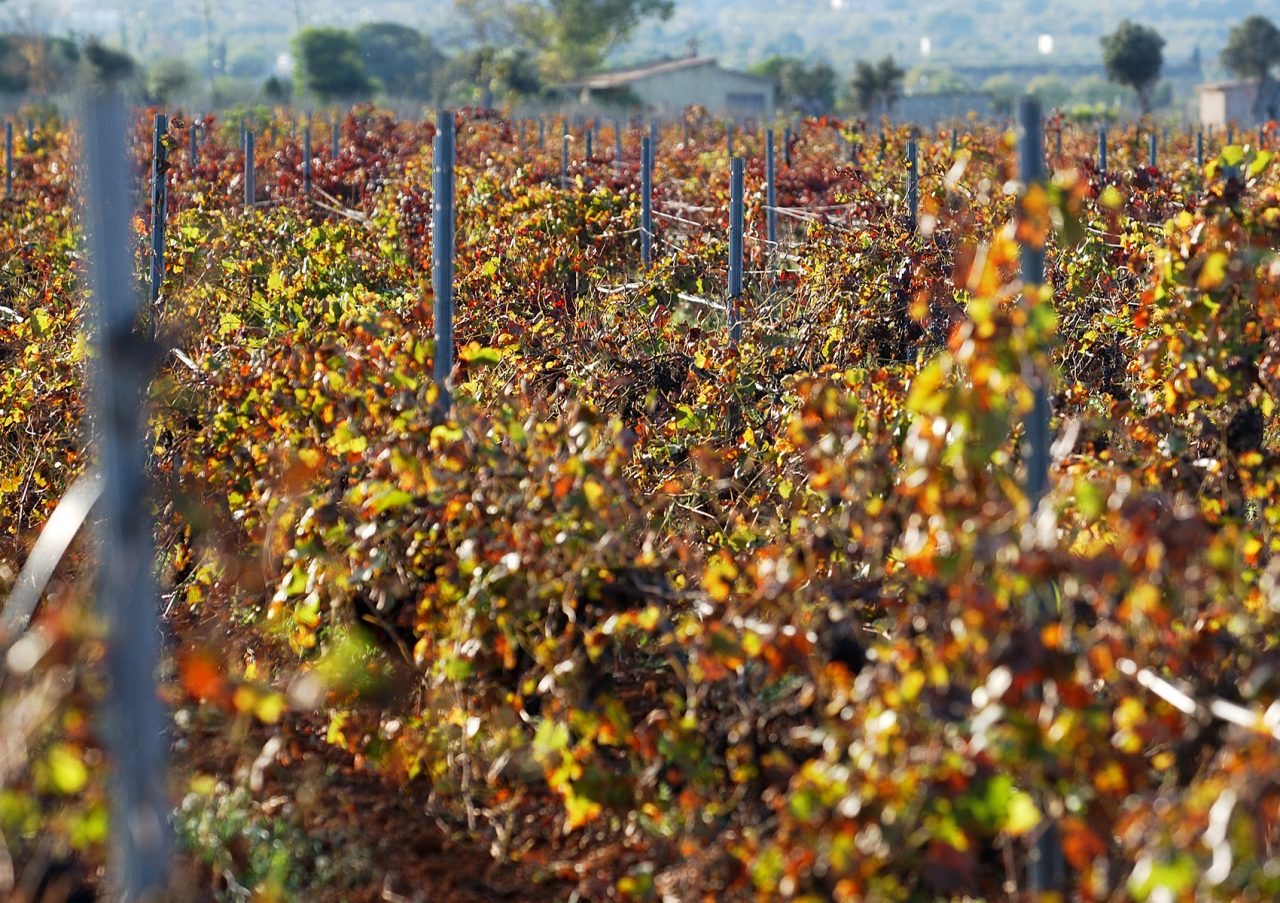
Galicia had a very successful harvest with a total of 76 million kilos of grapes collected across the five designations of origin, the third largest vintage in history.
DO Rias Baixas and Monterrei saw their largest crops ever, with winemaker Chema Ureta of Bodegas Santiago Ruiz in DO Rias Baixas commenting that the harvest was abundant in terms of both quantity and quality, with very healthy grapes: "The summer was very dry - with hardly any rain at all after May - and with high temperatures, above 28ºC for many days in a row. The vines endured these conditions perfectly, thanks to the rains of previous years and over the winter, which ensured good water reserves for the summer months."
The technical director of the DO Rías Baixas, Agustín Lago, highlighted “The healthy condition and good level of ripeness of the grapes, as well as their great quality."
Further inland, production was not as high as on the coast, but Carlos Alberte, Viticultural Director at Viña Costeira described 2025 as a "year to remember in the DO Ribeiro."
"The grapes were of excellent quality, very healthy, and the harvesting took place gradually, over a long period. The wines are starting to take shape and look to be very high in quality with a distinctive character: fresh, with a good level of acidity, as well as more body and volume. They have a long ageing potential. In terms of quantity, due to the weather conditions that led to fungal diseases in spring and the lack of rainfall and high summer temperatures leading to low berry weights, around 8.1m kg were harvested in 2025, compared to 11m kg in 2024."
Due to the extreme heat, there were losses due to outbreaks of wild fires, as Nacho Léon from Bodegas Demencia in DO Bierzo explains: "The 2025 vintage was quite a strange one. Although the start of summer was not very hot, the drought caused terrible wildfires in neighbouring Valdeorras, which filled the sky with smoke and ash and reached some of the mountain areas of our beloved Bierzo. The famed vineyard known as Las Médulas was affected by these devastating fires.
Despite the drought, the grapes ripened well, and the old vines in particular adapted successfully to the long period without rain. The resulting wines offer moderate depth of colour and structure, with more floral than fruity notes, and notable length, albeit with a certain lightness of touch."
Despite the aforementioned challenges, Bierzo was one of the few regions that saw a larger harvest than last year, with the DO Bierzo reporting an increase of 34% compared to 2024 and "excellent quality."
Another area which saw a bumper harvest was DO Ribera del Duero. A total of 129.5 million kilos were picked, mainly by hand, making it the second largest vintage of the decade. Despite being a hot year overall, the weather during the final period of the cycle allowed grapes to ripen slowly and gradually, and according to the DO, the wines are expected to be deeply coloured with "depth, freshness and elegance: ideal for long-ageing and with a profile similar to that of the exceptional 2024 vintage."
Alvaro Izquierdo, Technical Director of Bodegas Viña Mayor, said of the abundant harvest that it was due to "the old vines once again demonstrating their unique capacity to adapt and self-regulate. A feature that is especially important in a year marked by heavy rainfall during the winter and spring."
Neighbouring regions didn't have quite such large crops, although the DO Toro's harvest of 19.7 million kilos was only slightly down on last year's, DO Rueda harvested 12.6% fewer grapes than in 2024 due to the effects of mildew. The DO Rueda commented that despite the lower production, "the slow and homogeneous ripening had led to grapes with an excellent level of alcohol, balanced acidity and intense varietal aromas particularly in the region's star Verdejo grape."
To the west, DO Sierra de Salamanca, one of Spain's smallest Designations of Origin, harvested 190,000 kilos of grapes, over 57% of which were of the native Rufete variety. The technical director of the DO, Miquel Udina commented that due to the cool September temperatures and the wide variety of planting elevations, “the harvest could take place in a steady, staggered way. The grapes are very high in quality and we expect them to make fresh, aromatic and well-balanced wines”.
With the DOCa Rioja celebrating its centenary in 2025, the region was hoping for a memorable vintage, and it seems they were not disappointed, with Alejandra Rubio Gil, Technical Director of the Rioja Regulatory Council reporting "very healthy grapes, with excellent balance and levels of phenolic ripeness." She went on to say, “It’s been a small harvest in terms of volume, but long in its development. Growers and wineries could take advantage of favourable weather over the autumn months to choose their ideal picking date without having to rush."
In San Vicente de la Sonsierra in the Rioja Alta, Rafa Usoz of Bodegas Sonsierra echoed this by saying harvesting dates were around the same as in 2024, but this vintage stands out for the low quantity of grapes: "Last year's Rioja harvest was historically small and I think 2025 will be of a similar size. The quality however, looks excellent, with cool nights and warm, sunny days throughout September helping to complete the ripening cycle and develop colour and aroma precursors."
Bodegas LAN's Technical Director, María Barúa, explained that the low quantity of grapes was due to hot weather over summer leading to a water deficit, despite the fact that there was abundant rainfall in winter and spring. She explained that this "has led to loose, not very compact bunches of small berries, so we will have an excellent must-to-skin ratio, allowing us to obtain very aromatic and deeply-coloured wines."
Neighbouring DO Campo de Borja also reported that the vintage was of "excellent quality but very low in quantity", with only 20 million kilos harvested, a third smaller than the average of the last ten years. The Regulatory Council reported that this low yield was due to "low rainfall, as well as its uneven distribution throughout the year." August saw a heatwave with temperatures as high as 40ºC during the day and 20ºC at night.
Meanwhile, DO Calatayud saw a slightly larger harvest than in 2024 - 7 million kilos compared to 6.5 million - with the DO secretary Javier Lázaro describing the quality as "exceptional" and "perhaps the best vintage of the last ten years."
Fernando Mora MW, who is based in VT Valdejalón but works across several areas of Aragón echoed these comments: "In general, it was a very satisfactory vintage. There was quite a lot of rain in winter and spring, the cycle started well with good fruit set. August saw a heatwave that speeded up ripening and we started to get a bit worried, particularly about lower lying vineyards that suffered more from the heat. However, just after we started harvesting, we had several days of rain that helped the grapes achieve their final balance. Having carefully hand-selected only the very best grapes, we expect the wines to be fantastic."
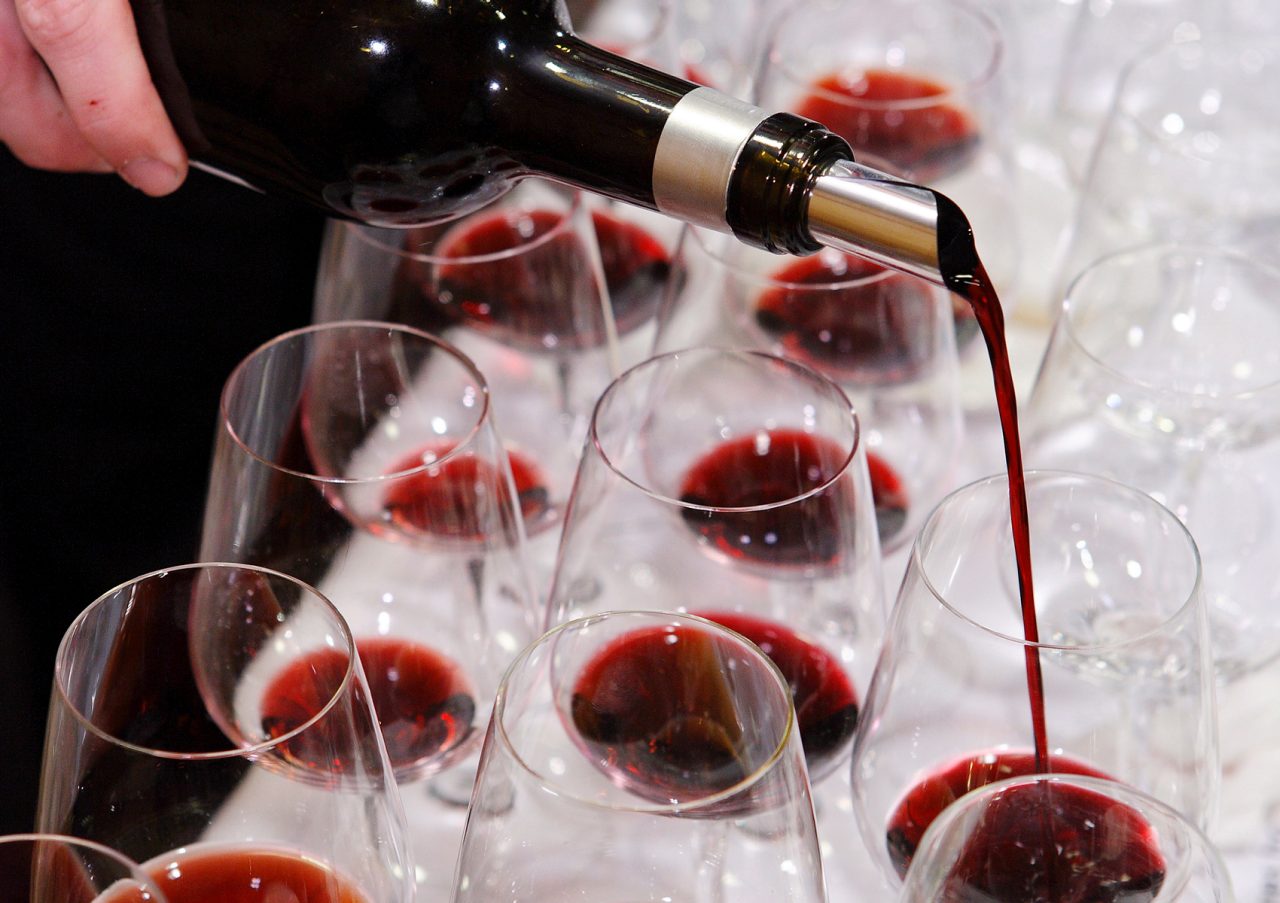
The Catalan Institute of Vine and Wine (INCAVI), which represents the Catalan wine industry, described 2025 as a "vintage of transition towards normality" as the volume of grapes has shown a clear recovery compared to recent harvests that were marked by very severe drought. Although not yet back to historic figures, white grapes fared well with the volumes entering wineries around 38% higher than 2024 figures.
The Covides cooperative, which produces DO Cava sparkling and DO Penedès still wines, commented that, aside from yields being significantly higher than in previous vintages, thanks to the recovery of the canopy, the grapes were very healthy and of high quality, noting: "Slightly above-average sugar levels in the Macabeo and Xarel·lo varieties and suitable acidity/pH, which has resulted in excellent base wines for Cava."
The president of the DO Cava, Javier Pagés, underlined "the commitment to sustainability, traceability, and quality in the DO Cava", highlighting that all Cavas de Guarda Superior are 100% organic from this, the 2025 vintage.
To the south, DO Jumilla also reported that high quality, well-balanced wines are expected with "good body, structure and flavour intensity," as well as a slight increase in the size of the harvest, with 49 million kilos of grapes, of which the majority, 28 million, were of the Monastrell variety. This was 1 million kg more than in 2024. However, it is worth noting that 2024 was the smallest harvest on record for the DO Jumilla due to four years of continued drought.
Despite rainfall in spring, particularly March, offering some respite, around 4,700 hectares of vineyards in the south-east were hit by hailstorms in May. In August, the temperature rose above 40 °C for several consecutive days.
David Ferraje from Bodegas Carchelo in DO Jumilla spoke of some of the challenges: "The start of the 2025 season was very damp, March and April saw around 140 litres of precipitation, the same amount of rainfall as for the whole of 2024, so we were hopeful for a great harvest. But then we lost about 30% of our production to hailstorms. Summer heat also brought the vintage forward by about 20 days compared to the usual dates. "
Elena Pacheco, the owner of Bodegas Viña Elena, with vineyards such as Paraje Marín among the most southerly in the region, commented that this was, "A cycle that reminded us once again that our presence in the vineyards is essential, as we need to make constant observations and act quickly." Thanks to this, she explained that "the grapes arrived at the winery in an excellent condition: healthy, fully ripe and with a good level of concentration."
From the north of the region, Eloy Sánchez of the Santiago Apóstol Cooperative in Montealegre del Castillo commented that: “The wines from this vintage are going to be fruity, well-structured with flavour and intensity. Concentrated wines, that reflect the character of the summer that we had."
The Castilla - La Mancha area as a whole is responsible for over 50% of Spain's must and wine production, so the reduction in yields seen this year will have a considerable effect on the overall size of Spain's harvest.
In terms of specific details, the DO La Mancha reported a 20% decline in volumes compared to 2024, but the quality is said to be "excellent" as grapes are more concentrated in terms of flavour, and very healthy, with no signs of rot or other diseases.
Maite Sánchez, winemaker at the Arrayán winery in DO Méntrida in the province of Toledo commented: "This year was marked by a very wet spring, which was great for the plant but did have a negative effect on fruit-set and encouraged mildew. It is also worth highlighting the longer heatwave we had over two weeks in August, which caused the problem of wildfires, some of which were quite close to this area. This year we started harvesting on the 6th of August with the white Albillo Real grapes in Almorox (Toledo) and we finished on the 22nd September with Petit Verdot in Santa Cruz de Retamar (Toledo). It was a late harvest for our area, and production was down by 20%. As for quality, wines from this vintage will be concentrated and well-balanced."
Further north, the DO Cebreros remarked that the region was fortunate compared to other areas, as there were very few outbreaks of mildew and oidium, and only one small hailstorm that affected two villages on the 1st of August. Very heavy spring rainfall - over 1,000mm in some areas - contrasted with a very dry summer, but the plants were able to cope well due to the reserves of water built up in spring, and the harvest of 800,000 kilos, of which 53,000 were Albillo Real and the rest mainly Garnacha, was larger than initially anticipated.
Production fell by around 50% across Andalusia.
In the DO Jerez, the final figure of 34.5 million kilos was just over half of what was harvested in 2024. Grape yields were hit by widespread mildew and intense spells of heat, with 45.8°C registered in Jerez de la Frontera on the 17th of August.
Manolo García, the manager of Viña Obregón, in the Pago Corchelo in DO Jerez-Xeres-Sherry, which supplies Bodegas Cayetano del Pino, commented at the start of the harvest in August that despite these issues, the harvest looked to be very good in quality. "I was concerned that the harvest would be severely reduced due to the heat, but now that we've started picking, things are looking much more positive.The quality is very good, with quite high alcohol levels of 11 to 11.5° compared to last year." He also explained that much of the picking took place at night to avoid the intense heat of the day.
DO Montilla-Moriles was also badly affected by mildew, with Antonio López of Bodegas El Monte claiming earlier in the summer that they expected to lose around 90% of the production in their vineyards. The final harvest figures for the DO were 19 million kilos, compared to 28.5 million kilos in 2024.
DO Islas Canarias – Canary Wines reported a final harvest of just over 1.3 million kilos of grapes. This represents an 18% reduction on previous years, reflecting the effects of accumulated hydric stress on the plants after seven years of drought.
Tenerife was the worst affected island, with Jorge Méndez of Viñátigo describing it as, "One of the most complicated harvests in the recent history of the Canary Islands as a whole, with very significant decreases in average yields per hectare (<2,000 kg/Ha). In Northern Tenerife, the situation was especially difficult due to a high incidence of downy mildew, particularly during flowering and fruit set, which caused direct losses of grape bunches and a marked decrease in the yield. This was compounded by highly irregular budding, resulting from a prolonged period of accumulated water stress after more than four years of continuous drought. Although production will be much lower this year, it is worth noting that viticulture in the Canary Islands is carried out entirely by hand, which represents a significant advantage in terms of grape selection and quality."
The harvest was further complicated by the discovery of phylloxera for the first time in Tenerife, specifically in abandoned plots in Tacoronte-Acentejo. Very strict control measures were put in place, which limited the movement of grapes between the islands. The good news is that no further cases have been detected since the 20th of November.
The DO Valle de Orotava highlighted that "Despite the reduction in production, and the difficulties derived from the high temperatures, the quality of the grapes harvested has been very satisfactory, thanks to the efforts made by vine growers and winery owners."