.png.transform/rendition-xs/image_image%20(1).png "Feder")
Jul 22 2026
Monastrell is Having a Moment
Monastrell wines are having a moment just now. If you have not tried this southern Spanish red grape variety yet, now’s the time. Hailed as “a taste of sunshine” and the wine of the future, we take a look at why Monastrell is getting a boost on the global wine scene.
Monastrell Making Waves
At a recent London Wine Fair, guest speaker Sarah Jane Evans MW described Monastrell wines as both versatile – pertaining to both ancient techniques and modern contemporary styles – and resilient to today’s viticulture needs. To Evans, Monastrell is the grape that will “survive the next century”, regarding ongoing concerns about climate change.
Meanwhile in Barcelona, sommelier Ferran Centelles spoke at BWW congress, revealing “The Monastrell Revolution”, with a presentation of Monastrell wines spanning three of the five DO that represent Monastrell in the Murcia and Alicante regions – Jumilla, Yecla and Bullas. His fresh perspective concludes that the resurgence of Monastrell is due to its blend of respect for ancestry, on this part of the Mediterranean, with new interpretations and the terroir.
Getting to Grips with the Grape
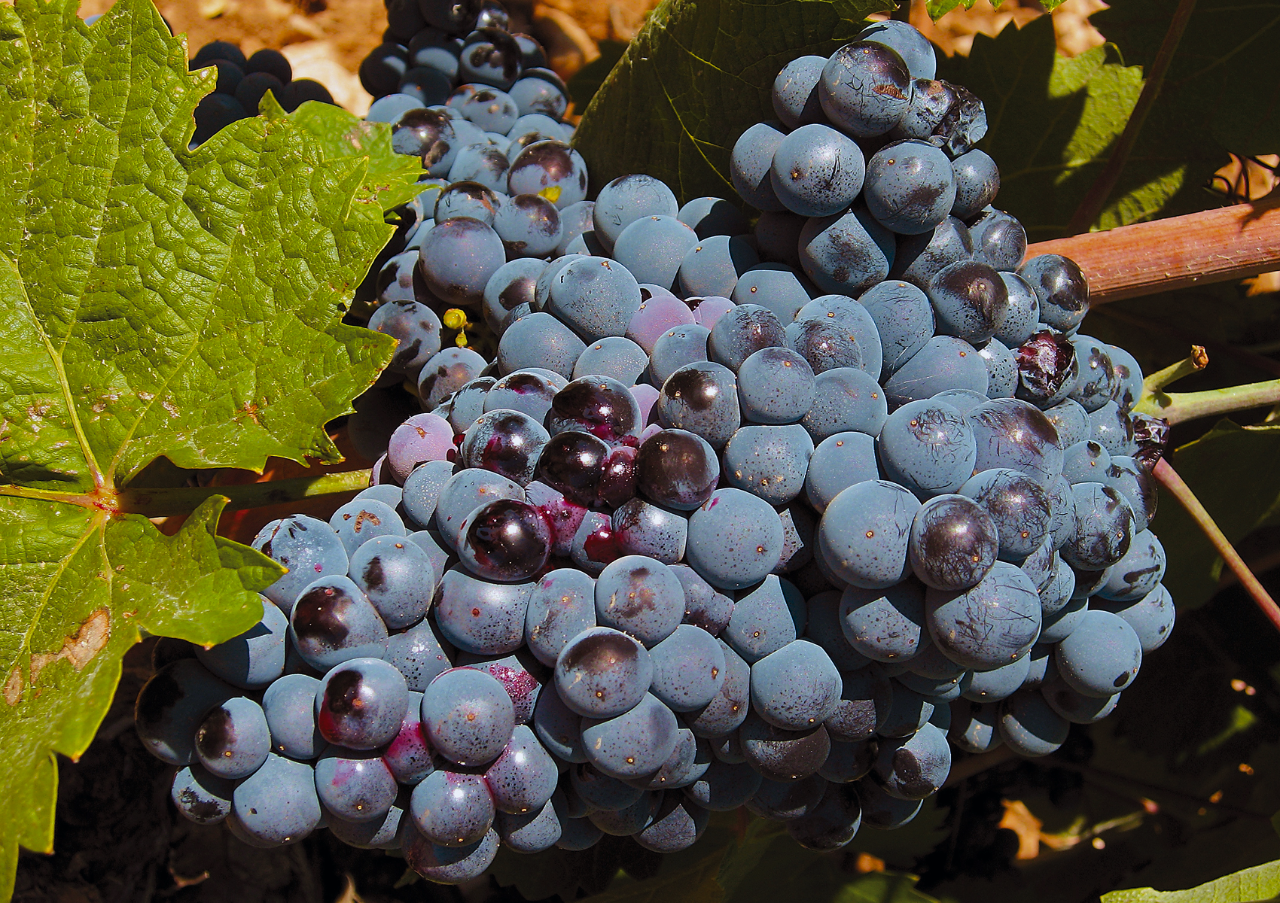
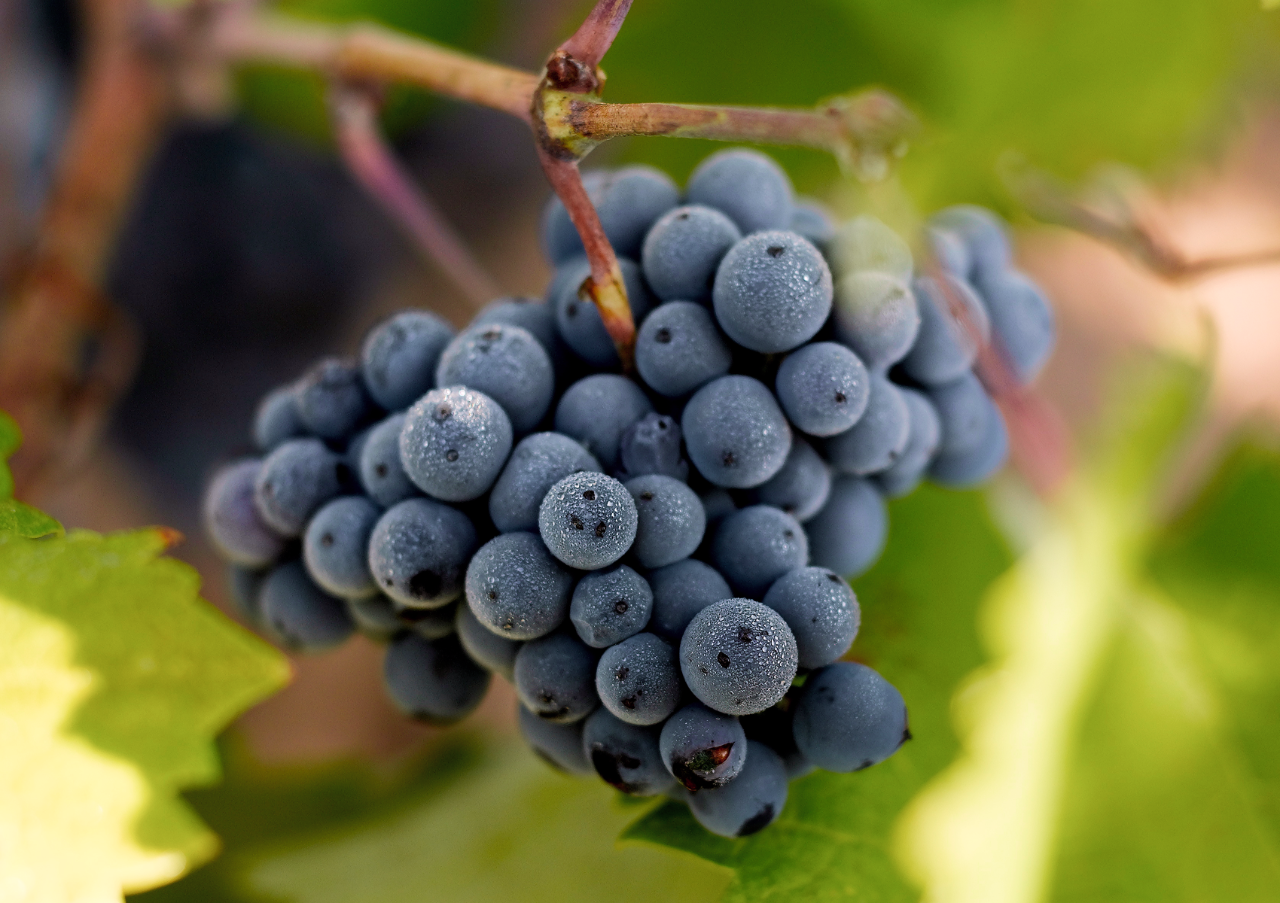
While these diverse terroirs produce their own unique wine profiles, the Monastrell grapes (known as Mourvedre and Mataro in other parts of the world) have defining characteristics. The grapes are small to medium in size, with thick, blue-black skins and a colorless flesh that produces a very sweet must. They are resistant to dry climates and wind, with a late ripening period and low yield. Also they have adapted well to the shallow, clay soils that retain water during hot summers, and the 3,000+ hours of sunshine helps to ripen their bold tannins.
The resulting red wines are color-rich, with jammy aromas of red and dark berries alongside notes of Mediterranean herbs and flowers, while the palate is balanced with smooth tannins and structure. Monastrell also produces fruity and full-bodied rosé wines, while its sweet wines are dark and dense with dried fruit flavor.
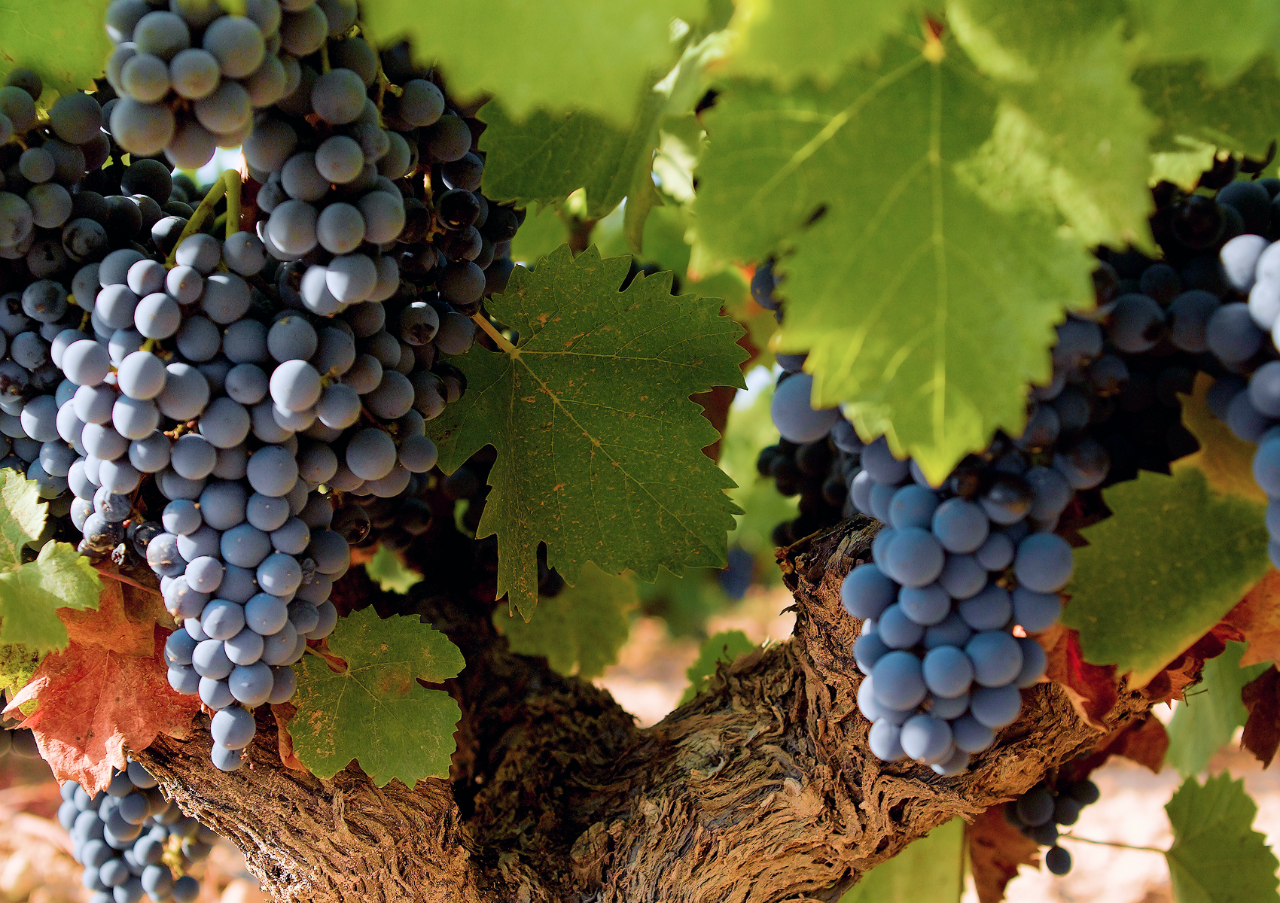
One of the most interesting historical points of the Monastrell grape is the fact that many vineyards still produce wines that are pie franco, meaning they have the original vine root instead of an American rootstock graft. This has occurred because the vines resisted the Phylloxera plague of the 19th Century, or because the aphid bugs could not survive in their sandy soils. Either way, the resulting pie franco gives the wine the most authentic expression and purity of its Monastrell grapes in Southeastern Spain, making it highly sought after. Wineries such as Bodegas Carchelo, De Nariz and Casa Castillo - the latter considered the benchmark in wines from Jumilla - excel in producing 100% Monasrell wines that are pie franco.
The 5 Star DO of Monastrell
DO Alicante
In the province of DO Alicante, of the Valencian community, Monastrell accounts for 60% of the vines planted here. Its poor calcareous, loamy and sandy soils and maritime climate with Levante winds, ensure humidity in both winter and summer. Their resulting fresh wines have plummy, cherry notes with herbs and forest floor nuances.
DO Almansa
Located on a high, limestone rich plateau in the province of Albacete, Castile-La Mancha, Monastrell occupies around 10% of the vineyards in DO Almansa. Its hot summers and cooler nights produce bold Monastrell wines with a balanced acidity, some hints of prune and pepper.
DO Bullas
This rugged terrain in the heart of Murcia is characterized by limestone valleys and harsh climate, from hot Mediterranean summers to rain storms and even snow on the high altitudes, which shape the wines of DO Bullas, of which 70% are Monastrell. They produce fresh and vibrant wines with minerality, jammy blackberry and licorice notes.
DO Yecla
DO Yecla, in the province of Murcia, is located on a high altitude area, transitioned between slopes and the Mediterranean. The soils are limestone, with some clay formations and sandy surfaces. The temperature varies widely, with cold winters and hot summers. Monastrell occupies 80% of this region, producing elegant wines that are bold and highly structured with lively tannins, and they can have hints of red or black fruit, with sweet and spicy undertones.
DOP Jumilla
Spanning Albacete (Castile-La Mancha) and Murcia, DOP Jumilla is the biggest of the five regions, producing 70% Monastrell - by far the biggest producer of Monastrell wines in Spain. Its climate is influenced by the proximity of the Mediterranean and the Castillan plateau - it is arid with low rainfall. The stony limestone soils of Jumilla produce dense, fruity wines full of blackberry, cherry and plum, with minerality and earthy notes like cocoa and herbs.
Monastrell, Past and Future
An old vine wine, Monastrell as an ancestral grape, dates back to around 500 BC in this part of the Spanish Mediterranean coastline. By keeping its origin story, its roots and its authenticity while committing to modern organic processes and experimental styles, Monastrell has become the fourth most important red grape varietal in Spain today. Thanks to its hardiness facing the rising temperatures, Monastrell can continue to produce quality wines that are intrinsically tied to their region. Many wine-makers across the different DO pertaining to Monastrell have joined the organic movement, with an ever-growing percentage of certified organic vineyards helping to create a sustainable future for the sunshine wine, Monastrell, in its Spanish homeland.