.png.transform/rendition-xs/image_image%20(1).png "Feder")
Jun 08 2026
Where There’s Smoke, There’s Fire! Spanish Volcanic Wines in Lanzarote and Tenerife
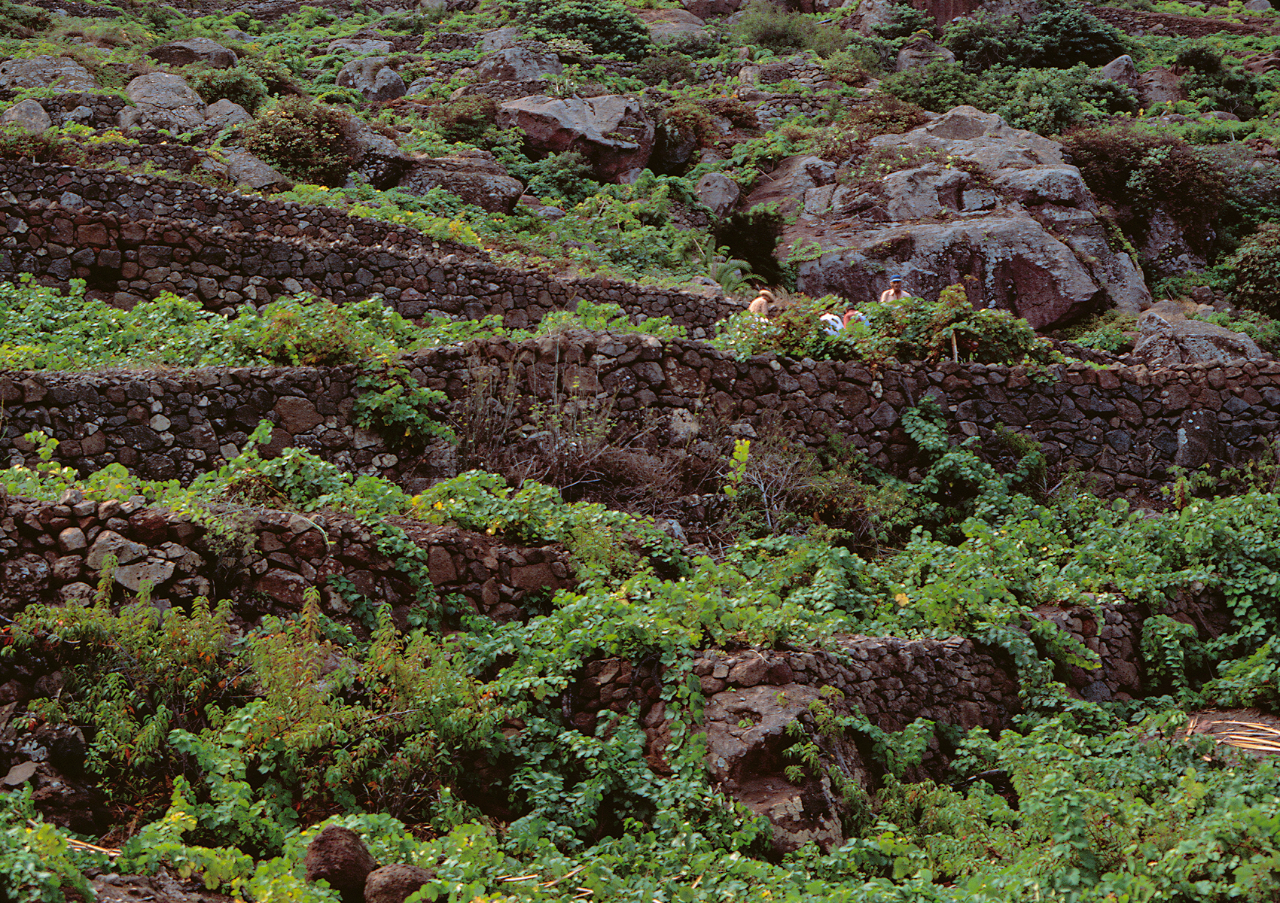
Of the seven Canary Islands, there are several that produce wines under the general DOP Islas Canarias. However, the biggest wine-producing islands are further subdivided into zones thanks to their unique terroir and climate that make each one unique. Garnering special popularity lately are these island’s volcanic wines, specifically those produced in the black moon-like craters of DO Lanzarote and in the five DO regions of Tenerife. The island’s historic vineyards are set across otherworldly, volcanic horizons, either turned ash-black in DO Lanzarote or forming dramatic vines up steep volcanic valleys in Tenerife. These landscapes are one of only six UN-designated Globally Important Agricultural Heritage Systems (GIAHS) in Spain - recognized for their exceptional agrobiodiversity, invaluable cultural traditions, and sustainability.
The resulting wines from either of these DO, although contrasting, are mineral-rich with smoky undertones, making them taste like nothing else on Earth. Shop for volcanic wines at Wine Shop Lanzarote and find out more about the volcanic wines that are making an impact.
Canary Islands History and Winemaking
Although located closer to northern Africa than to Spain, the Canary Islands, once occupied by the Romans, have been part of Spain since the 15th century. Today their winemaking is influenced by a diverse tropical climate, geologically astounding terroir and modern values, steeped in tradition. The original Canarian wines, once known as sack, evolved through the dedication of the islanders to preserve the distinctive character of such singular wines.
Volcanic Viticulture and Differences
In DO Lanzarote, the vines are grown in extraordinary basins of shallow volcanic ash, surrounded by low walls to protect them from the harsh winds that blow across the island year round. The once-overlooked Palomino Fino grape has become the star player here as Listán Blanco, producing wines of high acidity with salinity and smoky, citrusy undertones. Sometimes the wines are also made using a blend with Malvasia Volcánica and Diego varietals, to add complexity. Winemakers are focused on the resurgence of these inimitable volcanic wines.
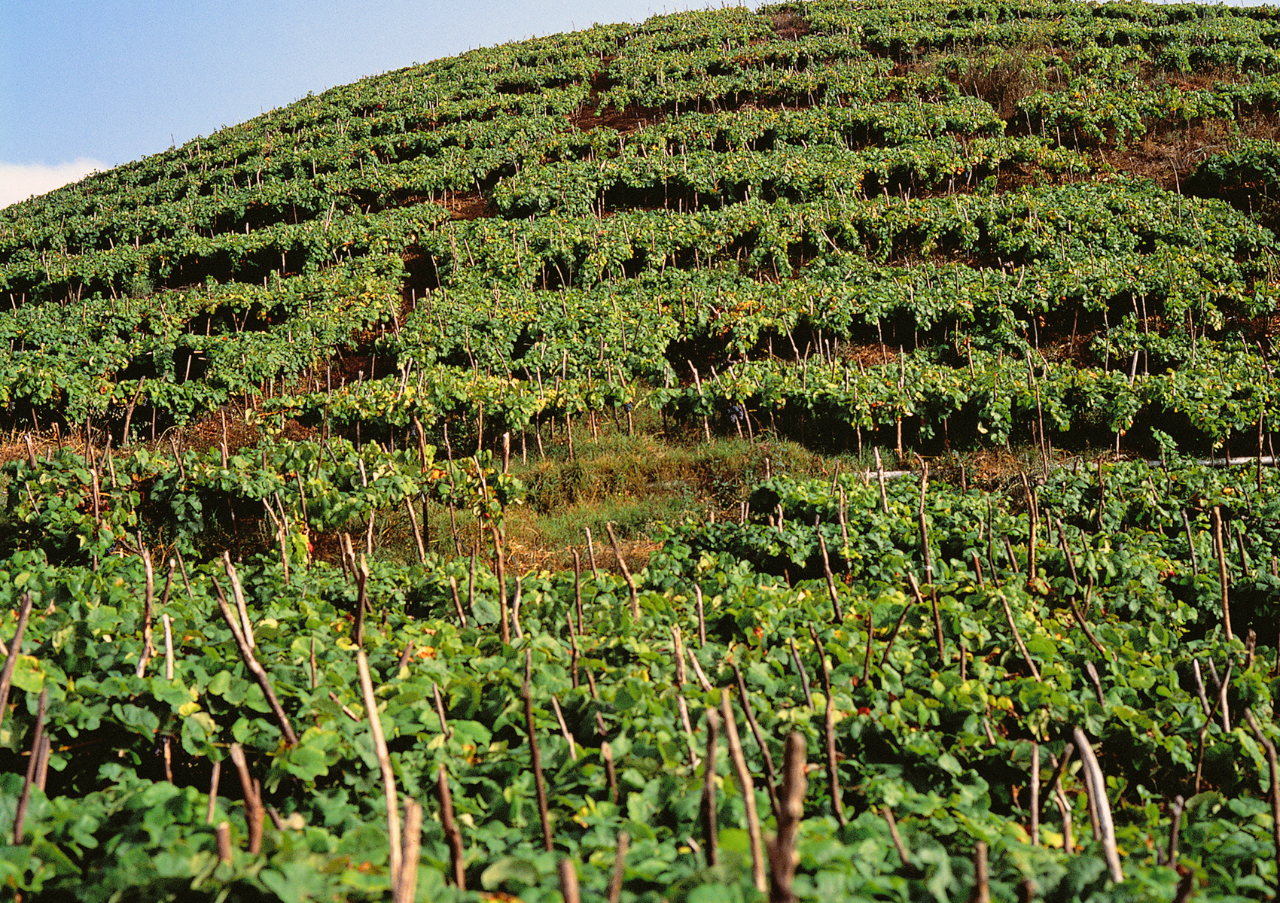
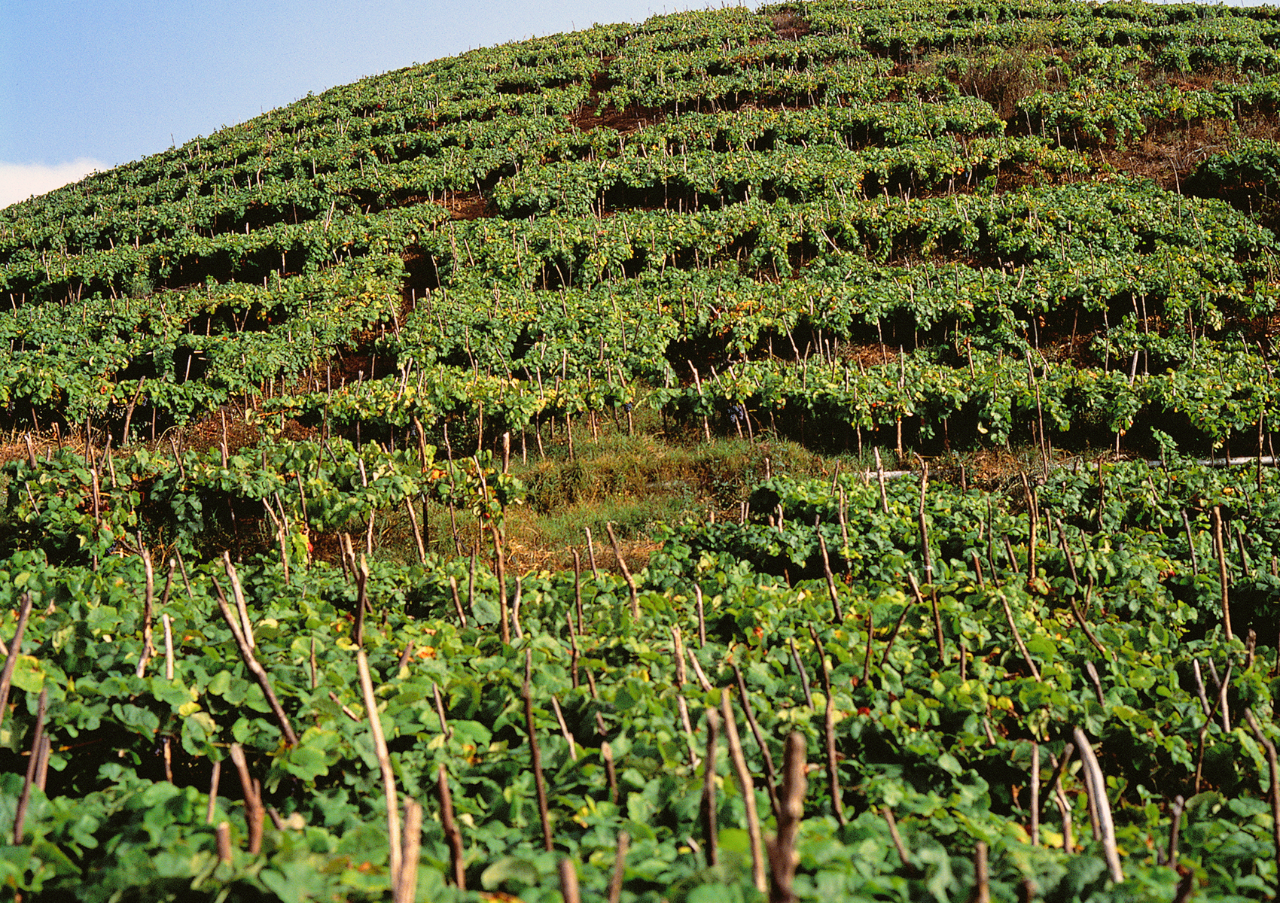
In contrast, Tenerife, having a higher altitude and five of its own subdivisions, has a more diverse range of wines on its island. A proximity to Mount Teide and the Atlantic Trade Winds give these wines their characteristic minerality and acidity, but the grapes and their resulting wines can vary from the robust, smoky reds of Listán Negro grapes in DO Tacoronte-Acentejo to the yellowish aromatic white wines of DO Ycoden-Daute-Isora using the Listán Blanco varietal. In DO Valle de la Orotava, traditional trellising techniques that look like braided ropes make their way dramatically up and down steep slopes and produce complex whites and reds.
It is believed that the distinctly flinty ashy aroma of the wines is not a direct result of the vines growing in volcanic soil, but because the low pH in the terrain makes it more difficult for the vine to take up magnesium, phosphorus and potassium. This creates a nutrient-weak must that reacts with the yeast during fermentation to bring out the smoky volcanic flavor of the wines.
Volcanic wines making an impact around the world
At gastronomic conferences like Madrid Fusion, volcanic wines have been taking up thespotlight of late, thanks to the continued efforts of its winemakers working on the key factors at play. Jonatan García Lima of Suertes del Marqués winery in DO Valle de la Orotava, Tenerife, explained how the diversity of volcanic soils links to varying ages of the archipelago, along with elements such as soil acidity, rainfall and the vineyard’s orientation - that can all influence the wine’s character. During Barcelona Wine Week, Amor Lopez of Bodega Erupción in DO Lanzarote, won the Isabel Mijares innovation award for her continued studies in understanding volcanic wines and achieving their excellence in the harsh and delicate ecosystem of Lanzarote.
The Canary Islands are one of the very few examples of wines grown in volcanic landscapes around the world, and these exclusive terroirs form part of the International Volcanic Wines Conference, now in its 5th year in 2026. The event - being held in June in Manhattan, NYC - brings together those niche producers of volcanic regions, for seminars and tastings with sommeliers and industry professionals, along with the Volcanic Wines Awards ceremony.
The future of Volcanic wines from the Canary Islands
With these wines currently making their mark as hailing from the lands of fire, Master Sommelier and founder of the conference John Szabo, names their three defining characteristics in his book Volcanic Wines: Salt, Grit and Power. These can certainly be attributed to the volcanic wines of the Canary Islands, while also pertaining to the strength, the resilience, and the knowledge, of the winemakers who are bringing volcanic wines through tradition and innovation, to the forefront of the Spanish wine sector, to emphasize their growing gastronomic potential.
Next up for wines from the Canary Islands will be Worldcanic, the International Congress of Volcanic Kitchens and Ecosystems, taking place in Lanzarote during 2027.