.png.transform/rendition-xs/image_image%20(1).png "Feder")
Dec 29 2025
Twelve Grapes for 2026: Spanish Wine-spiration for the Holidays
Although Spain is famous for its DOC Rioja wines made with Tempranillo grapes, there are plenty of stunning wines made from different grape varietals across the country. Inspired by the twelve grapes consumed by Spaniards at midnight on NYE, here are twelve grape types found in Spanish wines to try, along with their characteristics and their main wine-growing regions.
Tempranillo
Okay, let’s cover Tempranillo first, as a classic for red wine special occasions. DOC Rioja is well-known for its small-barrel wines to impart more oaky flavor, and their wine is usually made with the fruity Tempranillo grape that is aged to become complex, with leather and vanilla notes. DO Ribera del Duero is another region that is important for this varietal, as it has, in just a few decades, achieved fame for ultra-prestige wines such as Pingus and Vega Sicilia. It is second only to DOC Rioja for iconic Tempranillo wines with rich, intense flavor.
Pairing Suggestion: Barrel-aged DOC Rioja or DO Ribera del Duero Tempranillo with char-grilled meats
Garnacha Tinta
Spain’s most widely-grown red grape, the wines of Garnacha Tinta vary greatly depending on their terroir. A DOQ Priorat red wine made with Garnacha (known as Garnatxa Negra in the region) boasts black fruit, with liquorice and anise notes against minerality, whereas a Garnacha from DO Somontano or DO Campo de Borja might have more candied red fruit aromas.
Pairing Suggestion: DOQ Priorat Garnacha with gamey stew
Garnacha Blanca
Another highly popular grape, the Garnacha Blanca makes an easy-pleasing, fruity and aromatic wine in regions like its classic DO Terra Alta, or more mineral, full-on whites with body when grown around the rocky terraces of the likes of DOQ Priorat.
Pairing Suggestion: Garnacha Blanca from DO Terra Alta with fruit and cheese board
Verdejo
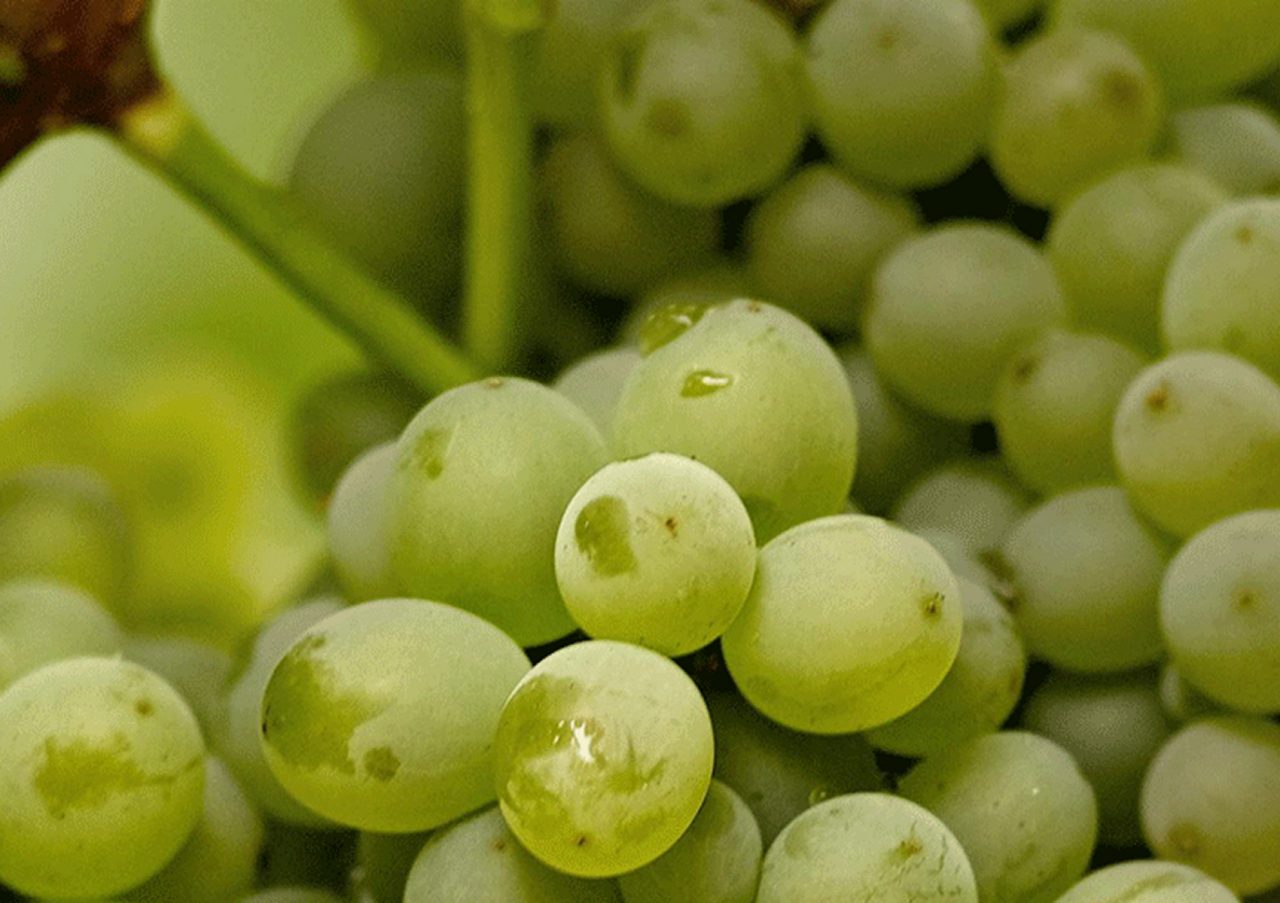
Native to northwestern Spain, the Verdejo grape is the one to try from DO Rueda – making bold, fruity, full-bodied wines with citrussy and herbal notes. Verdejo wines can be oaked for longer aging, or unoaked to reveal their full fruit potential, like the Flor de Vetus wine.
Pairing Suggestion: Verdejo from DO Rueda with ceviche.
Moscatel
The Andalusian DO Málaga in southern Spain is known for its sweet Moscatel grapes with floral aromas, making a great wine option for desserts. It is best served slightly chilled with sweet fruit-based puddings. You can find it in red or white styles, such as Quitapenas Dorado.
Pairing Suggestion: Moscatel from DO Málaga with lemon tart.
Xarel.lo
Not just one of the grapes used in the traditional DO Cava blend, Xarel.lo grapes are the pride of Catalonia, making strong heritage white wines from old vines, with mulled fruit, earthy and herbal notes. If you like orange or natural wines, there are some great wines made with Xarel.lo.
Pairing Suggestion: Xarel.lo with aged DOP manchego and membrillo quince jelly.
Tinta de Toro
Located in sprawling Castilla y Léon, DO Toro has been making a comeback in powerful red wines made from its Tinta de Toro grapes – the region’s own strain of Tempranillo. The resulting high-tannin, inky-hued wines have the capacity to age well; for example, the Gran Bajoz wine.
Pairing Suggestion: Tinta de Toro with smoked DOP Manchego.
Monastrell
In southeastern Spain, the lesser-known DO Jumila is nonetheless one of the oldest wine-growing regions in the country. Defined by its Monastrell varietal, the meaty reds from this designation or origin tend to be pepper and plum-based, like those from the Juan Gil winery.
Pairing Suggestion: Monastrell with meatballs in tomato sauce.
Godello
Set on the spectacularly steep green slopes of central Galicia, DO Ribeira Sacra is known for fine white wines made from Godello grapes, but DO Valdeorras is even more synonymous with this grape, its flavors of zesty citrus and pear plus underlying minerality providing definable characteristics. There are many options for Godello whites from this part of Spain.
Pairing Suggestion: Godello with a roast chicken dinner.
Mencía
Known as the “land of Mencía”, owing to 75% of its production with the Mencía grape, the DO Bierzo excels in red wines of fresh fruit and mineral complexity and subtle tannins known for their peppery and earthy qualities– Verónica Ortega winery will cover the bases for this grape.
Pairing Suggestion: Mencía and stuffed mushrooms with cheese and herbs.
Albariño
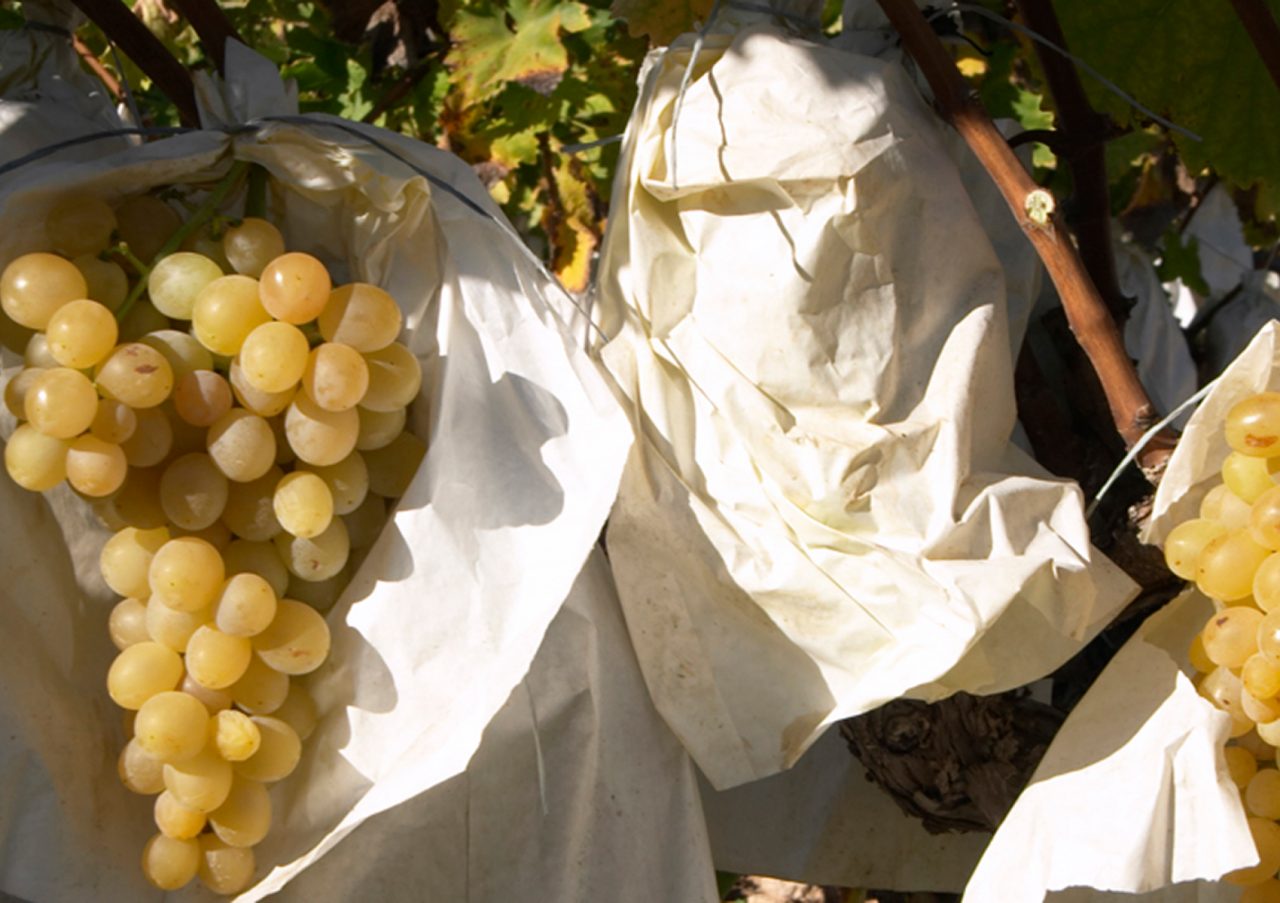
The Atlantic coastal region of DO Rías Baixas is famous for its crisp, aromatic white wines made from Albariño grapes, with juicy notes of stone fruits, fresh citrus, herbs, and minerality. Some examples of this are Pazo de Señorans, Bico da Ran and Valle de Pazo, to name a few.
Pairing Suggestion: Albariño with grilled seafood and lemon.
Bobal
Hailing from cool hillsides of the DO Utiel-Requena region, the red grape of Bobal is widely revered here. These grapes produce fruit-forward, aromatic and slightly earthy wines, with good levels of tannin and structure - like the Sericis Bobal by Bodegas Murviedro.
Pairing Suggestion: Bobal with roast turkey and cranberry sauce.
For more in-depth information about the Spanish grape types and wines from each region, check this useful overview.
RELATED ARTICLES