.png.transform/rendition-xs/image_image%20(1).png "Feder")
Dec 21 2025
Cava Meeting 2025: A Deep Dive into the Future of Spain’s Great Sparkling Wine
As 2025 came to a close, Catalonia welcomed a remarkable group of wine professionals for the second edition of Cava Meeting, an international forum organized by DO Cava to explore the present and future of Spain’s most iconic sparkling wine.
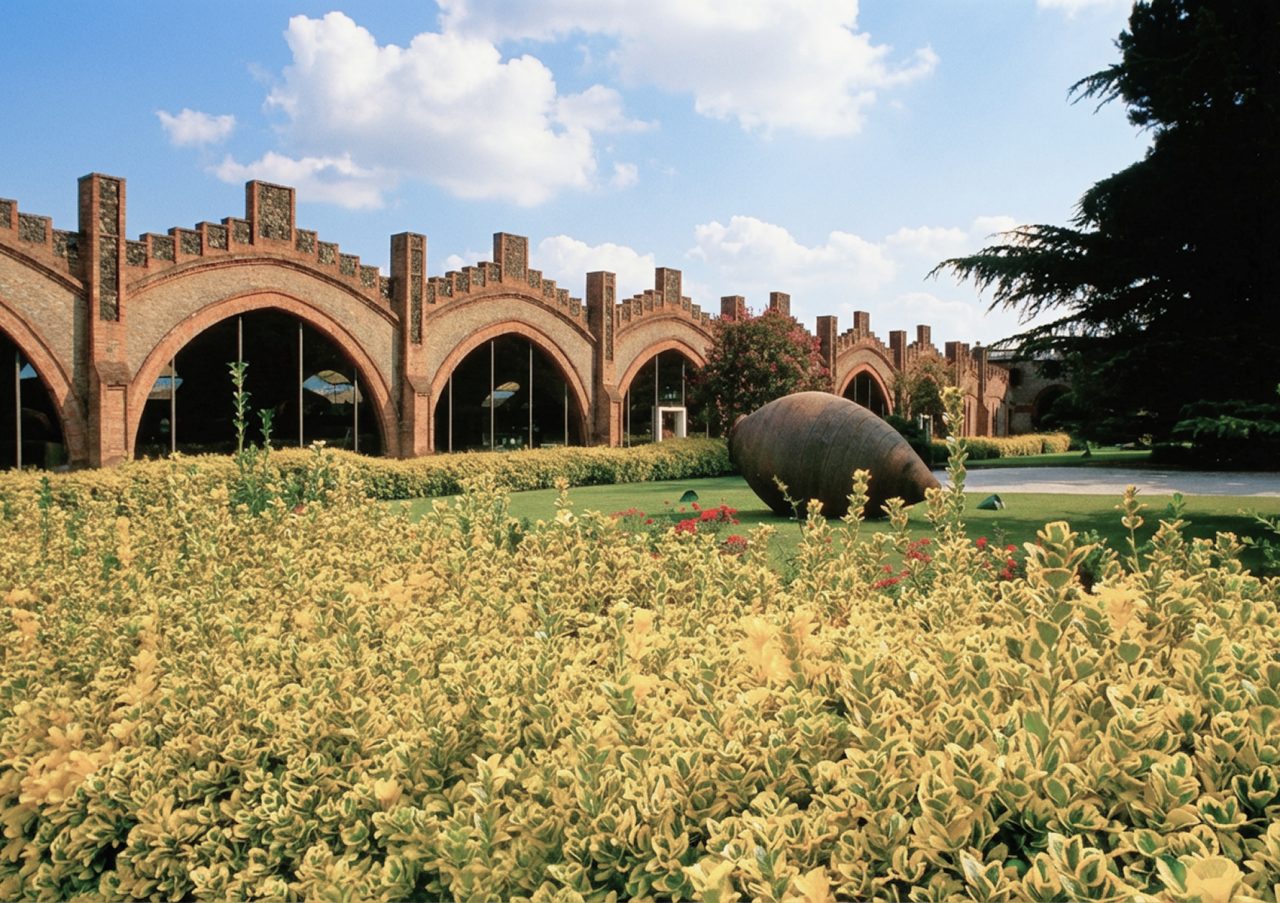
The event was held at Font de la Canya, just steps from the archaeological site long considered the cradle of Catalan winemaking. Over two days, nearly 250 participants, including more than 100 invited professionals from 20 countries, were immersed in tastings, discussions, vineyard visits, and conversations centered on Cava’s past, present, and future.
A historic wine grounded in tradition
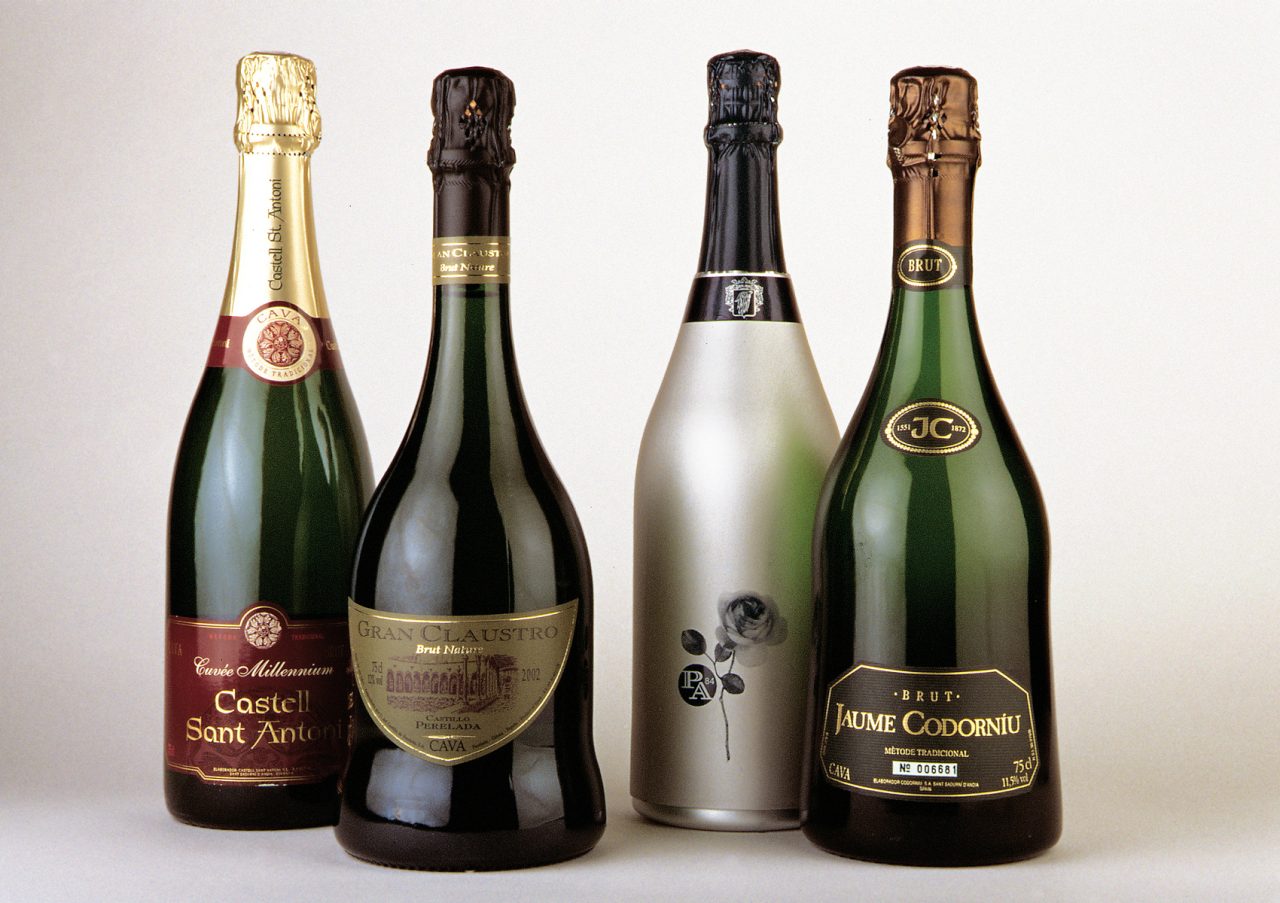
The program opened with a welcome dinner dedicated to DO Cava’s Elaboradores Integrales. These producers – currently 16 in total – carry out every stage of Cava production on their own property, from pressing to vinification and aging. Among those represented were Alta Alella, Avinyó, Can Sala, Juvé & Camps, Parés Baltà, and Vins El Cep. The wines showcased the precision and individuality driving this elite category.
The meeting officially began with an opening speech from Javier Pagés, DO Cava President, who framed Cava as a “historic wine with 150 harvests behind it,” grounded in territory, local grapes, and the traditional method of production. His message highlighted Cava’s strong identity and the need to communicate it with more clarity to international markets.
The science of flavor and environmental challenges
The first session broke from the typical technical format, blending neuroscience with winemaking. Professor Charles Zuker of Columbia University and neurobiologist Gabriel Lepousez from the Pasteur Institute explored how the brain perceives taste, texture, and multisensory stimuli. Their insights into how extended lees aging contributes umami and flavor complexity helped illuminate what makes long-aged Cava so distinctive. Pere Pons Mercadé, professor and winemaker at Cava Miquel Pons, then connected this research directly to the cellar, detailing the transformations that occur during tirage and aging, and how they shape a wine’s final expression.
An international perspective followed, with Italian educator Cristina Mercuri outlining the evolution of Franciacorta’s zoning, grape selection, and regulatory framework, before drawing parallels with Cava’s own recent changes. She reinforced the idea that traditional-method regions around the world face similar challenges: climate adaptation, clearer messaging, and an increased focus on terroir.
The cultural importance of DO Cava
The afternoon began with a big-picture question: Is DO Cava just a business or a responsibility? Moderated by Pedro Ballesteros MW, this round-table gathered leaders from Castell d’Or, Raventós Codorníu, García Carrión, Grupo Freixenet, Pere Ventura, Vallformosa, Parés Baltà, Mestres, Alta Alella, Pinord, and others. The conversation highlighted the role of cooperatives, the strength of family heritage and the increasing visibility of women shaping Cava’s future. Javier Pagés closed the session by stressing the importance of unity in the region.
The final tasting of the day, led by Essi Avellan MW and Ramon Francàs, was devoted to Cavas aged for more than 100 months on the lees. The lineup, which ranged from 2005 to 2016 vintages, showcased the remarkable longevity that long-aged Cava can achieve. These wines showed that Cava sits amongst the world’s best traditional-method sparkling wines.
Throughout the afternoon, attendees were also encouraged to visit the courtyard and sample DO Cava’s full range of Guarda Superior wines.
A Michelin-starred feast and a vineyard visit
The event culminated with a gala dinner featuring a five-course menu from Michelin-starred El Celler de Can Roca. Showcasing dishes from Peru, Mexico, Turkey and Colombia, each was paired with one of the denomination’s top Gran Reserva Cavas. Throughout the evening numerous individuals and institutions that have contributed to Cava’s excellence and international visibility were honored. Among the awardees were Marta Torné (Young Talent Award), the José Andrés Group (Restaurant Award), Josep Roca (Cava Sommelier Award), Celler Mestres (Historic Winery Award) and Josep Buján (Lifetime Achievement Award).
The following day offered participants a chance to explore the region firsthand during visits to 26 wineries across the DO. These tours further showcased Cava’s diversity and standing as one of the world’s great sparkling wines.
In total, more than 200 Guarda Superior Cavas were poured across the two days, with 65 wineries present and 28 speakers contributing their expertise. Together, they painted a clear picture of a denomination with energy and focus. The event reinforced the idea that Cava’s future lies in long aging, clearer origin messaging, sustainable vineyard practices, and a commitment to expressing place with precision.
RELATED ARTICLES