
Oct 19 2026
Conservas
Tinned to perfection
The Spanish have perfected the art of preserving food. From beautifully designed tins of plump anchovies to jars of creamy white asparagus, the finest of the ocean’s catch and the pick of the seasonal harvest are carefully packed by hand into containers, sealed and preserved to capture the flavour of nature’s bounty. This is conservas. Some of the most delicious preserved food in the world.
The Spanish culture of conservas goes beyond the simple act of food preservation. It is about sourcing great raw product, whether it be plump mussels from Galicia, wild-caught tuna from the Mediterranean or perfect white beans from the fertile fields of Asturias.
Joy in a can
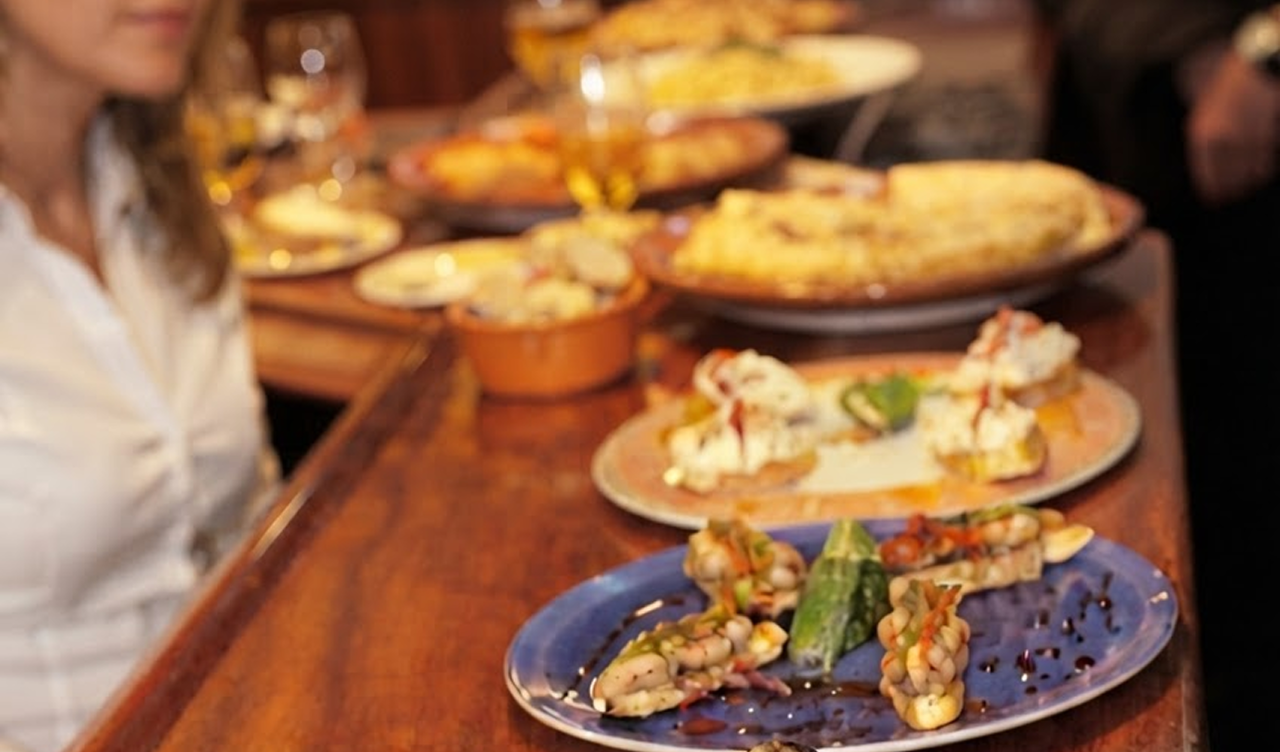
It is about celebrating the simple pleasure of enjoying those foods: shared at the bar with a glass of vermouth, opened at home with the family or skewered on a fine fork in a tapas bar. Conservas sit at the heart of Spain’s culture of culinary conviviality. In some of the most famous bars across Spain, a night out could start with a can of premium anchovies served with fresh crusty bread and a glass of wine. In a pintxos bar in the Basque Country, a local crisp white wine could be served with a gilda, made with a perfectly pickled green pepper, straight from a glass jar, threaded onto a wooden skewer.
Mussels, asparagus and tuna belly are served straight from the tin — so good, so delicious, and all part of the healthy Mediterranean diet, rich in seafood, vegetables, healthy oils and the art of eating together. Conservas are about that common revelry, about coming together to celebrate and share something that is both everyday and exceptional. This is conservas.
Ancient tradition
While Spanish conservas make the most of modern high-tech canning and bottling standards, they have their roots in ancient history. Over three thousand years ago, the ancient Phoenicians founded an empire in what is now Lebanon. They expanded their network of trading posts west and established settlements along Africa’s Mediterranean coast and then the southern part of the Iberian Peninsula.
Near port cities such as Gadir (Cádiz) and Malaka (Málaga), they established fish-preserving sites. One target species was bluefin tuna. Making their annual mating migration from the cold, rich waters of the Atlantic, these powerful fish entered the warmer waters of the Mediterranean through the narrows around Gibraltar. It was here that the Phoenicians harvested tuna at sea using an intricate labyrinth of nets. Interestingly, Spanish fishermen use a similar method today, known as almadraba. The tuna were processed on land, cured in salt and packed into terracotta amphorae. From the coast, the preserved tuna was shipped to cities around the Mediterranean and to ancient Greece.
This practice continued with the Romans. Between the modern Spanish towns of Tarifa and Barbate are the ruins of the ancient Roman town of Baelo Claudia, with its temples, markets and tuna-salting facilities. Visitors to this historic site can see how tuna was preserved and the offal fermented into the salty Roman fish sauce called garum.
With the fall of the Roman Empire and the eventual rise of Islamic Spain from the 8th to the late 15th century, the art of preserving food flourished. Parts of the Iberian Peninsula under Islamic rule were called Al-Andalus, and this period saw an influx of cultural and culinary influences from the Arabic and North African world.
One such method was al-sikbāj, an Arabic way of preserving food in an acidic preparation. Over time, the recipe was refined and the word Hispanicised into escabeche. Escabeche is a popular way of preserving seafood in Spain, characterised by vinegar, aromatic herbs and spices.
As a side note, another slice of culinary history from this period is the word mojama. This describes salted and air-dried fish — a practice repeated in Spain since ancient times. It is not the Phoenician or Roman word that describes this delicious, umami-rich delicacy, but a word derived from the medieval Arabic musama, which became the modern mojama.
Modern delicacy
European military conflict played a big part in shaping the history of modern food preservation. By the early 1800s, wars on land and sea between the French and British saw military leaders identify the dire need to feed troops and sailors over vast distances and long periods of time.
In 1795, the French government offered a 12,000-franc prize for a reliable method of preserving food. In 1809, Parisian confectioner Nicolas Appert won the prize after developing a method of placing food in glass containers, sealing them and heating them, creating the foundation for modern canning. In England, the development of tin containers soon provided a more durable means of preserving food for long journeys at sea.
The method of canning spread across Europe. There is a story that a French ship ran aground off Finisterre in Galicia, its shipment of tinned food inspiring locals to start canning their rich abundance of seafood. Around this time Spain entered the market, its nascent canning industry making the most of the bounty of delicious fish, both large and small, as well as octopus and shellfish found in the waters surrounding Spain, especially along the Galician coast.
The Spanish conservas industry spread, focusing on coastal towns with sheltered ports where seafood could be landed and the finished product dispatched. The early conservas industry was also dependent on a workforce to process, pack and transport the fish. Today, towns dotted along the Cantabrian Sea, throughout Galicia and along Andalusia’s Atlantic shoreline, as well as along the Mediterranean coast, are still home to the time-honoured vocation of making conservas.
Conservas can also describe the art of capturing the best of the harvest from Spain’s fertile agricultural regions. From the rich floodplains of the Ebro River in Navarra to the orchards of Calanda in Lower Aragón, vegetables such as peppers and asparagus, along with plump, ripe peaches, have long been picked at their peak.
The advent of canning and preservation in glass saw a locally driven form of horticulture transform into an artisanal industry. The best of the season could be cleaned, trimmed, hand-packed, sealed and preserved at its peak, then shared around the country and the rest of the world.
Anchovies
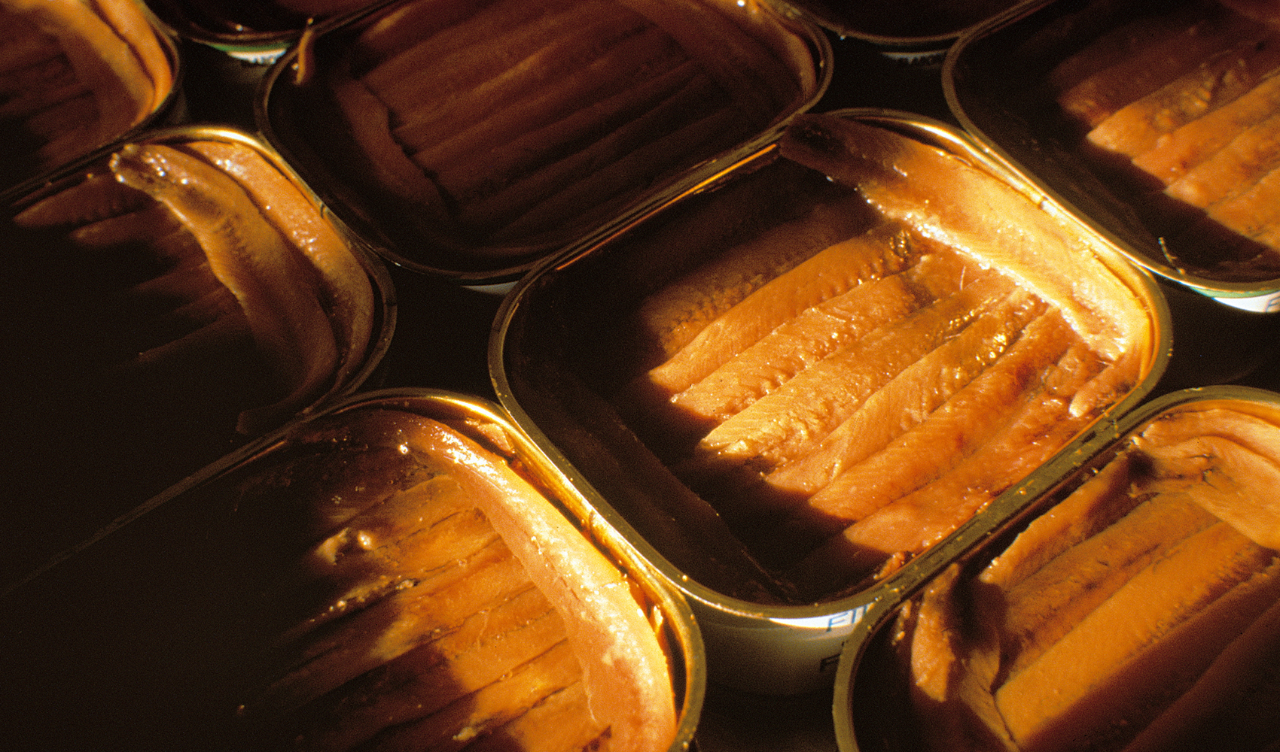
The Spanish are passionate about anchovies. They know they produce some of the finest in the world. Small European anchovies are sustainably harvested in the Cantabrian Sea and the Mediterranean before being quickly brought ashore and cured in barrels in an intense salt brine. Here they undergo a transformation, curing the flesh and changing its texture and flavour. The fish are carefully cleaned and hand-filleted by trained teams. The fillets are hand-packed into small, flat tins and covered with a layer of olive oil or an oil blend.
It is this careful curing and hand-processing that makes Spanish anchovies so luscious, meaty and packed with umami. Best-known producers include Yurrita in the Basque Country, Don Bocarte in Cantabria, Anchoas Hazas in Asturias and Conservas Antonio Pérez Lafuente in Galicia. Along the Mediterranean coast are towns like L’Escala where the producer Anxoves de L’Escala catches and processes small, sweet and fleshy local anchovies.
Spanish anchovies can be served straight from the tin, laid across a piece of crusty bread or pan con tomate — bread rubbed with tomato and garlic — or served with a thin wedge of Manchego or similar cheese.
It is interesting to note that anchovies are described in Spain as semiconservas, as they are salted and matured rather than sterilised through the heat treatment used for fully shelf-stable conservas. They therefore require refrigeration.
Tuna
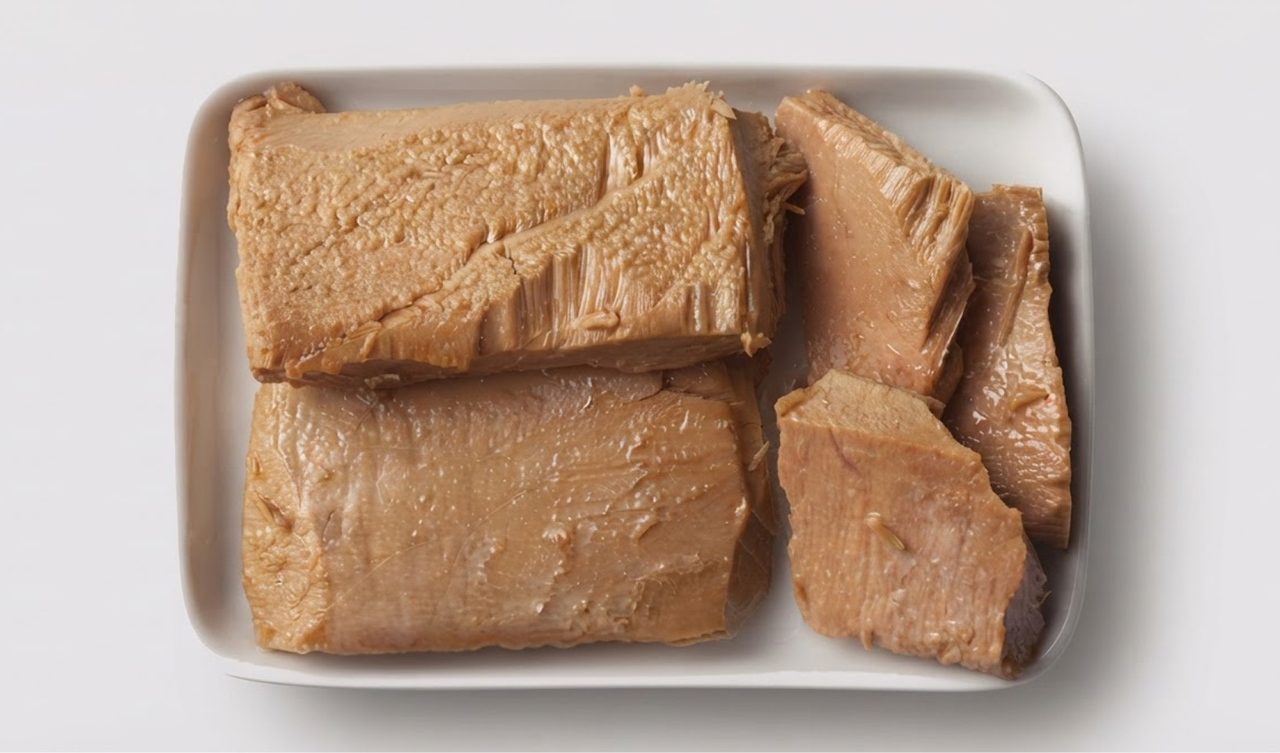
Modern tuna conservas are a direct link to Spain’s long history. For more than 3,000 years, bluefin tuna have been caught in nets off the southern tip of Spain in a wild harvest called almadraba. Bluefin tuna, atún rojo, is one of Spain’s great delicacies. It is known by some as el rey del mar, the king of the sea, or el tesoro gastronómico, a gastronomic treasure.
The entire fish is revered and the Spanish are particular about their cuts of tuna. The belly, or ventresca, is prized for its rich texture, while the loin, or lomo, is appreciated for its flaky texture and rich flavour. The flesh around the head is particularly rich and is called morillo. Towards the tail is more rich, dense flesh known as tarantelo. Barbate near Cádiz is a well-known tuna processing town home to companies such as Herpac and Conservas El Ronqueo who continue the conservas tradition.
Both these well-respected companies produce mojama for export, continuing the ancient tradition of salting and air-drying bluefin tuna. Another conservas producer La Chanca joins Herpac in making mojama under the IGP Mojama de Barbate, a European Union quality standard – IGP is Protected Geographical Indication in English — determined by many factors including its location. Another IGP for mojama exists in Huelva on the Andalusian coast to the north.
Another species favoured by the Spanish for conservas is yellowfin tuna, known for its silky texture, rich flavour and lingering deliciousness. Yellowfin is caught using traditional pole-and-line methods in the waters of the Atlantic Ocean, including around the Canary Islands, and brought back to ports such as Barbate near Cádiz, where it is processed and preserved. Known as atún claro, there are well-knownn Spanish supermarket labels like Calvo or more artisan conservas such as Dardo.
In the Cantabrian Sea to the north, albacore tuna, also known as bonito del norte, is caught. It is a delicious tuna with firm, light-coloured flesh and a mild seafood flavour and while a famous Spanish brand like Ortiz has made its name internationally for preserving anchovies it also excels in succulent bonito del norte.
While Spanish tuna conservas can be served straight from the tin in a bar or with drinks, they also form the basis of scores of traditional Spanish dishes, such as stuffed red peppers, potato salad and tuna empanadas. Spanish tuna conservas match perfectly with a crisp Albariño or Macabeo.
Mussels
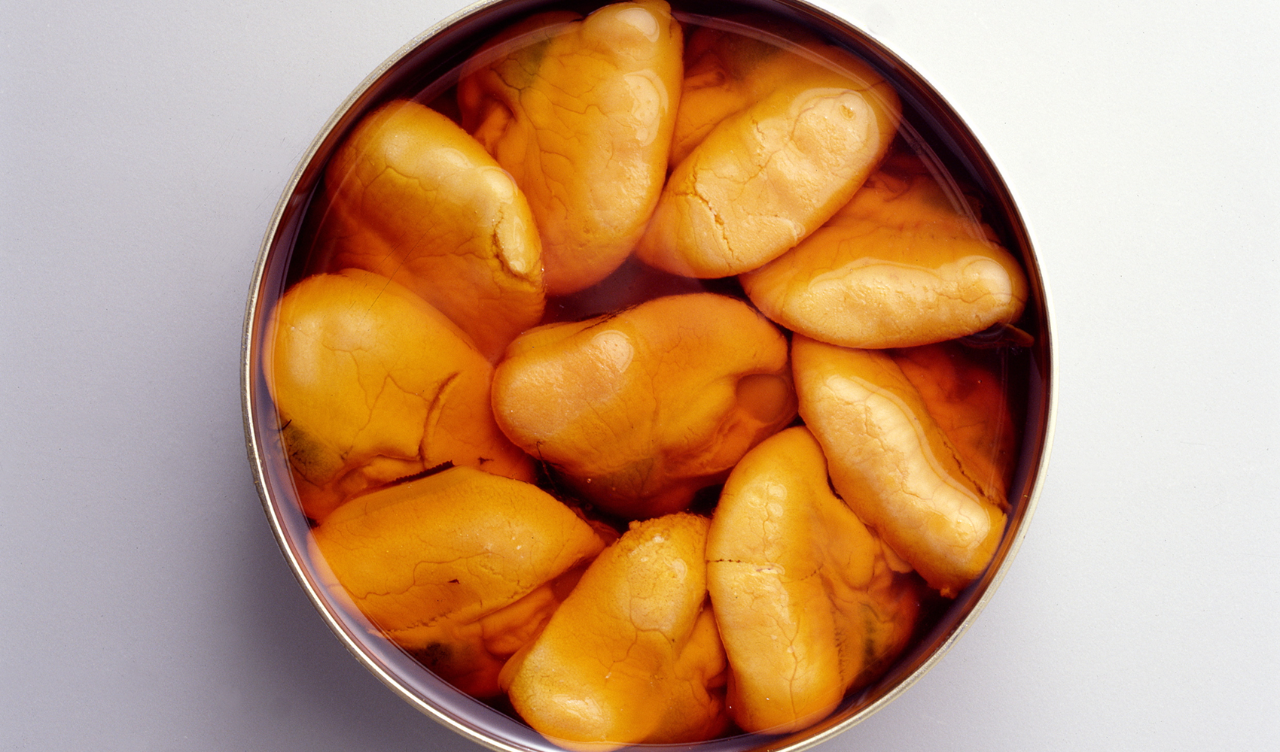
Mussel conservas are truly beautiful, like small jewels arranged in a box — little orange and ochre-coloured morsels glistening with olive oil in a shining golden case. The mussel story starts with the cool waters of the Atlantic Ocean welling up along Spain’s west coast, bringing clear, nutrient-rich seawater to Galicia. This creates a perfect environment for mussels to thrive and grow plump and delicious.
Mejillón de Galicia, or Galician mussels, became the first European marine product to receive geographical protection in 2007, ensuring that mussels carrying the label are produced, processed and packaged in Galicia according to strict standards.
Farmed on floating wooden rafts in the sheltered estuaries, or rías, the mussels are harvested at their plump best, removed from their shells, gently cooked and packed into tins. Sometimes the mussels are packed simply, highlighting the sweetness of the flesh. A very popular style of mussel conserva is escabeche — a blend of oil and vinegar with Spanish paprika and bay leaf, perhaps with a hint of clove.
The pickling liquid of the escabeche has its own cachet. It cannot be wasted and must be finished by being sopped up with crusty bread: ¡No se desperdicia nada! — nothing goes to waste. Some of the world’s best-loved mussel brands come from around the historic maritime town of Cambados including Ramón Peña, known for their hand-packed shellfish.
The DOP Mejillón de Galicia / Mexillón de Galicia designation guarantees that labelled mussels come from designated Galician coastal areas and are grown on traditional wooden rafts called bateas.
Mussels are ideal straight from the tin and served on a potato crisp, and perfect with an ice-cold Spanish lager or vermouth, or even a glass of Albariño grown on the Galician maritime slopes overlooking the beautiful rías where the mussels are grown.
Cockles
Another delicious conserva from Galicia is berberechos, or cockles. Harvested by hand along the protected bays of the Galician coast, special rakes are slid under the sand to reveal the cockles. They are slowly purged of sand, cleaned by hand, packed into tins and covered with a little salted water to maintain the clean taste of the sea.
Perfect eaten straight from the tin, perhaps with a squeeze of lemon or a dash of hot sauce, they are a favourite accompaniment to vermouth before the main meal.
Razor clams
Razor clams are much appreciated in Europe for their meaty texture and delicious flavour. Known as navajas in Spain, they are harvested from shallow waters along the sandy coastline, hand-cleaned and packed simply to maintain their delicate flavour.
Razor clams are an ideal example of the Spanish way of seeing conservas: De la mar a la lata — from the sea to the tin. The phrase highlights the way top-tier conservas capture the freshness and flavour of the ocean. Perfect as a snack with perhaps a little lemon or extra virgin olive oil, they are delicious with a crisp white wine. One of the best-loved brands packing both cockles and razor clams is Real Conservas, whose original factory on the docks at Cambados in Galicia, has been transformed into a museum of the region’s fishing history.
Pulpo
The Spanish love their pulpo, or octopus. A Galician speciality is slices of this moreish seafood served with potato, drizzled with extra virgin olive oil and dusted with pimentón de la Vera. Some Galician conservas makers replicate this classic smoky flavour using pimentón de la Vera in their recipe. Others prefer a little garlic, while many simply gently cook the octopus in its own juices.
The conservas method ensures a tender texture and a superb, robust flavour. Great as tapas, served on crusty bread with a little of the juices poured over, or served in the Galician style with potato and a little more pimentón de la Vera, pulpo conservas are a distinctly Spanish speciality for everyone to enjoy. Brands like Los Peperetes draw upon their Galician culture making pulpo to the traditional recipe making truly distinctive products. The company name draws on the Galician word peperete, used for something appetising.
Squid
Most of the squid selected for conservas are caught on jigs in sustainable fisheries. The squid are small, delicate and deeply delicious. Stuffed with aromatic rice, simmered in their own ink or simply conserved in oil, Spanish calamares, or the smaller chipirones, are classic conservas.
Calamares en su tinta, or squid in its own ink, is a conserva of hand-packed small squid in a shimmering dark sauce made with onion, tomato and squid ink. As dramatic as it is flavourful, it is delicious with a glass of light red wine. An expert in the field is Conservas La Brújula from Cambados, Galicia who hand stuff baby squid and conserve in olive oil as well as making a rich sauce to blend with squid ink for their calamares en su tinta.
Squid conservas are briny and flavoursome, with a firm yet tender texture. They can be served as a snack on a tapas plate or incorporated into salads and pasta.
Garfish
Small, tender, white-fleshed garfish make a succulent and delicious little snack. They are caught using small-scale coastal fishing methods and carefully handled to ensure they remain intact for packing. Called agujas in Spanish, garfish have delicate flesh and an elegant flavour and are perfect straight from the tin at room temperature.
Pair the meaty fillets with crusty sourdough bread, a squeeze of fresh lemon juice, fresh herbs such as chives or parsley, and a drizzle of the tin’s quality olive oil.
The Garden Preserved
Asparagus
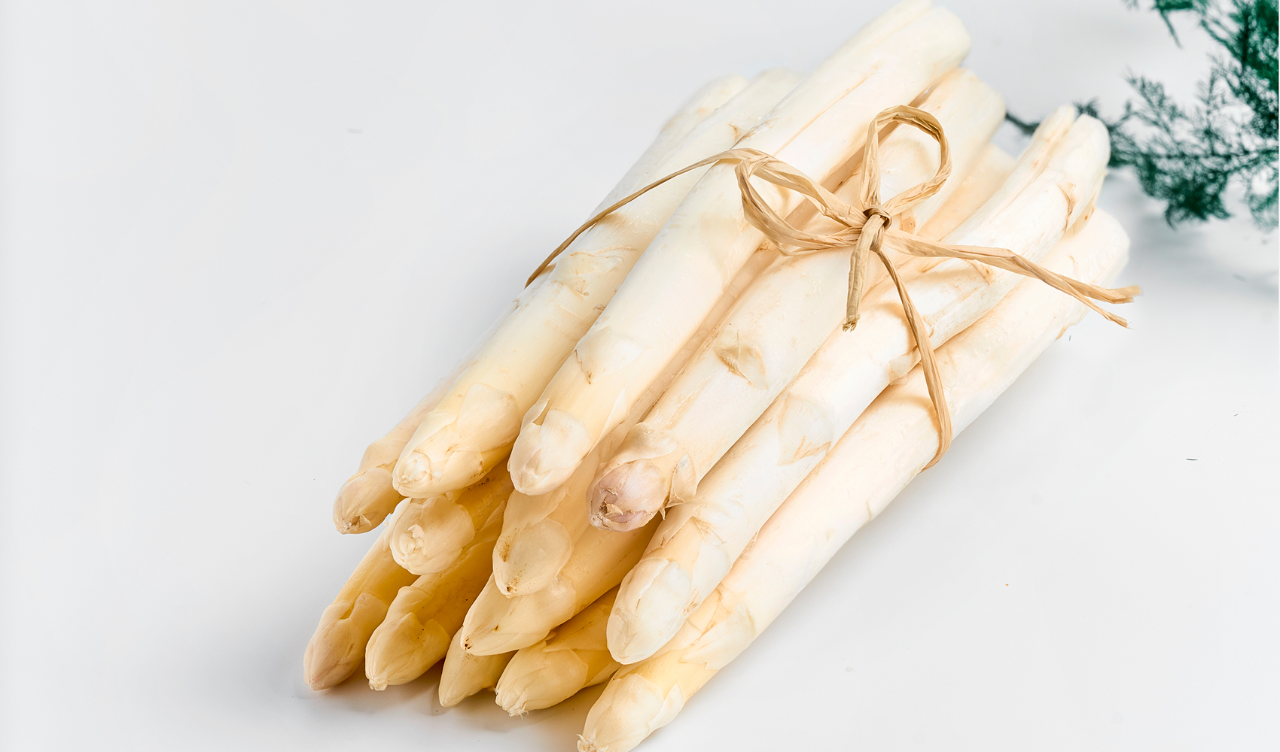
Spanish white asparagus is a triumph of horticulture. It is primarily grown in the northern Ribera del Ebro region, most famously in Navarra, home to PGI Espárrago de Navarra, recognised for its quality and origin. Spanish asparagus is also grown in neighbouring La Rioja and Aragón.
These tender stems of asparagus are mounded with earth to protect them from sunlight, exposure to which would harden the stalk and tinge the asparagus green. They are harvested during a brief window in spring, often at night, again to protect the stems from the sun. The spears are hand-trimmed, washed and laid out in long tins or tall glass jars. Covered in a little salted water, the asparagus are preserved, locking in their flavour and soft, creamy texture.
One of Spain’s best-loved brands is El Navarrico, San Adrián, Navarra. El Navarrico was founded by José and Amalia Salcedo who began bottling asparagus and piquillo peppers by hand in the ground floor of their family home in 1960. The name El Navarrico is an affectionate term for a native of Navarra.
Enjoy them straight from the can, serve them cold with a dollop of premium mayonnaise or a simple olive oil and vinegar vinaigrette, wrap them in Serrano ham, or warm them briefly in a hot pan with butter and lemon.
Red peppers
The piquillo pepper is essential to the Spanish pantry. These small, sweet, deep-red peppers are roughly the size of the palm of your hand. Originating in northern Spain, and traditionally associated with the Navarra town of Lodosa in the Ebro River Valley, their name translates as “little beak” because of their pointed shape. They have a mild, sweet and smoky flavour with virtually no heat.
Piquillo peppers from this region are recognised for their quality through PDO Pimiento del Piquillo de Lodosa, with El Navarrico being a well-known producer. Another producer is Conservas Artesanas Rosara, based in Andosilla, Navarra. Its broad range of vegetable conservas includes red peppers roasted over beechwood.
They are flame-roasted, deseeded, hand-peeled and packed whole in jars before being preserved. With a sweet, slightly smoky flavour, they are traditionally stuffed with seafood, meat, cheese or vegetables. They can also be used in toasted sandwiches or served in salads.
Tomatoes
Spanish preserved tomatoes bring the flavour of ripe summer fruit to the kitchen year-round. Grown mostly in Andalusia, Extremadura, Murcia and along the Ebro Valley, the tomatoes are harvested at their peak, peeled and preserved whole, chopped or crushed, capturing their natural sweetness, acidity and savoury depth.
Tomate entero pelado is particularly versatile: crush the tomatoes by hand for a rustic sauce, simmer them with olive oil and garlic, or add them to soups, stews and braises.
Chopped preserved tomatoes make a quick base for rice and bean dishes or pisto manchego, while crushed tomato is ideal for sauces such as albóndigas en salsa de tomate. Good preserved tomatoes need very little embellishment — sometimes olive oil, salt and good bread are enough.
Look out for quality Spanish producers like Conservas Pedro Luis in Lodosa Navarra. Founded as a family business in 1988, Pedro Luis processes tomatoes promptly after picking to capture the flavour of a Spanish summer.
Banderillas
The banderilla is a classic Spanish tapa: a selection of pickled vegetables skewered together to make a bright and colourful appetiser to go with a cold drink in a popular bar. Popular in Spain’s north, banderillas are named after the brightly coloured darts used in bullfighting. They are typically sold in jars in grocers and served as a tapa.
One respected brand is the century-old Serpis company in Alcoy, Valencia. Known for its table olives, it also sells vinegar-pickled banderillas around the world.
While there is no correct recipe or order for a banderilla, it can consist of a green olive, pitted and sometimes stuffed, a little pickled gherkin, a cebollita, or pickled baby onion, pieces of green or red pimiento, and sometimes a crisp and slightly spicy long green pepper from the Basque region called a guindilla.
Peaches
Spanish peaches capture summer in a jar. Grown in warm inland regions, the best fruit is picked ripe, peeled and preserved in syrup, retaining its golden colour, fragrance and luscious texture. Melocotón en almíbar is a much-loved pantry staple, ready to serve when fresh stone fruit is out of season.
Among Spain’s best-known peaches are those covered by the DOP Melocotón de Calanda, centred on Calanda in Teruel, Lower Aragón. The DOP peaches are not only sweet, ripening to 12 °Brix, but beautifully aromatic, each ripening in its own protective mesh bag to keep its skin perfectly smooth and free from pests.
Spain is a nation of not only old family businesses but cooperatives, businesses owned by local farmers. One of them is La Calandina in Calanda. This cooperative traces its beginnings to 1974 and while it processes exceptional Empeltre extra virgin olive oil it is known for its fresh peaches and DOP peaches in syrup.
All Spanish preserved peaches can be eaten simply, chilled and spooned into a bowl with a little syrup, or served with thick yoghurt, cream or vanilla ice cream. Slice them into cakes and tarts, serve alongside flan, or pair with fresh cheese. They can also work beautifully with jamón for a sweet-savoury tapa.
Beans
Spain grows and eats an extraordinary variety of beans. Large, creamy judiones, famously associated with La Granja in Segovia, are almost comically big, with thin skins and soft, buttery interiors. They readily absorb the flavours of pork, chorizo and morcilla and are the foundation of rich, warming stews.
In Asturias, fabes are the prized white beans traditionally used for fabada asturiana. Plump and tender when cooked, they have an almost silky texture that works beautifully with the smoky, savoury flavours of chorizo, morcilla and cured pork -, especially those recognised with the IGP Faba Asturiana / Fabes de Asturias.
There is a trend in modern cuisine to make the most of the protein-rich water in which beans are preserved. Called aquafaba, it can be whipped into stiff peaks for meringues, used to bind baked goods and emulsify sauces such as vegan mayonnaise.
Smaller white beans, generally sold as alubias blancas, are everyday pantry staples. Preserved in jars, they can be drained and tossed with tuna, tomato, onion and parsley for a quick salad, or simmered with vegetables, seafood or pieces of sausage.
There are also alubias rojas, earthy red beans, and beautifully mottled pintas, both particularly suited to robust soups and stews. Dark alubias negras bring deeper, earthier flavours to the table.
A Tin Worth Opening
Conservas are a deeply cultural Spanish phenomenon that has been embraced worldwide. No other nation on earth has elevated the process or preserving food in tins and jars into an art form. From the care taken with harvesting and growing the raw product, to the meticulous way that the containers are packed, Spanish conservas are without peers. The fact that person who carefully lays out anchovies in a tin, known as a sobadora, will also leave her employee identification number, is testament to the pride and responsibility for quality that is taken with many Spanish conservas manufacturers.
Alongside Spanish cheese, jamón and charcuterie, or embutidos, they are popular and delicious offerings in bars, pubs, cafés and restaurants across the globe. They are also becoming increasingly popular with home cooks who recognise their great visual appeal, generous shelf life and value for money.
With a culinary backstory stretching back millennia, Spanish conservas are a delicious expression of a culture that has long understood how to capture food at its seasonal best and preserve it to be enjoyed another day.