.png.transform/rendition-xs/image_image%20(1).png "Feder")
Oct 09 2026
Why Bonito del Norte is the Jewel of the Cantabrian Sea
Summer in Spain is the prime season for sensational fish and seafood. And few delicacies are quite as sought after as the wonderfully named Bonito del Norte.
Known in English as albacore tuna, or white tuna (also by the scientific name Thunnus alalunga), Bonito del Norte migrate to the temperate waters of northern Spain to escape the heat of summer. The Bonito del Norte fishing season takes place between June and September, when the warm waters bring shoals of fish closer to the shore, making them easier to catch in large numbers.
This season, known locally as La Costera del Bonito, sees highly skilled fishermen use a time-honored, sustainable live bait technique known as ‘cebo vivo’ to make their catch. First introduced to the northern Spanish fishing fleet in 1948, it’s a technique that has been honed to perfection over almost a century.
What Makes Bonito del Norte So Special?
Bonito del Norte is among the finest tinned tuna in the world. It’s a gourmet product that captures the fresh flavor of the Cantabrian Sea. The high quality of the product is a tribute to both the natural qualities of the fish and the entire production process – from the traditional live bait catch to the meticulous canning method.
The Cebo Vivo method
A crew of approximately 15 skilled fishermen head out into Cantabria’s waters to catch Bonito del Norte. The fishermen cast live, fresh bait, including anchovies, sardines, and mackerel, into the water.
The bait is kept alive for days at sea using specialized oxygenated seawater tanks known as viveros. The natural movement, vibrations, and scent of live bait trigger the predatory feeding response that artificial methods alone cannot match. This response is heightened by shooting a jet of water into the water, prompting the tuna to bite early.
The cebo vivo method requires a special rod with a non-lethal hook. This creates minimal harm to the fish, helping Bonito del Norte to retain optimal quality and texture, while ensuring a more humane catch. The fish are kept in perfect condition using onboard refrigeration systems or ice storage, preserving the premium quality of their meat.
The Canning Process of Bonito del Norte
The canning tradition, rooted in northern Spain, has been passed down from generation to generation, combining artisanal techniques with technological advances to guarantee maximum product quality.
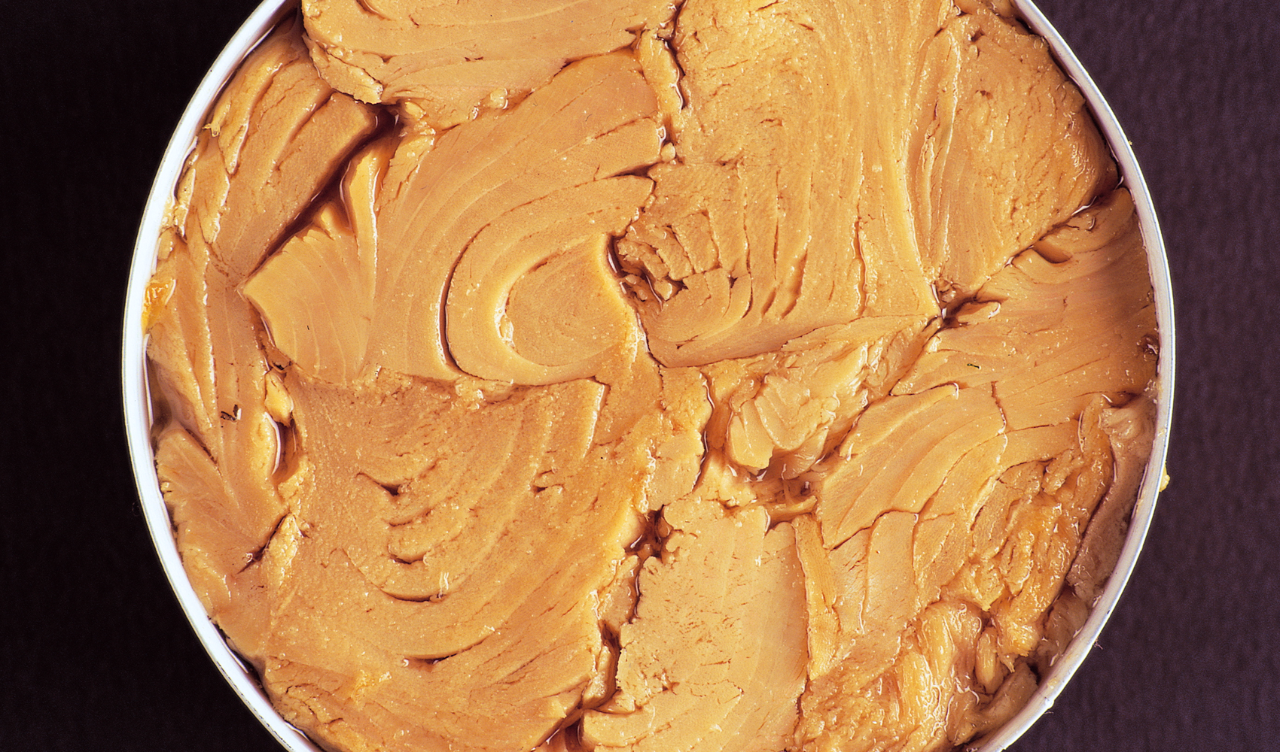
The canning process of Bonito del Norte involves gently cooking the tuna fish loin in salt water or brine, before meticulously cleaning each piece over four separate stages to ensure optimum cleanliness and quality. The tuna is then added to the can, along with high-quality Spanish olive oil. Each can is then vacuum-sealed using an industrial pressure cooker known as an ‘autoclave’ to prevent air from entering.
Canning captures the essence of the product, giving you that authentic, fresh flavor. Best of all, it means high-quality Spanish preserves such as Bonito del Norte can be enjoyed outside of Spain all year round.
Key Spanish Exporters & Brands
There’s an array of artisanal brands along Spain’s western and northern coastlines exporting high-quality canned Bonito del Norte.
Grupo Albo is a historic, large-scale Spanish cannery founded in 1869, distributing premium white tuna globally. Conservas Serrats, based in the Basque Country town of Bermeo, is a prominent, fifth-generation, family-run producer specializing in traditional Cantabrian Bonito del Norte and seafood preserves.
Artesanos Alalunga and Conservas y Salazones Arlequín export a range of artisanal fish and seafood preserves, with Bonito tuna as a signature product.
Conservas Güeyu Mar was founded by Chef Abel Álvarez in Asturias. Every piece of seafood is chargrilled over holm oak wood flames before being hand-packed in Castillo de Canena Arbequina extra virgin olive oil. They export to over 14 countries, including the United States, Japan, and parts of Europe.

Top Global Markets for Spanish Bonito del Norte Tuna
According to the World Integrated Trade Solution (WITS) database, Spain exports approximately 107 million kg of tuna worldwide every year, including Bonito del Norte. Italy is the largest single destination for Spain's canned and preserved tuna, accounting for almost half of the total exports.
Other major neighboring markets include France and Portugal, while northern European countries such as the United Kingdom, Germany, Belgium, and the Netherlands are also key importers of Spanish Bonito del Norte.
The United States is the largest destination for Bonito del Norte exports, while in Japan, Spanish tuna, including Bonito del Norte, is particularly highly prized as a world-class sushi ingredient.
Where to Buy Bonito del Norte Outside of Spain
In Europe, the likes of Mitte Meer, a specialty Spanish market chain in Germany, and Brindisa, a treasured Spanish food store in the UK, stock high-quality Bonito del Norte, among many other Spanish convervas.
You can buy it in the US from online stores such as Despaña and La Tienda, while in South America, La Peseta Gourmet’s specialty gourmet store based in Bogotá brings the authentic flavors of Spain to Colombia, including Bonito del Norte.
In Asia, Fiesta, in the centre of Hong Kong Island, sells Bonito del Norte as well as other traditional Spanish products.