.png.transform/rendition-xs/image_image%20(1).png "Feder")
May 14 2026
Spanish cuisine is central to high-performance nutrition and food as medicine
Spanish cuisine is meeting the needs of a growing trend towards high-performance nutrition and food as medicine. Mediterranean diet roots, with an emphasis on anti-inflammatory, nutrient-rich, natural whole foods, is meeting the needs of a global trend based around optimizing athletic performance while reducing injury risk and recovery time, in addition to aiding longevity and maintaining physical and mental health
Food for high performance
Modern athletes now focus on optimizing athletic performance through precision nutrition, prioritizing real foods over supplements. This is increasingly aided by AI-based technology that can develop personalized dietary strategies, including wearable devices and apps that can monitor and analyze health data. In today’s digitalized world, qualified nutritionists are more important than ever. They play a crucial role in providing professional, clinical advice that can augment digital technology while helping athletes steer clear of nutritional myths that can negatively impact health and physical performance.
In addition to consuming more fresh ingredients, elite athletes such as endurance runners, cyclists, weightlifters, and professional sports teams such as FC Barcelona are turning to creatine products to aid performance and recovery. New products are emerging to meet the demands of modern athletes. The award-winning CREATINE gummy bar, is one such product. Recently named the most outstanding innovation for the New Product Showcase Award at ISM Cologne 2026, one of the world’s most important trade fairs in the sweets and snacks industry, CREATINE is designed to enhance strength, power, and muscle recovery. The energy bar contains the food supplement Creavitalis®, a high-purity creatine monohydrate that has been proven to enhance cellular function and aid tissue regeneration.
The trend of food as medicine
The traditional Mediterranean diet is being modernized to meet changing needs of modern athletes in Spain and beyond. This is inline with a global shift towards food as medicine, driven by health-conscious consumers searching for natural, sustainable, and nutrient-dense foods. With a better understanding of the food we eat and how it impacts our bodies, consumers are taking a more proactive approach, seeing food as something that can extend lifespans, enhance immunity, and improve daily wellbeing.
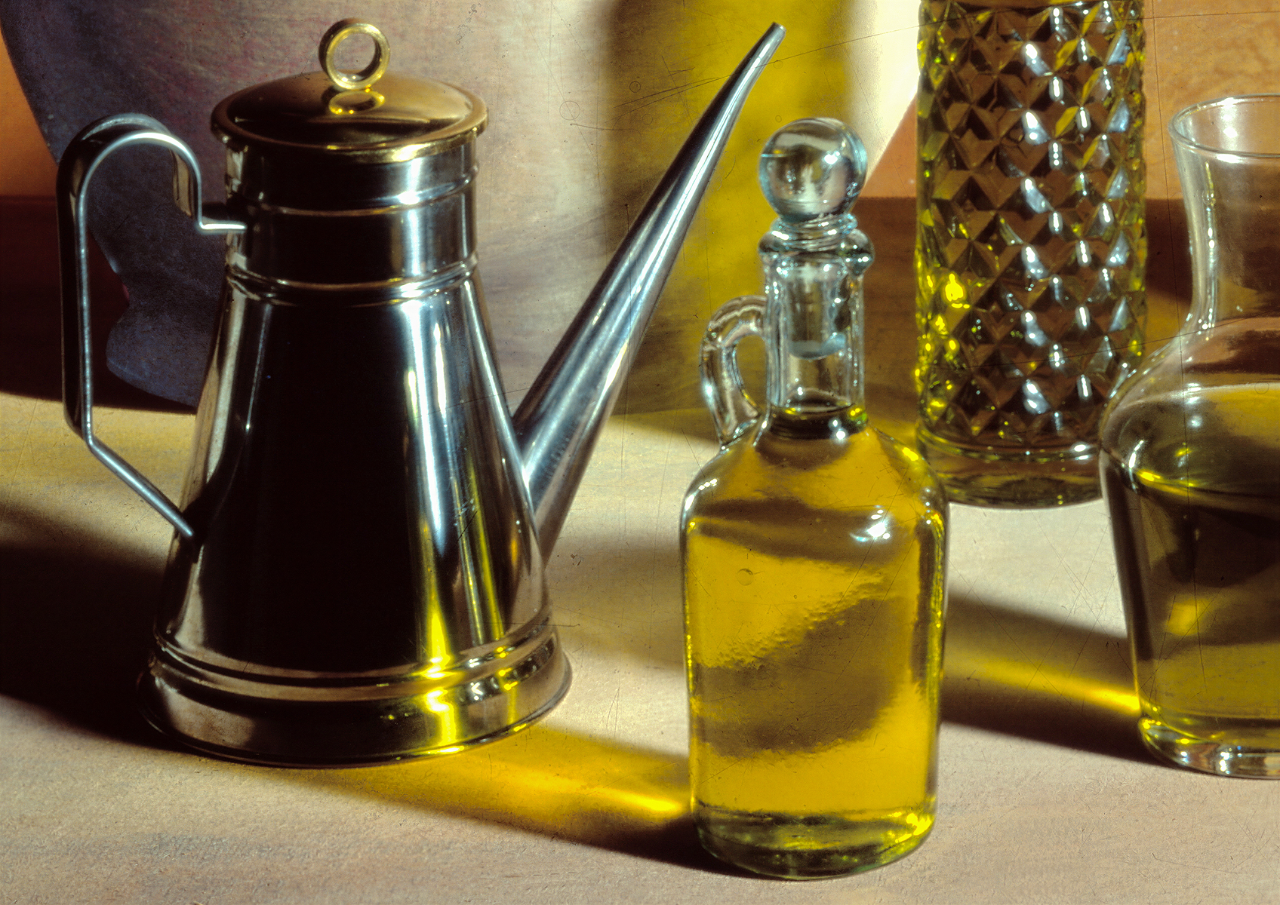
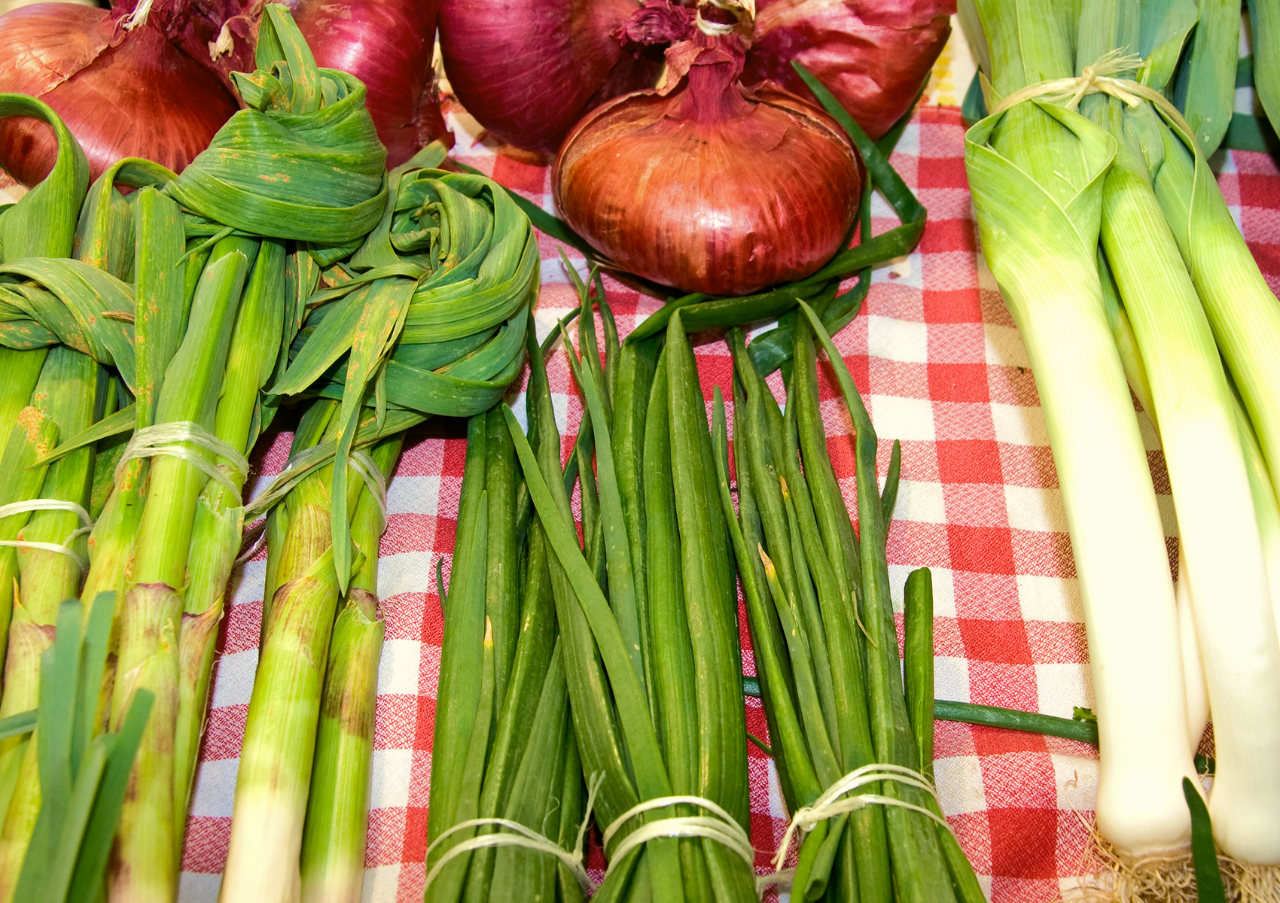
There is an increase in demand for locally-sourced, zero-kilometer products, and eating seasonally. Plant-based, high-protein ingredients such as pulses are being seen as a popular alternative to meat, due to their high protein and iron content and general nutritional value. The health-boosting properties of extra virgin olive oil are seeing a surge in popularity of Spain’s liquid gold; not just domestically, but across overseas markets throughout Europe, Asia, and beyond.
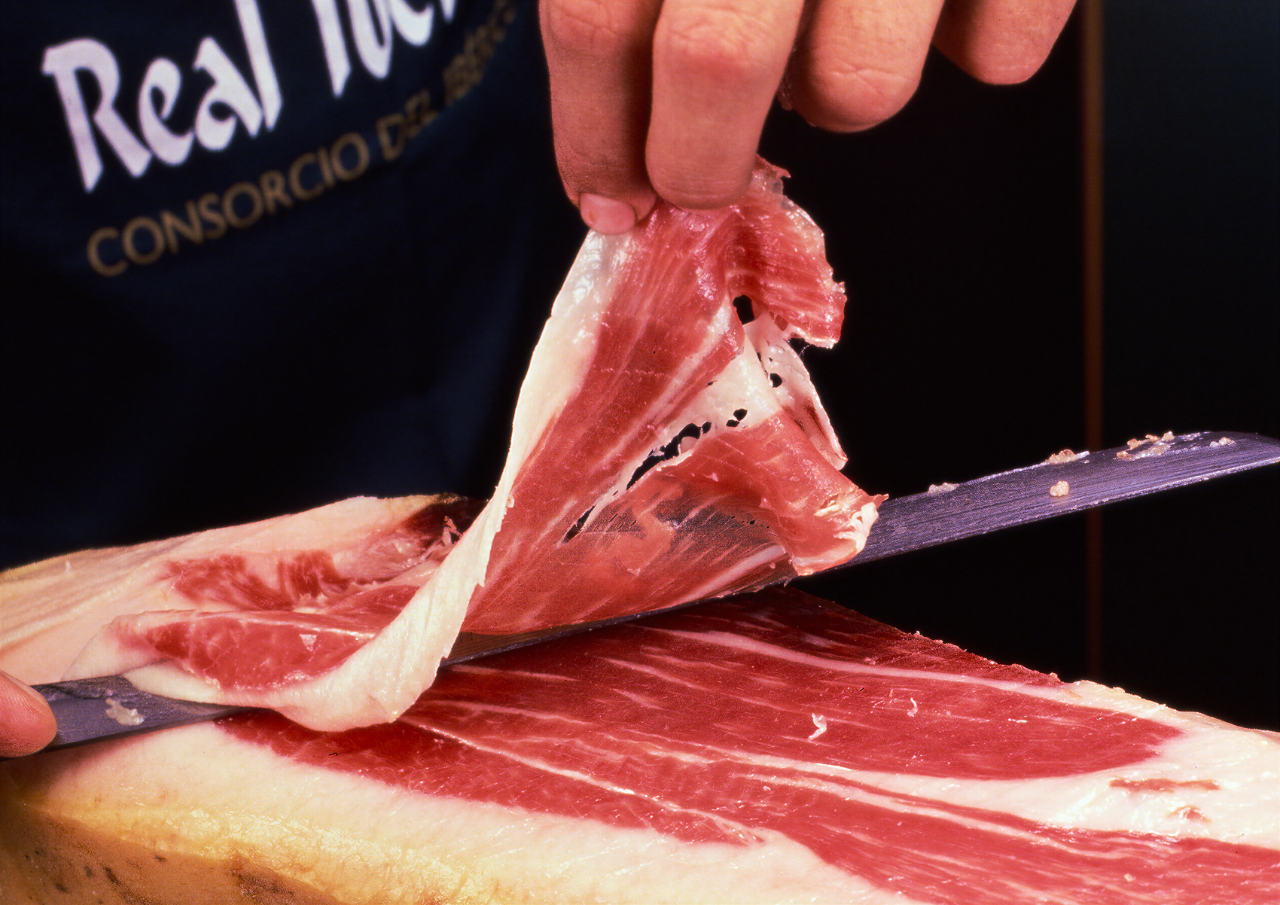
Premiumization is also a key part of the food as medicine trend. Consumer preferences are seeing a shift towards premium cured meats, such as jamón ibérico, and artisan cheeses, such as Manchego, which are grounded in traditional, artisanal production methods and adhere to strict quality control measures.The NoLo (no- and low-alcohol) beverage movement is seeing rapid global growth, with
Spain’s range of high-quality NoLo beers and wines at the forefront. Still, for those who do drink wine, Spain’s focus on organic, biodynamic winemaking that’s backed by centuries of tradition appeals to an international consumer base that respects nature, authenticity, and cultural heritage.