

Nov 06 2026
Santa Cruz de Tenerife Chosen as the Spanish Capital of Gastronomy 2027
Santa Cruz de Tenerife has officially been chosen as the Spanish Capital of Gastronomy for 2027, giving the island's capital a chance to showcase the flavors, traditions, and popular dishes that make Canarian cuisine – known locally as cocina Chicharrera – so uniquely special. The Canary Islands co-capital was chosen unanimously by a jury of tourism, culinary, and media representatives, making it the first Canary Island city to hold the title since the program began in 2012.
As Spanish Capital of Gastronomy for 2027, Santa Cruz de Tenerife will host a total of 137 gastronomic activities across 2027, involving local markets, high-end restaurants, traditional taverns, hotels, training centers, and producers. Events will include food festivals, culinary workshops, cooking competitions, gastronomic forums, and tapas routes.
Submitted under the slogan “Santa Cruz de Tenerife: cruce de sabores” (fusion of flavours), the project aims to highlight Canarian produce and the people behind the city's food sector, from chefs and restaurant staff to farmers, markets, hotels and training establishments, sharing Canarian gastronomy with the 8 million tourists from across Spain and the rest of the world who visit the Canary Islands every year.
Key Tenerife Products and Dishes
Papas Arrugadas
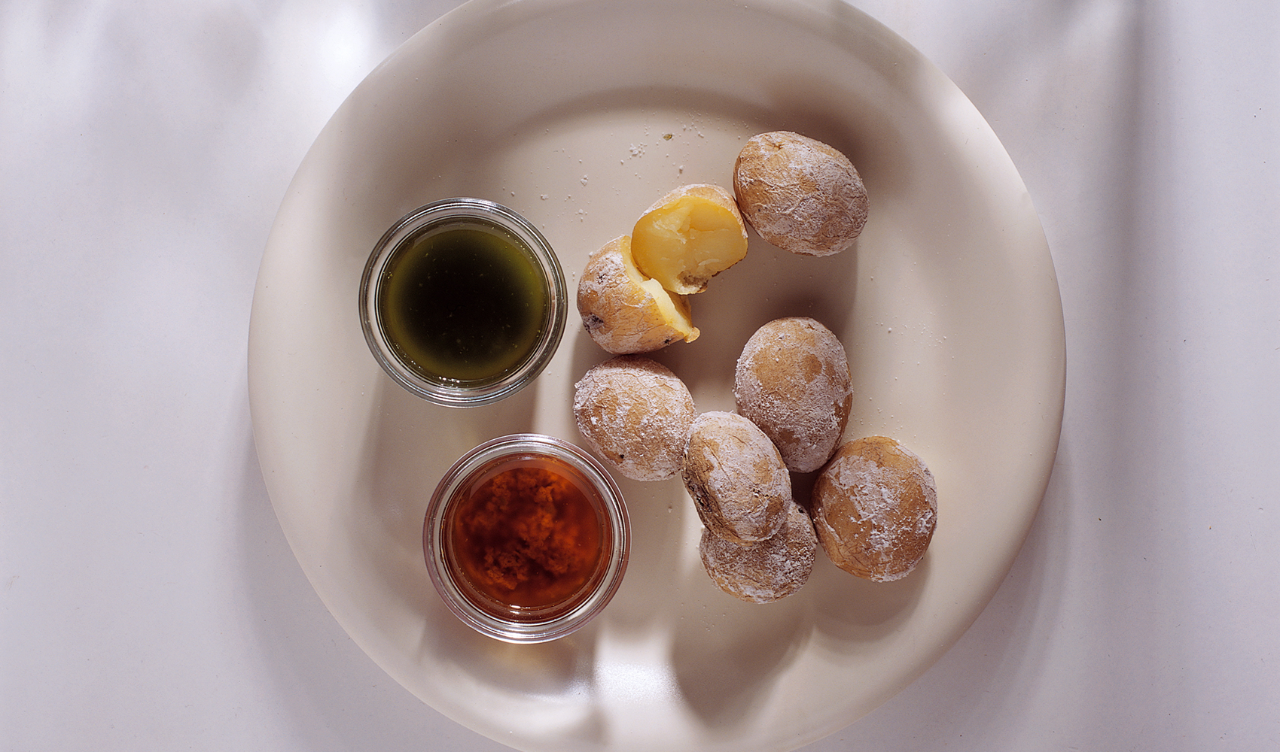
Expect Tenerife’s most iconic dish to feature heavily during Spanish Capital of Gastronomy 2027 festivities. Tenerife grows special varieties of potato, including the PDO Papas Antiguas de Canarias, which are boiled skin-on in heavily salted water to create a wrinkled texture and served with traditional sauces mojo verde (with cilantro and garlic) or mojo rojo (with tomato and pepper).
Gofio Canario
Gofio is one of the most emblematic of all Canarian ingredients. It’s a type of toasted cereal flour that is often flavored with sea salt and sometimes pulses, and is the protagonist in the beloved local dish Gofio escaldón. Here, the cereal flour is scalded with hot meat or fish stock, flavored with garlic and paprika, and typically served with ribs or cheese.
Tenerife Cheeses
Tenerife specializes in high-quality goat cheese and mixed goat-sheep cheeses shaped by the island's microclimates and volcanic terroir. Fresh cheeses (queso fresco) feature a thin white rind and a creamy, salty center when cut. Cured varieties are often flavored with gofio or pimentón, while some cheeses are smoked using local woods and almond shells.
Honey
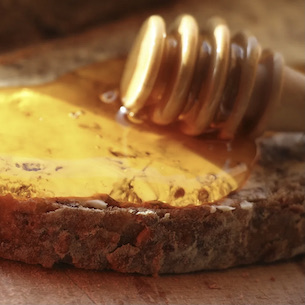
Tenerife has a history of honeymaking that dates back centuries. The diversity of honeys, from smooth and spiced to dark and bitter, owes a lot to the diversity of its flowers, many of which are endemic. The island’s locally produced honey holds its own protected status, PDO Miel de Tenerife.
Volcanic Wines
Local production around Santa Cruz de Tenerife is backed by five distinct Denominations of Origin, each one rooted in volcanic terroir. Tacoronte-Acentejo, Valle de la Orotava, Ycoden-Daute-Isora, Abona, and Valle de Güímar produce mineral-rich, award winning wines. From robust, smoky reds to tropical-tinged, fruity whites, each made from Tenerife’s unique grape varieties, expect to taste some exceptional wines at events in the Spanish Capital of Gastronomy 2027.
Meat and Seafood
Hearty meat dishes are a key part of gastronomy on the island. These include conejo en salmorejo (slow-cooked rabbit with garlic, paprika, and local wine), carne fiesta (pork marinated in garlic, herbs, paprika, vinegar and white wine), and ropa vieja (a hearty stew of shredded beef or chicken, chickpeas, and chopped potatoes).
Freshly caught Atlantic fish and seafood are a staple of Tenerife cuisine, including the likes of vieja (parrotfish), squid (potas), and local lapas (limpets).
Tradition, Innovation, and a Unique Way of Sharing
In his presentation to the jury, Mayor of Santa Cruz de Tenerife José Manuel Bermúdez Esparza said, “This proposal is crafted with all the ingredients that define our city: talent, tradition, innovation, and a unique way of sharing. We have been promoting gastronomy for years because it connects identity, territory, produce, and talent. Gastronomy is identity.”
Carmen Dolores Pérez Pérez, Councillor for Tourism and CEO of the Development Society, is spearheading the project. She added, “The planned activities are a statement of intent, designed to be savoured step by step, demonstrating that Chicharrera gastronomy is, above all, a shared endeavour that is cooked up as a team.”