.png.transform/rendition-xs/image_image%20(1).png "Feder")
Apr 02 2026
From Deep-Rooted Tradition to Modern Innovation, Why Pulses Are a Central Part of Spanish Cuisine
Spanish cuisine is, at its essence, all about simple ingredients prepared in a simple way. Pulses are perhaps the best symbol of the beauty of culinary simplicity, marking them as the unsung heroes of many of Spain’s best-loved dishes.
Long perceived as humble, traditional foods, pulses are becoming Spain’s beacon of innovation and modernity. They play a key environmental role in improving soil quality, driving the agricultural sector, and meeting the shifting demands of modern consumers.
Pulses have played a starring role in the Mediterranean diet for centuries. Today, long-standing agricultural practices inspire a vision for pulses as a powerhouse of Spanish cuisine – highly nutritious, sustainable, and delicious, with standards that are recognized and upheld under Protected Geographical Indications.
A wide variety of beans, lentils, and chickpeas are cultivated in every corner of the country. So, it was no surprise that the Spanish region of Castile and León was chosen as the setting for the eighth edition of World Pulses Day, a United Nations-designated day celebrating the heritage of the staple ingredient, as well as its positive impact on the future of our planet.

Quality labels for Spanish pulses
Spanish pulses are protected under EU law, with strict traceability and quality control regulations that ensure the highest standards of purity and quality. The PGI/PDO labels guarantee Spanish pulses have the highest quality texture and taste, with a combination of soft delicacy and robustness that makes them highly sought after by chefs all over the world.
Here are some of the best PGI/PDO pulses in Spain.
Beans
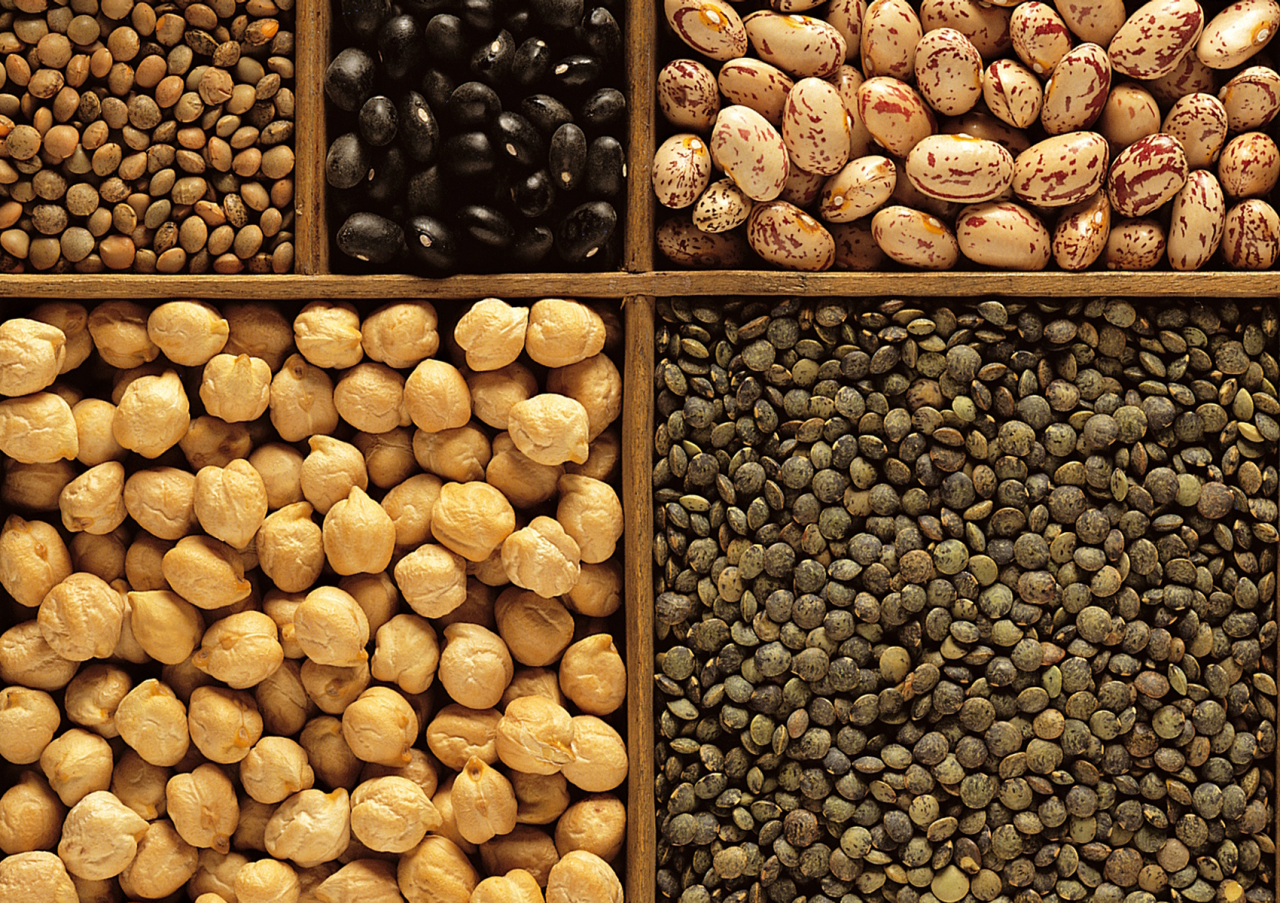
PDO Mongeta del Ganxet, a traditional variety from Catalonia, is sometimes referred to as“white caviar,” due to its creamy, buttery texture and mild flavor. They are small, white, hook-shaped beans (ganxet means little hook in Catalan), with higher protein and less starch than most white beans. These beans thrive in the Mediterranean climate of the Catalan coast.
PGI Faba Asturiana is the large creamy bean used in the famous Asturian dish fabada. The magic of this bean is its ability to soak up flavors while keeping its shape during cooking, which makes it perfect for a hearty stew.
Northwest of Madrid, in valleys bordered by the Sierra de Gredos and Sierra de Ávila mountain ranges, the PGI Judías de El Barco de Ávila is cultivated. The area’s unique microclimate and permeable soil produce perfect growing conditions for a bean with rich flavor and a buttery texture.
Lentils
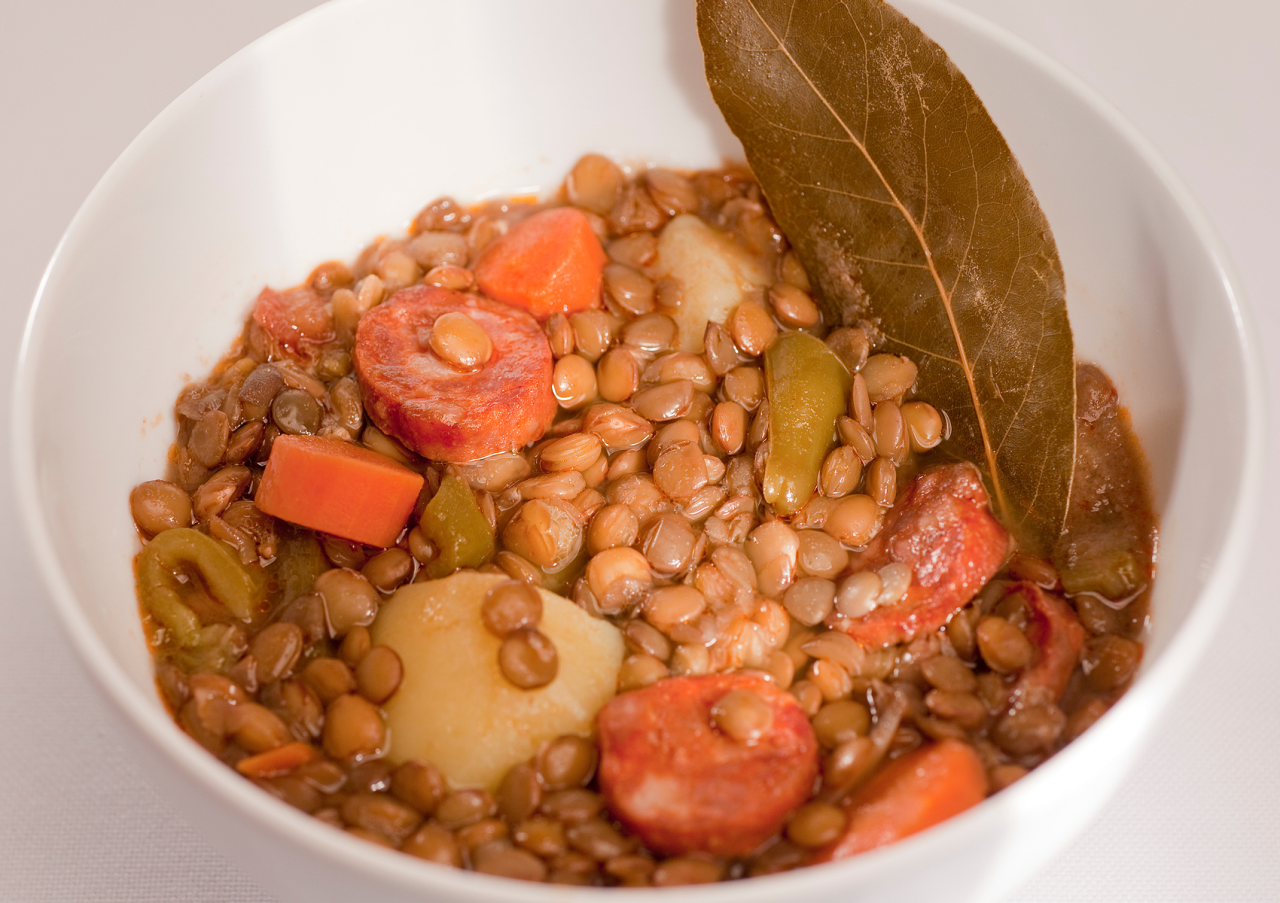
Renowned for its exceptionally high protein, iron, and calcium content, to 50% higher than other lentils, PGI Lenteja de La Armuña are smooth and delicate, yet remain intact during cooking. Their fine skin and buttery consistency melts in the mouth. The cold winters and hot summers of the La Armuña region in Salamanca, together with the fertile, alkaline soil, create an ideal environment for this prized lentil.
Cultivated in the key pulse region of Castile and León, PGI Lenteja de Tierra de Campos brings an intense flavor and high levels of iron and protein. Their versatility makes them ideal for everything from soups and stews to salads.
Chickpeas
Spain’s chickpeas (garbanzos) are renowned for their premium taste and texture, as well as their culinary versatility, driving global popularity. Produced in Zamora, Castile and León, the PGI Garbanzo de Fuentesaúco is mild, nutty, and creamy, with a low graininess. The skin remains attached when cooking, making them ideal for hearty stews and soups, such as cocido Madrileño.
PGI Garbanzo de Escacena is soft, tender, buttery on the palate, and full of flavor, also ideal for slow-cooked stews, as well as salads. Also known as ‘Blanco Lechoso’, these milky-white chickpeas are primarily grown in Andalusia. Their unique taste and texture comes from the potassium-rich tierra negra (black soil) in which they’re grown, in the Campo de Tejada between Seville and Huelva.
Heritage and tradition
The people of the Mediterranean have been cultivating and consuming pulses since the dawn of agriculture. The likes of beans and lentils were among the earliest domesticated crops, reliable, nutritious, and sustainable ingredients that were fundamental to the development of early Spanish societies.
These ancient roots have woven through the culture of the land, from the Middle Ages through to the 20th Century. During the Spanish Civil War era, pre-soaked, pre-cooked, canned pulses came to prominence. Women who had traditionally prepared dried beans, lentils and chickpeas in the home, had less time to do so, due to their increasing role supporting war-related volunteer activities.
In Spain, throughout the centuries, pulses have been traditionally paired with vegetables, drizzled with olive oil, or cooked into soups, stews, and purées, often served as an alternative to meat due to their exceptional nutritional value and high protein content.
Accessibility is also a major factor in the prominence of pulses. Spain's diverse soil types and warm, dry climate make it the perfect place for pulses to grow and mature. This has made it a hardy, reliable crop – an ever-present throughout Spain’s culinary story.
The future of Spanish pulses
It’s a story that continues to be written. As one of Europe’s second-largest consumers of pulses, Spain has the foundations in place to champion ingredients that are rich in heritage and imbued with the potential to positively impact the planet. Spain is shifting towards a more responsible, tech-based agri-food sector, one that is informed by science, cultivating collaborations between research institutions, groundbreaking FoodTech startups, and industry stalwarts.
The interplay between deeply-rooted tradition and modern innovation makes Spain such a culinary powerhouse. As famed Spanish chef Jose Andrés put it, “The modernity of yesterday is the tradition of today, and the modernity of today will be the tradition of tomorrow.”