.png.transform/rendition-xs/image_image%20(1).png "Feder")
Mar 13 2026
Spain’s Surge in Biodynamic Agriculture
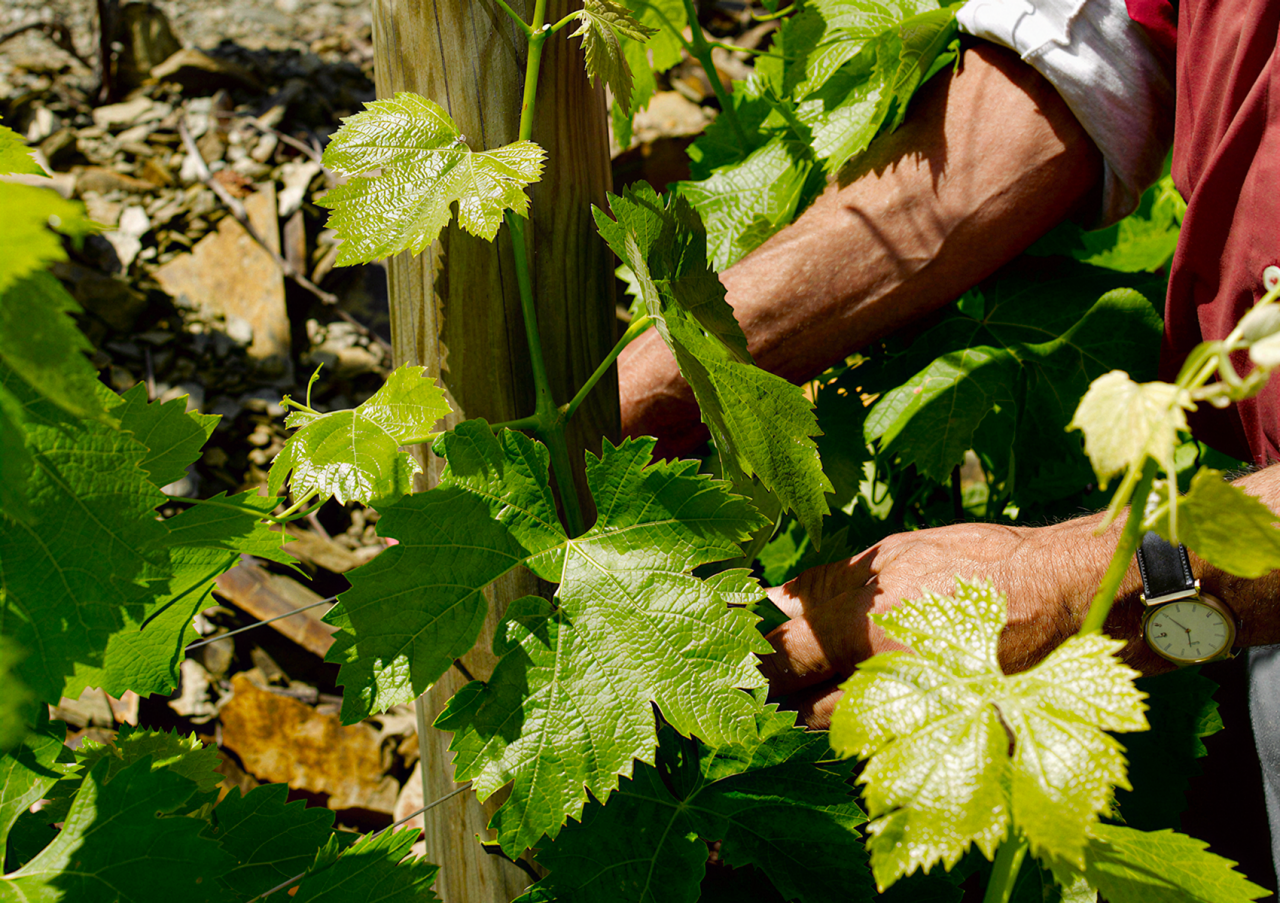
Biodynamic agriculture in Spain is undergoing a significant period of growth. What was once a niche practice carried out by a small number of farms and wineries is fast becoming a fully-formed sector, emphasizing the country’s burgeoning reputation as a leader in organic, sustainable farming.
The increase in biodynamic agriculture, and the potential of farming with respect for nature, were explored at a recent roundtable at Madrid Fusion 2026. Raquel Guembe, Demeter product and outreach coordinator at the Spanish Biodynamic Agriculture Association, was joined by David Cancela, head of biodynamic viticulture at Bodegas Mauro, and other influential industry figures to reflect on biodynamic agriculture and the growing threat of climate change.
Today, Spain is Europe’s largest producer of organic farmland, with almost 3 million hectares used for organic production. Much of this land is used for the cultivation of olives, olive oil, nuts (like the famous Marcona almonds), and, of course, wine grapes. The country is also renowned for cultivating fresh fruits and vegetables, with 25% of fruit consumed in Europe bearing the ‘Made in Spain’ label.
Following its explosive growth in Demeter certification over the past decade, Spain has embraced its role as a benchmark for biodynamic agriculture, showing an increasing commitment to excellence, transparency, and innovative sustainability.
The Rise of Demeter in Spain
Demeter certification represents the highest standard of ecological agriculture. Overseen by the Biodynamic Federation Demeter International, it certifies that a farm or vineyard operates as a single, self-sustaining ‘agricultural organism’, free from pesticides and synthetic fertilizers, and completely focused on natural, sustainable farming methods.
In the early 2000s, Spain began to experiment with biodynamic agricultural practices. One of the earliest pioneers of these methods was Casa Pareja, a historic family-based olive oil producer in Murcia, Southeastern Spain. Other farms across Andalusia and Extremadura began incorporating biodynamic practice and foodtech methods, as well as wineries like Finca Torremilanos in Ribera del Duero, Pinord in Penedès, and Dominio de Pingus in Ribera del Duero, overseen by wine pioneer Peter Sisseck, all of whom began adopting biodynamic winemaking methods.
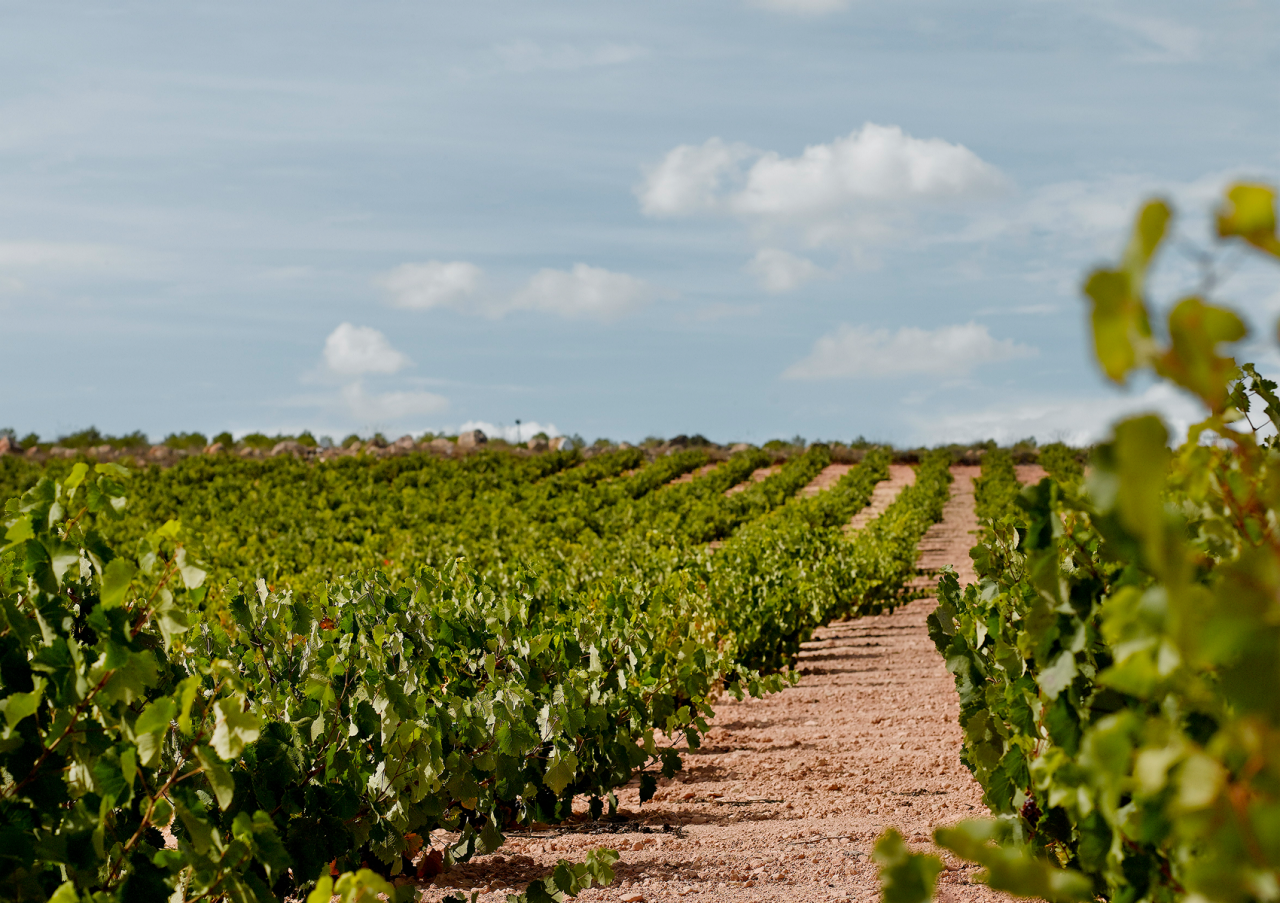
By 2013, Spain had been admitted as a full member of the Demeter International Biodynamic Federation. Today, there are around 3,500 hectares of Demeter-certified vineyards in Spain – a fifty-fold increase in under 25 years – the third-highest country biodynamic certified vineyard area. A total of 74 wineries currently hold full Demeter certification, with high-end Spanish companies, such as Bodega Marañones in Madrid, and Mallorcan winery Bodega Can Feliu, having recently achieved Demeter certification.
What’s more, Spain is currently the world’s fourth largest producer of Demeter-certified food, with 730 members including farmers, processors, and distributors in the country.
The Roots of Biodynamic Agriculture
The theories of biodynamic agriculture can be traced back to Austrian philosopher Rudolf Steiner. In 1924, he gave a series of lectures outlining the principles of a new, holistic approach to agriculture.
Steiner’s teachings were based on five key pillars:
- Appreciating a farm as its own interconnected organism, as opposed to a centre of production. Fertilizer must be manure-based, while crops must be used to provide feed for animals, producing a self-sustaining, cyclical system, as nature intended.
- Soil and plant life are enhanced using specific herbs such as chamomile, yarrow, and nettles.
- Everything revolves around cosmic rhythms. This includes the lunar and planetary cycles, which are believed to influence the growth and quality of plants and fruits.
- Surrounding woodlands and wetlands are regarded as essential elements of the overall ecosystem, creating ecological balance and ensuring optimal soil health.
While his principles were well respected at the time, they would prove hugely influential during the boom of biodynamic agriculture almost a century later.
Biodynamic vs Organic Agriculture in Spain
Both biodynamic and organic agriculture are dedicated to nature-based, chemical-free farming. However, while both principles prohibit the use of chemical and synthetic fertilizers and pesticides, there are key differences between the two.
Organic agriculture permits the use of natural fertilizer from external sources to replenish soil or enhance soil structure. However, biodynamic agriculture focuses on the farm or vineyard producing its own fertilizers within one self-contained system. This is achieved by strategic planning and preparation. Rather than simple sustainability, biodynamic agriculture seeks regeneration.
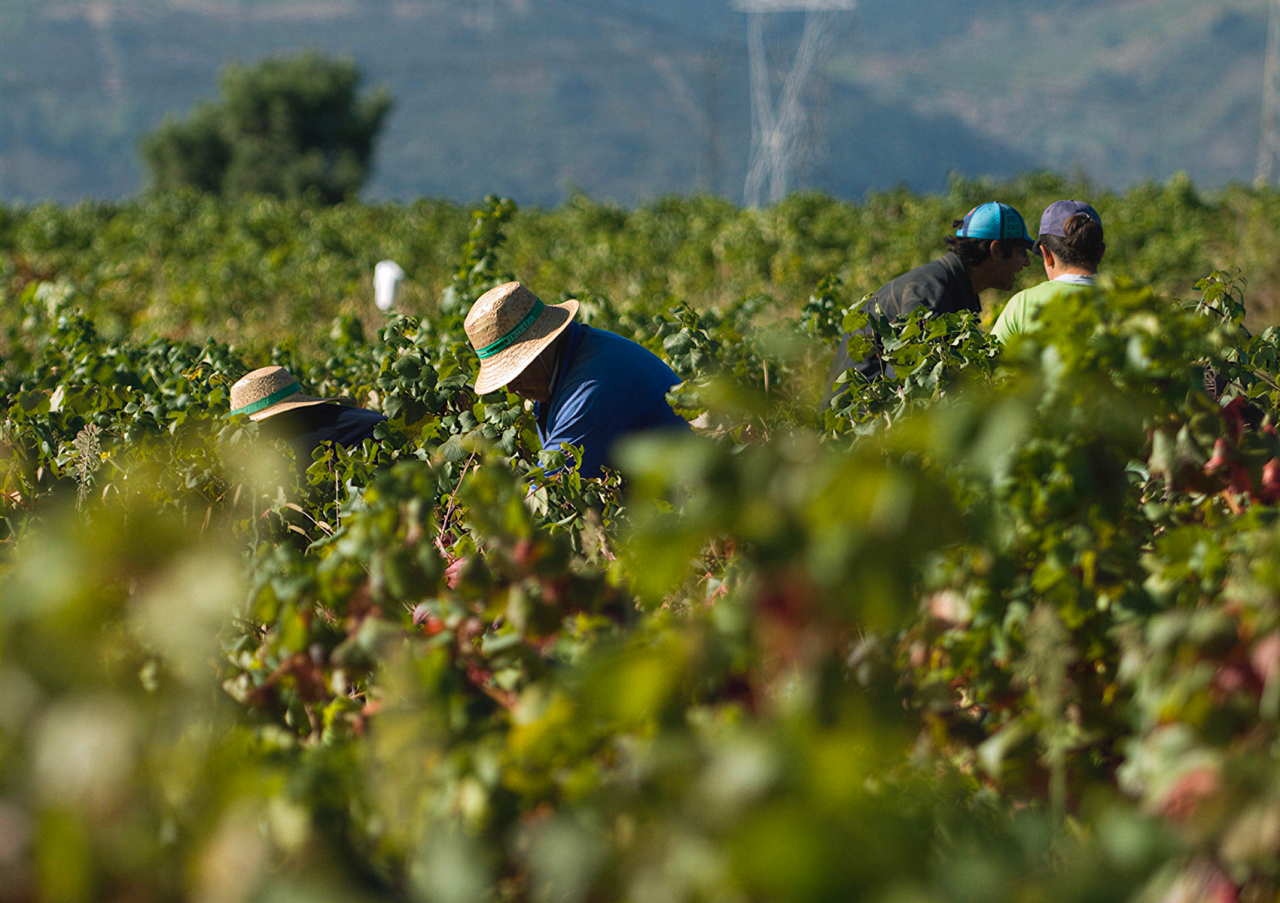
Biodynamic agriculture is more focused on natural rhythms, taking the astronomical calendar as a guiding factor, planting, cultivating, and harvesting based on lunar and celestial cycles. And while animal welfare and integration are important to organic farming, they are more stringently adhered to with biodynamic farming.
All of these precise measures and dedicated practices mean that, in Spain, the biodynamic Demeter certification is far harder to obtain than the EU Organic Seal.
The Future of Biodynamic Agriculture in Spain
Driven by an increasing environmental awareness and a growing consumer demand for authentic, all-natural products, Spain will continue to be a leading advocate for biodynamic agriculture.
With the ever-increasing trend towards biodynamic food and viticulture across each of the country’s regions, the number of Demeter certifications is expected to grow significantly in the coming years.
In terms of winemaking, while DO Penedés recently became the world’s first fully-certified organic wine region, Spain’s DOs are now looking to break new ground – it won’t be long before one of them becomes the world’s first fully Demeter-certified wine region.
Once again, Spain looks to the past to inform its future. Using 100-year-old principles, the country is venturing beyond organic farming, embracing time-honoured techniques that align with the idea that, as humans, we are inherently part of nature.