.png.transform/rendition-xs/image_image%20(1).png "Feder")
Apr 27 2026
From Masterchefs to Overseas Markets: Why Iberian Lard is Such a Big Deal
With consumers increasingly favoring natural, nutrient-rich, artisanal products, it comes as no surprise that Iberian lard (manteca ibérica) is the latest Spanish super ingredient making waves, both within Spain and within international markets.
Iberian lard is a white, creamy fat obtained by rendering the fatty tissues from free-range Iberian pigs, whose diet consists mainly of acorns. This produces extremely healthy, nutrient-dense fat. Much like olive oil, this fat is exceptionally rich in monounsaturated oleic acid (over 50%), an omega-9 fatty acid.
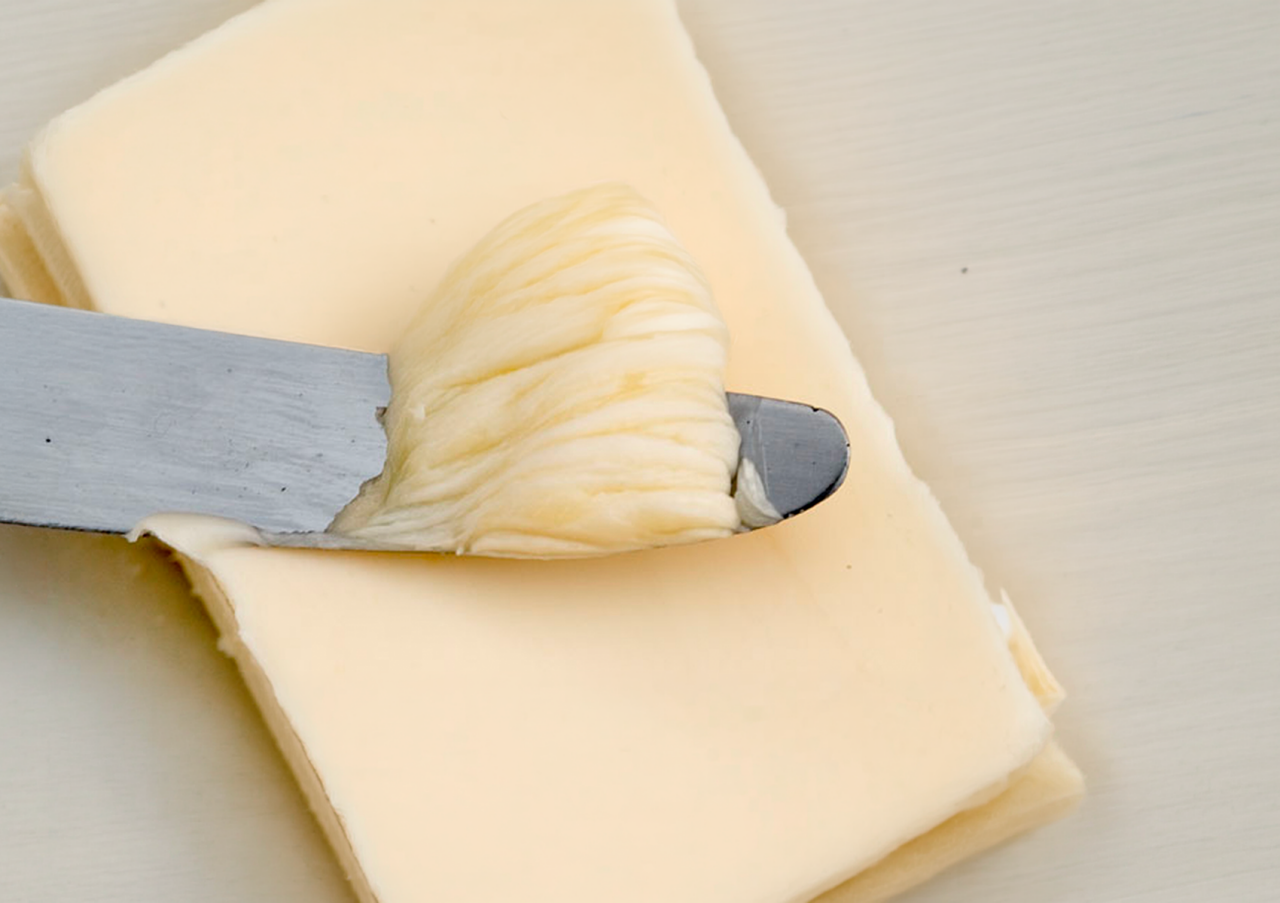
It offers an intense, nutty flavor, with a lower melting point compared to some other animal fats – typically around 38°C and 42°C. This gives it a wonderfully creamy consistency and a unique quality of melting in the mouth upon contact with the palate, making it highly versatile for spreading, frying, or traditional baking.
Organically certified production
Iberian pigs are raised under an extensive rearing system in traditional dehesa environments in Extremadura and Andalusia. These human-managed, savannah-like landscapes blend oak forests, pasture, and farmland to create the ideal environment for farming free-range, sustainable livestock.
During the montanera season, pigs are fed on acorns. Throughout the rest of the season, they are fed 100% certified organic feed, free from GMOS. During the production process, the lard is obtained by rendering the fat and bacon, generating a clean, fully-flavored fat.
Rigorous quality control checks are carried out throughout the process to ensure the product meets the highest standards.
Popular uses
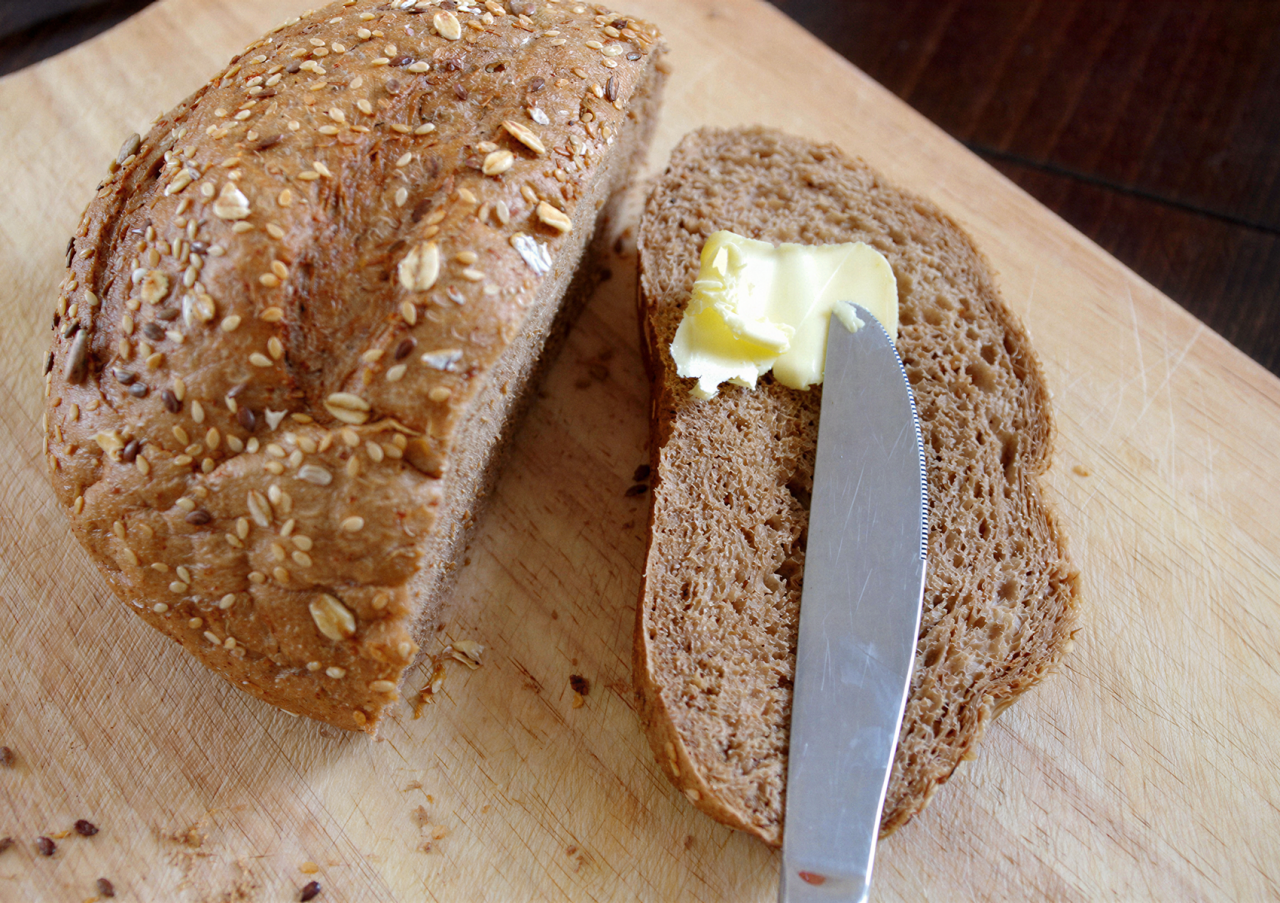
Iberian lard is commonly used as a spread on traditional breakfast dishes. It’s typically spread on toast, either plain or flavored, as in the classic Andalusian breakfast manteca colorá, (lard seasoned with Pimentón de la Vera – Spanish paprika – and pieces of pork).
It’s also used as flavor maker in various dishes such as lomo en manteca (pork loin), zurrapa de lomo (shredded pork), and tuna loin (atún en manteca), while Iberian lard also adds rich flavor and creamy texture to stews such as beef, lamb, or goat.
Due to its high smoke point, Iberian lard is ideal for frying at high temperatures, making it less likely to oxidize or produce harmful byproducts compared to many vegetable oils. This makes it perfect for frying classic Spanish dishes such as tortilla de patatas, as it produces a wonderfully crispy finish and deep flavor.
Innovations
The use of Iberian lard is revolutionizing high-end pastry making. At the center of this culinary innovation is Ricardo Vélez, one of Spain’s most respected pastry chefs and chocolatiers, globally renowned for his work within traditional French haute patisserie.
Chef Vélez has pioneered a technique that uses Iberian lard in favor of traditional butter to create lighter, more flavorful puff pastries. The melting point of Iberian lard and its texture and elasticity enable more precision, enabling chefs to find ever more creative ways to utilize it. These attributes inspired Chef Vélez to create what he called “the best chocolate palm cake in the world.”
International markets
The Spanish lard market aligns with an increasing consumer preference for premiumization. Spanish export prices of lard have a significant premium over import prices, suggesting a focus on higher-value export markets.
Spanish producers export Iberian lard to a wide variety of international markets, with a strong presence throughout the EU, with France, Germany, Italy, Portugal, and the Netherlands all key destinations for Spanish pork fat products. There’s also a growing demand across Asia for high-quality Iberian pork products, including Iberian lard, notably in China, Japan, Vietnam, and Singapore.