.png.transform/rendition-xs/image_image%20(1).png "Feder")
May 14 2026
Regional Spotlight: The Culinary Magic of Castile and Leon
The region of Castile and León in northern Spain is rich with gastronomic treasures. Locals take pride in products born from centuries of tradition, with dishes that showcase simplicity and authenticity, letting the ingredients take center stage.
This is a land characterized by a vast, high plateau – la meseta – encircled by a series of mountain ranges – a unique geographic setting that forms the perfect conditions for an array of exceptional food products.
And while visitors from abroad flock to Spain’s capital and coastal cities, Spaniards know all too well the unique appeal of Spain’s largest autonomous community. Castile and León’s famous cuisine honors the past while striving for new expressions of creativity and ingenuity. At the heart of everything is a deep reverence for the land, the soil, and the ingredients, as well as the generations who have dedicated their lives to this fertile region.
Standout Products From Castile and Leon
Meat
Castile and León is perhaps best known for its exceptional meats, with artisanal traditions that stretch back thousands of years and showcase the simple beauty of Castilian peasant gastronomy. These meats, many of which are protected products, are often roasted in wood-fired ovens or air-dried and matured in a mountainous climate that produces uniquely flavored cured meats.
The region’s most famous cured meat is perhaps PGI Cecina de León, a premium cured beef ham highly prized for its intense flavor, achieved through an oak wood smoking process and six-stage maturation. Another, Ibérico ham from PDO Guijuelo, is renowned for its delicate, nutty, and slightly sweet flavor that melts on the tongue. Produced in Salamanca, this ham benefits from the region’s cold winter climate, enabling a longer curing process with less salt needed.
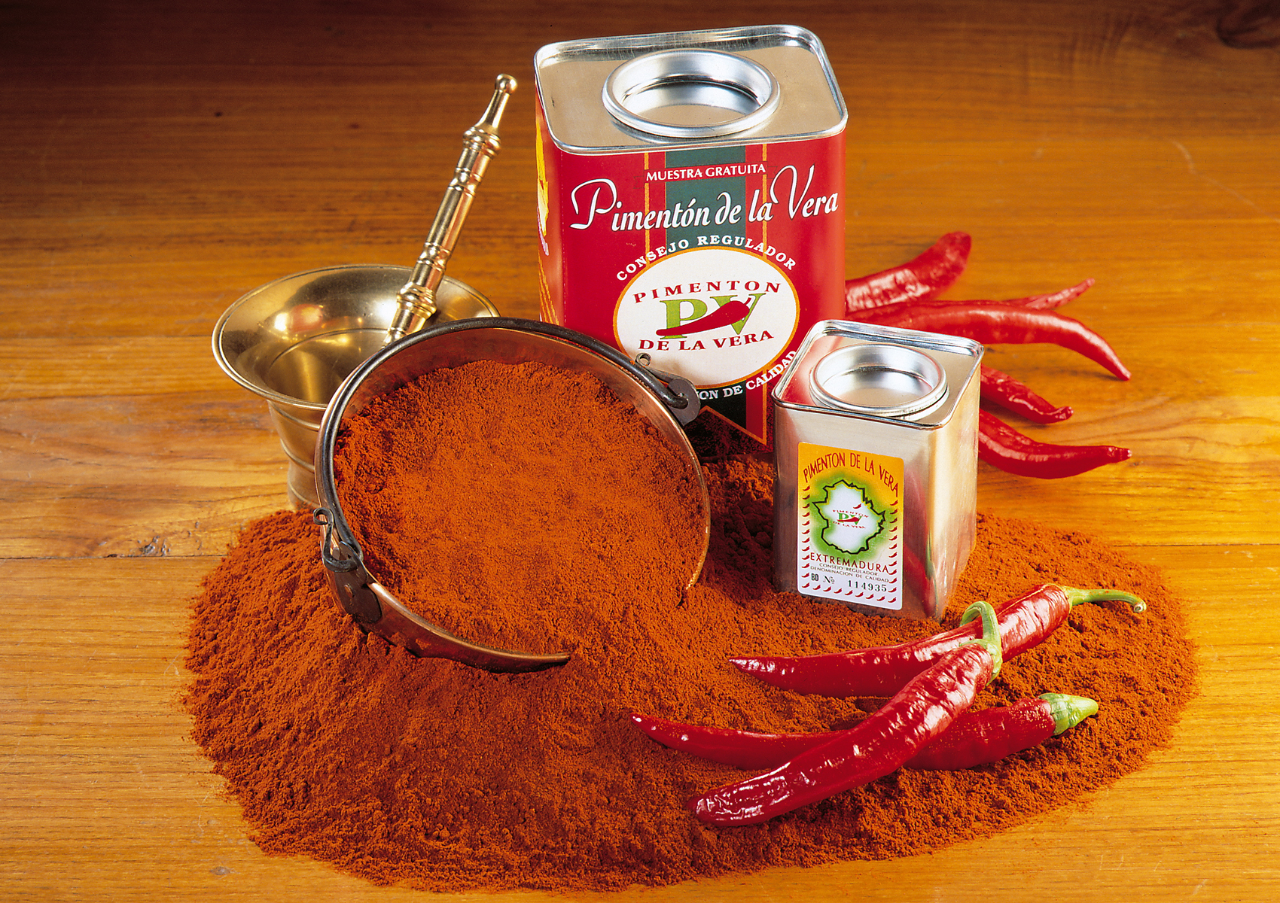
Cured sausages are hugely popular in Castile and León, especially the PGI Chorizo de Cantimpalos, a sausage made from fresh fatty pork, salt, and Pimentón de la Vera (Spanish paprika), and the Morcilla de Burgos, a black sausage made from pork blood, onion, rice, and spices.
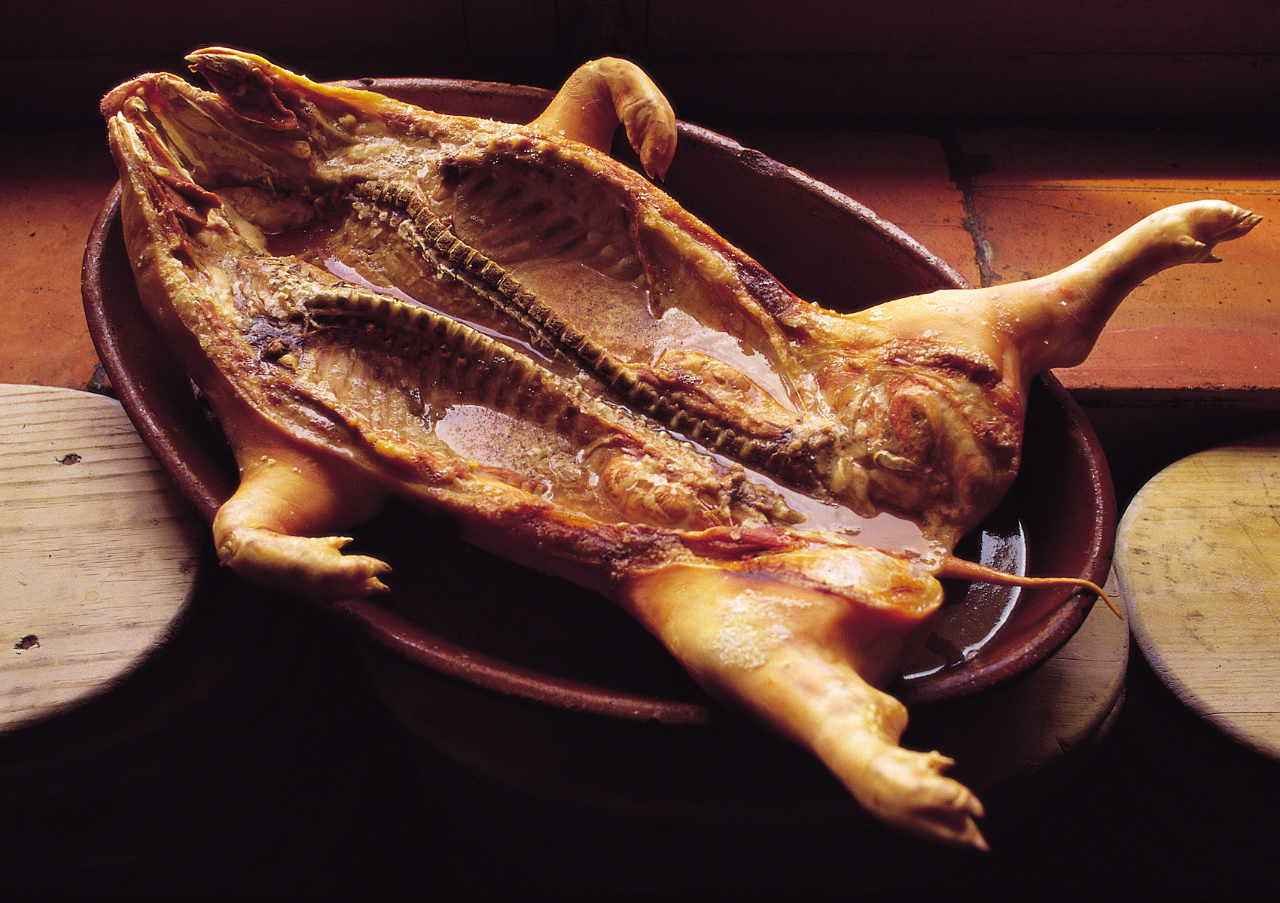
Castile and León’s suckling lamb, PGI Lechazo de Castilla y León, is renowned throughout the whole of Spain for its extremely tender, premium meat with very little intramuscular fat. Similarly, Cochinillo de Segovia (roast suckling pig) offers an extremely tender texture that melts in the mouth. The cochinillo is typically roasted in brick ovens, producing a crispy skin to complement the buttery soft meat.
The region produces heritage Iberian meat such as PGI Carne de Ávila, beef from the native Avileña-Negra Ibérica breed, and PGI Morucha de Salamanca, from the Morucha cattle raised in the freedom of the dehesas (meadows) of Salamanca. The former is used to perfection at La Cúpula de El Capricho, a culinary experience near León that was awarded first place in the World’s 101 Best Steak Restaurants 2026.
Cheese
Castile and León’s standout cheese is the wonderfully flavorful Queso Zamorano PDO cheese. Made from the milk of Churra and Castellana sheep from the province of Zamora in the heart of the plateau, this cheese has had protected status for over 30 years. A hard texture gives it a satisfying bite, while the distinctive flavor marries a deep savory flavor with nutty tones and has a hint of spice.
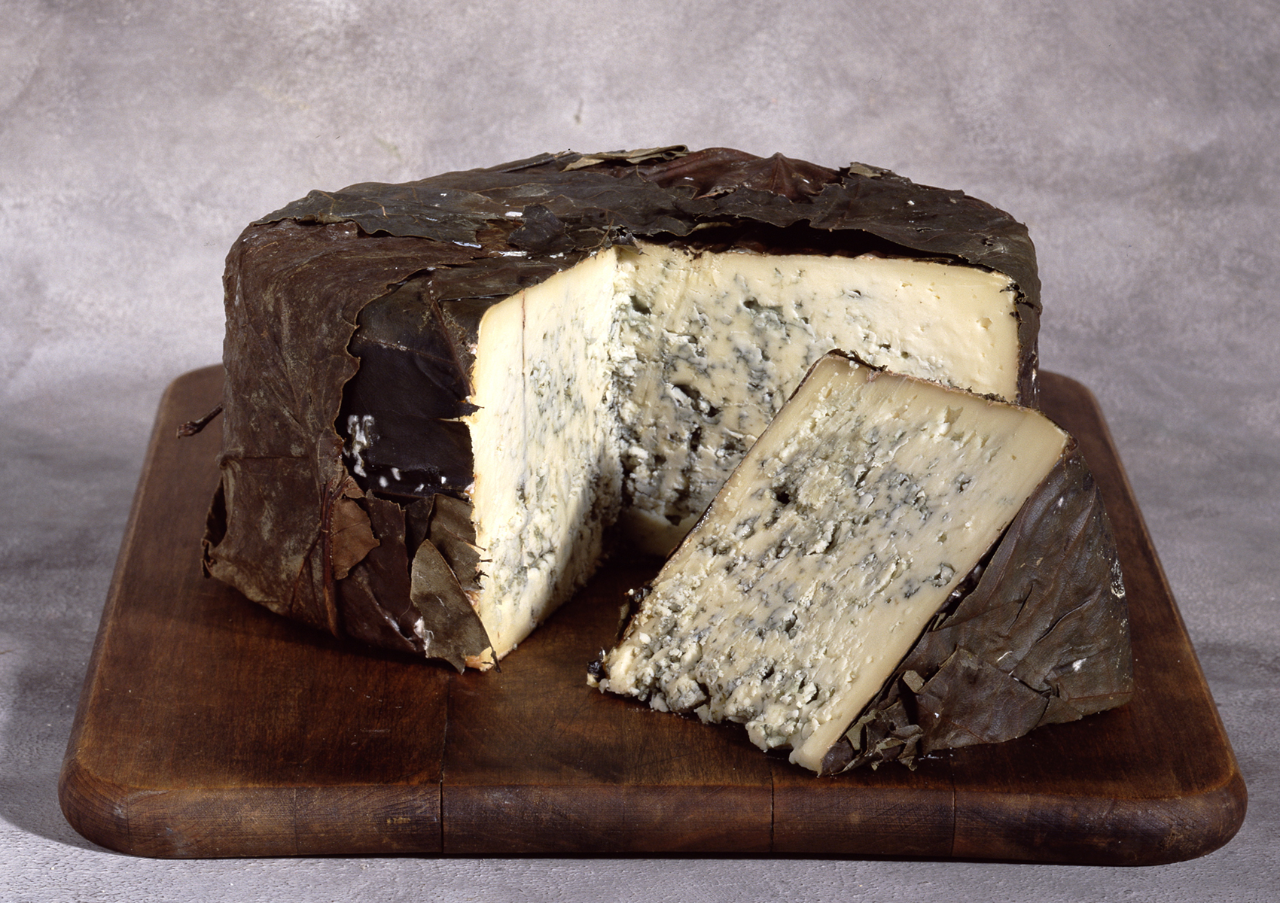
The pungent blue cheese PGI Queso de Valdeón is a blend of cow and goat milk, often wrapped in the leaves of local sycamore trees. Historically, this cheese was left by shepherds to mature in the caves that pepper the foothills of the Picos de Europa, northwest of León. Slightly acidic and salty, with a tinge of spice on the tongue, the intense flavor is enhanced by a caramelized aroma.
IGP Queso Castellano is the latest cheese from Castile and León to secure protected status. Made from raw or pasteurized sheep's milk from the Churra or Castellana breeds, IGP Queso Castellano is typically matured for at least 30 to 60 days. Some variations are aged for over a year. The flavor is intense to highly intense, depending on the maturation period, with notes of roasted nuts and herbs, as well as a little spice.
For those who prefer less heat, Burgos cheese is milky and mild, traditionally made from just ewe’s milk but today commonly blended with cow’s milk. Another mild sheep’s cheese, Villalón, has a slightly salty, sweet, and milky flavor.
Pulses
Pulses are central to Spanish cuisine, and in no other region is that so apparent as in Castile and León. It’s the leading region for quality pulses in Spain, boasting seven distinct quality certifications.
Perhaps the most prized plant-based ingredient across the entire region is the humble lentil. The PGI Lenteja Pardina de Tierra de Campos brings intense, earthy flavor, with high levels of iron and protein that have made it a staple of the Castilian diet for generations. Their culinary versatility makes them ideal for everything from stews to salads.
Yet, the appeal of these earthy lentils goes beyond versatility. One of the region’s best chefs, Luis Lera, places this particular lentil, cultivated in his home region, as the protagonist, with his refined, elegant dishes, such as lentils with Mallard duck.
La Armuña in Salamanca is the perfect environment to cultivate lentils. Cold winters and long hot summers, as well as fertile, alkaline soil, create the ideal conditions for the PGI Lenteja de la Armuña, prized for its high protein, iron, and calcium content (around 50% higher than standard lentils), and buttery consistency that melts in the mouth.
Produced in Zamora, the PGI Garbanzo de Fuentesaúco is a staple ingredient in the classic dish cocido Madrileño. Its mild, nutty flavor and low graininess make it ideal for hearty, slow-cooked dishes, much like the Alubia de la Bañeza-León, which is buttery, smooth, and slightly floury.
Vegetables, Fruits, and Nuts
Castile and León is renowned for high-quality, PGI-protected vegetables, fruits, and nuts, particularly throughout León, Valladolid, and Zamora.
Fresno de la Vega, just south of León, is known for cultivating large red peppers known as PGI Pimientos de Fresno-Benavente. Juicy and medium-sweet, with little to no bitterness, they are ideal served raw in salads or roasted and served as a side with meat and fish dishes. PGI Pimiento Asado del Bierzo is a slightly bitter pepper with a smoky, mildly spicy flavor, presented roasted, peeled, and packaged.
The region’s premier fruit is the apple PDO Reineta del Bierzo, popular for its tangy flavor, often used in apple tarts, jams, and biscuits, or simply baked and served with butter and sugar.
Valladolid is the major producer of premium pine nuts in Spain. Valladolid pine nuts are prized for their buttery, delicate flavor, which is achieved by a traditional sun-drying method. Known as soleado Castilla, it lets pine cones open slowly, protecting the seeds and ensuring maximum freshness. Valladolid pine nuts are used with savory foods, adding richness to sausages, and when sprinkled over stews. They are also a key ingredient for traditional pastries.
Wine
Castile and León has more wine denominations than any other region in Spain, with a total of ten DOs and four VCs (vinos de calidad) and VPs (vinos de pago). The region’s primary white wine appellation is DO Rueda. Characterized by its Verdejo grapes, continental weather, and gravelly soils, DO Rueda was made a DO back in 1980, making it the first in the region.
Located south of Burgos, DO Ribera del Duero is renowned for its high-quality, aged red wines, made primarily from the Tempranillo grape.
DO Toro is known for its powerful, intense red wines from the Tinta de Toro grape, while DO Bierzo’s red wines come from the Mencía grape, characterized by their slate-soil minerality. For high-quality rosés, look to DO Cigales, while DO Tierra del Vino de Zamora and DO Tierra de León bring exceptional, well-rounded wines of both the red and white variety.
Much like the food of the region with which it pairs so well, Castile and León wine has deep roots. The regions’ original vineyards are believed to date back to Roman times, with significant early cultivation enhanced by the appearance of monasteries in the 10th Century. By the 15th century, Castile and Leon’s viticultural foundations were firmly established, setting the stage for the region to become a cornerstone of Spanish winemaking – a status that persists to this day.