
Nov 05 2026
Spanish Sardine Conservas: Treasure in a Can
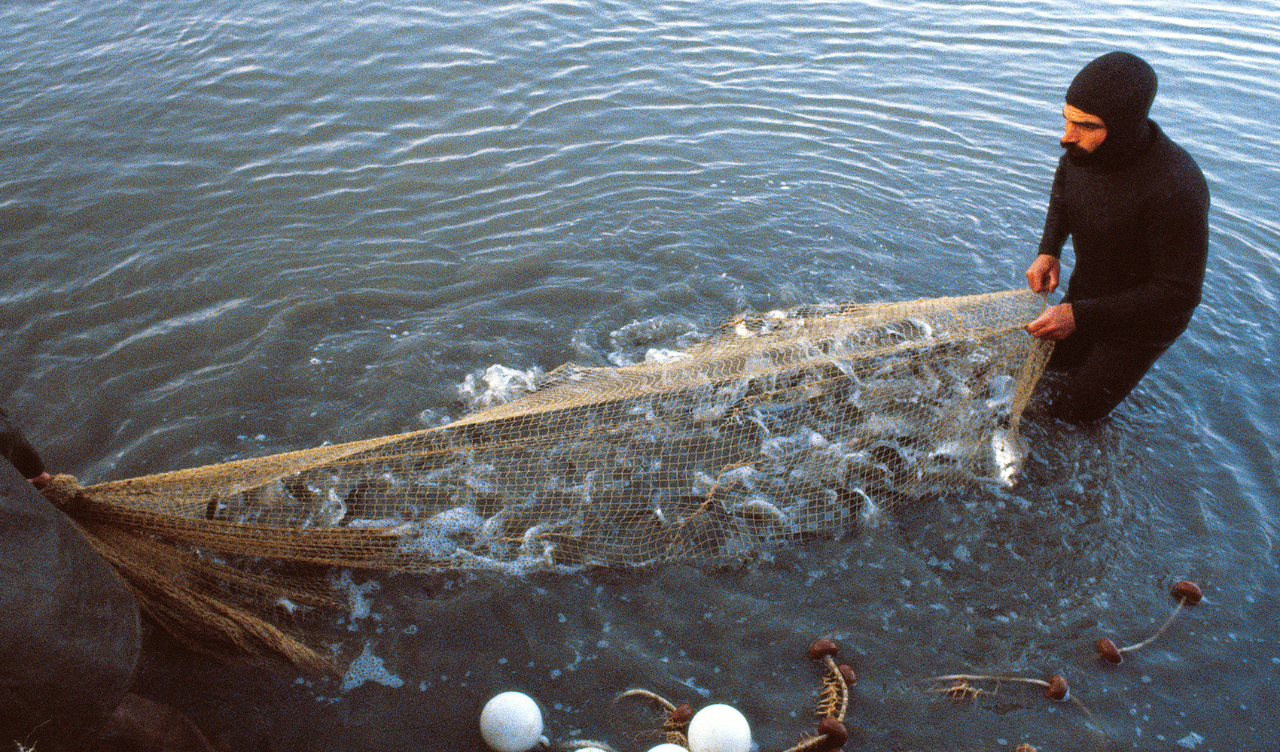
They rise before the sun, setting out to sea while the town is still asleep. These are Spain’s most skilled sardine fishermen, from the Bay of Biscay to Galicia’s Atlantic estuaries, driven by age-old traditions and the thrill of the catch as they haul in tons of silvery fish under pre-dawn skies.
It’s a trade that demands precision, stamina, and speed, not to mention a deep respect for the sea. Intricate nets, sonar systems, and human ingenuity all play their part as the fishermen encircle the shoal, taking the utmost care with their catch. These sardines are destined for a gourmet can – a Spanish preserve or ‘conserva’ – an industry that dates back over 150 years and is revered the world over.
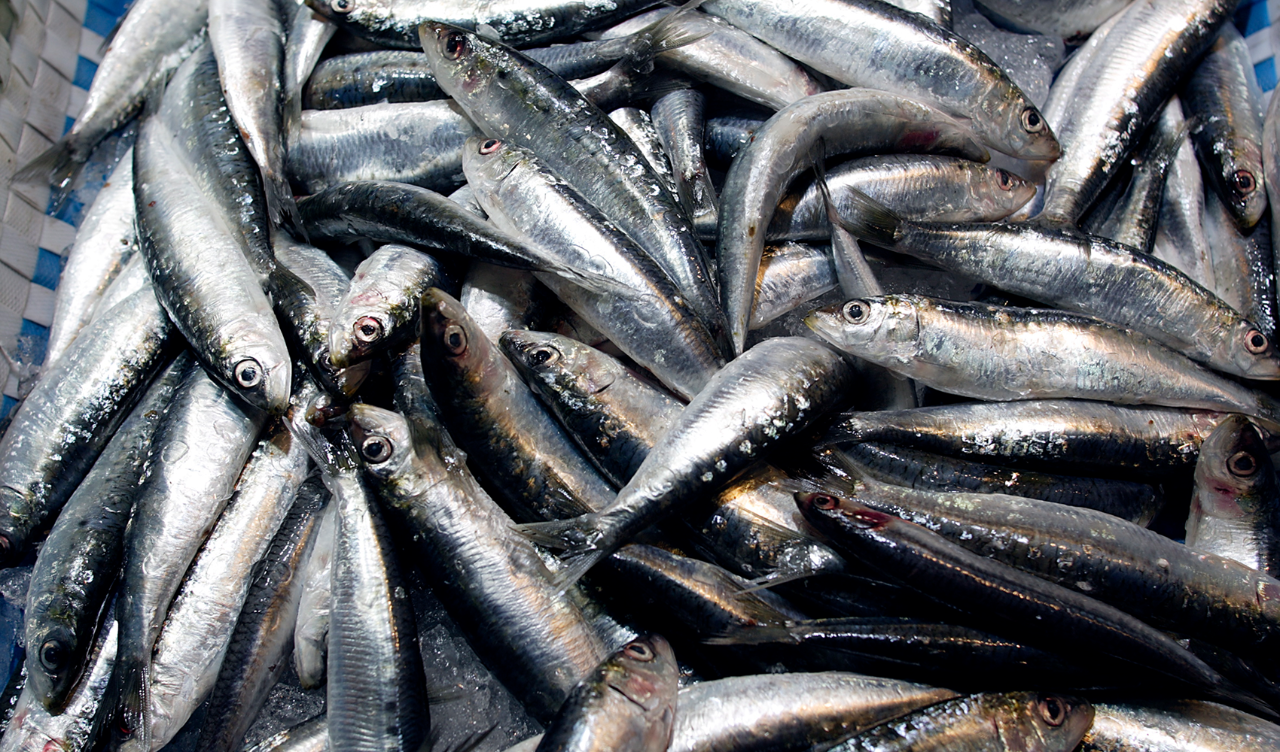
These culinary jewels must not lose a single scale during their journey from sea to can. They are plunged into a mixture of seawater and ice the moment they emerge from the sea, maintaining their firm flesh and shiny skin.
As the morning light glints along the shore, the fisherman return with their catch. The sardines are sorted by size as buyers from local canneries gather at the fish market, awaiting the day’s prize.
From Time-Honored Delicacy to Modern Trend
Recent years have seen a boom in the global popularity of sardines. Still, what might seem like a trend for the rest of the world is, for Spaniards, a deeply rooted part of their heritage.
Spain is the largest consumer of preserved fish and seafood in Europe and the second largest producer, with sardines accounting for roughly 10% of Spanish tinned fish. Galicia, Cantabria, and the Basque Country are the principal production hubs, with specialized canneries scattered along the coastline.
What was once a functional food produced in a country where affordable nutrition could be scarce has since become a true gourmet ingredient, one that’s prized for its exceptional quality. Today, Spanish sardines are sought after by everyone from TikTok ‘tinfluencers’ to Michelin-starred chefs. And while it’s easy to bemoan the sardine’s status as a star of social media, the global public’s newfound appreciation for conservas is something to be celebrated.
A Nutritious, Delicious, and Sustainable Sardine
The Atlantic sardine (Sardina pilchardus) is sourced from the nutrient-rich waters of Galicia and the Cantabrian coast. Rich in vitamins, protein, and calcium, these sardines are also an excellent source of Omega-3 fatty acids, which help lower blood pressure and support heart and brain health.
Smaller sardines are known as sardinillas. These are the ideal kind for conservas. They have a mild, subtle flavor, with a meaty texture that’s ideal for soaking up the complex flavors of a high-quality extra virgin olive oil (EVOO). They age like fine wine, developing a rich, buttery flavor with subtle notes of nuts and pepper as they absorb the olive oil. A can of sardines aged in EVOO for two years or more has a flavor that cannot be matched by one fresh off the shelf.
Spanish sardines have been certified as ‘sustainable’ by the Marine Stewardship Council (MSC) following a major recovery from past stock collapses. Deep-rooted maritime traditions and a willingness to evolve and put sustainable management plans in place mean the future is bright for Spanish sardine production.
The Evolution of Heritage
The first Spanish canneries reportedly emerged in the 1840s following a shipwreck of a French sailboat off the coast of Finisterre, Galicia. Spanish workers at the fish salting factories were amazed by the small tins of preserved fish the French carried with them on board.
Before long, local Galician communities were employing the same canning techniques, with several canneries springing up along the coast. The first is thought to have been Caamaño, historically known as La Noyesa, founded in Noia around 1850. Fábrica de Conservas Goday is widely recognized as the first modern cannery in Spain, its use of steam engines and cutting-edge preparation techniques helping it to become the official supplier of conservas to the Spanish Royal Family.
Today, there are more than 200 specialized canneries in the country, from global multinationals to small, centuries-old family workshops, the vast majority found in towns along the Galician, Cantabrian, and Mediterranean coast.
Premium Spanish Canned Sardine Brands
Spain’s top canned sardine brands have a popularity that extends far beyond Spanish shores. Founded in 1920, Real Conservera Española is a multi-award-winning brand based in Cambados, Galicia. Their hand-packed sardines are lightly toasted and preserved in premium EVOO. Some come with a slice of lemon peel to add a hint of zestiness, while others come with an added guindilla chili pepper for an extra hint of picante. You’ll find Real Conservera sardines at Spanish specialists throughout the UK, the US, Europe, and Asia.
Online importer La Tienda, based in the United States, stocks some of the biggest Spanish sardine brands on the global market. The first is Ortiz (Sardinas a la Antigua). Founded in 1891 in the Basque fishing village of Ondarroa, it’s one of Spain’s oldest canneries.
Today, Ortiz is renowned for its meaty, melting soft sardines and eye-catching, retro-style, yellow and blue can design inspired by the brand’s 19th-century heritage. In the UK, major supermarkets such as Waitrose also stock Ortiz. If you’re in London, you’ll find Ortiz sardines at Garcia and Sons, set on London’s famous Portobello Road in the upmarket borough of Notting Hill. This renowned Spanish store also stocks the prestigious brand Albo. Founded in 1869, it’s the official supplier of the Vatican and the Spanish Royal Family.
La Tienda also stocks Matiz sardines, a brand that is commonly found across natural food and specialty grocery stores in the US. Matiz sardines are plump, tender, and rich, imported into North America by Culinary Collective, a US-based company that sources its products from small-scale, independent family canneries in Galicia.
Also in the States, Despaña stocks Ar de Arte, a Batea Foods brand, as well as La Luliña and La Curiosa (with truffle-infused EVOO), all of which source their sardines from the Arousa Estuary within Galicia’s Atlantic waters.
Conservas Ramón Peña, from Cambados in Galicia, produces a range of three distinct products. The first is a standard sardinilla in rich EVOO. They also produce stewed sardines, known as Xoubas, which are coated in flour and fried in olive oil before being flavored with a Galician recipe prepared from scratch using fresh vegetables. Notably, they also sell a limited edition can featuring sardines sourced from Rianxo and Cambados, caught using the traditional ‘Xeito’ fishing method.
Other common Spanish sardine brands found in gourmet stores across the US, the UK, and Europe include Conservas La Brújula and the ‘Galicia’ brand, produced by Conservas Cermar.
You’ll also find famous brands sold at specialty shops known as ‘colmados’ around the world. Search for your nearest colmado here.
Tinned Sardine Recipes: From Light Bites to Fine Dining
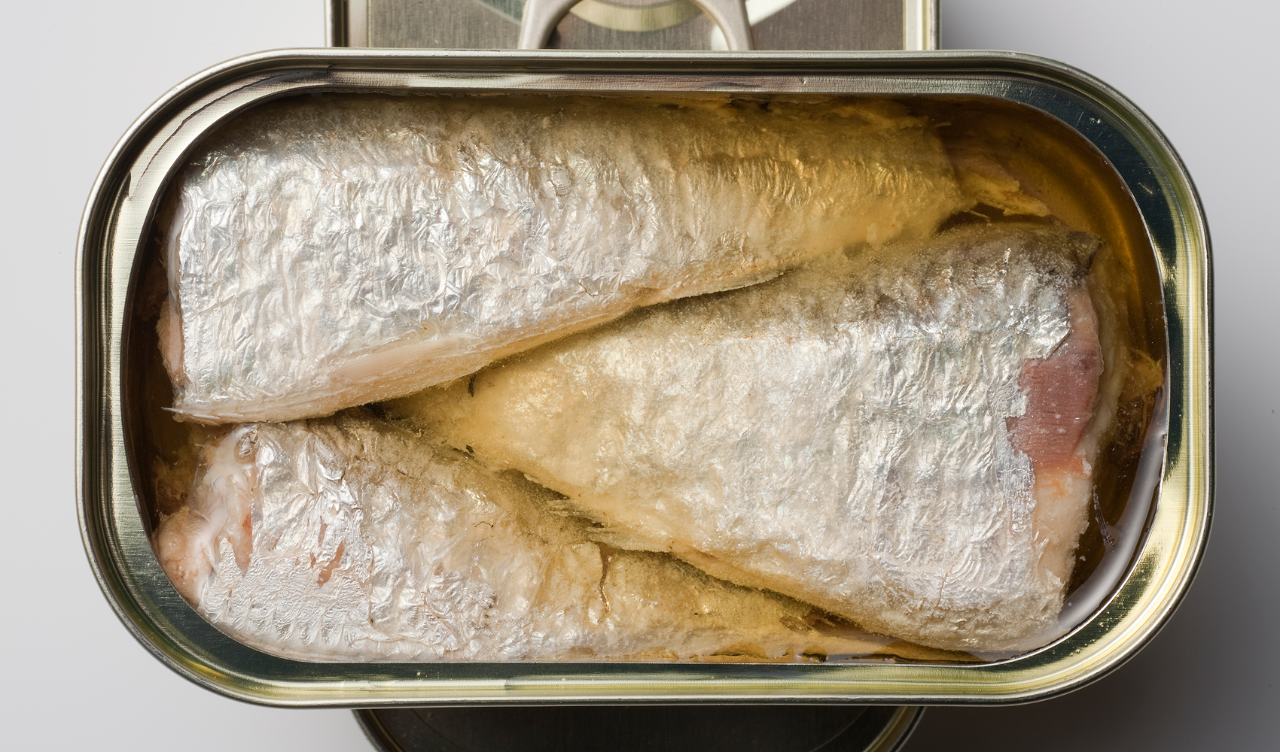
Spanish seafood conservas are good enough to be the protagonist of a recipe, and sardines are no exception. In fact, to truly savor the taste and texture of these tinned treasures, it’s often best to keep things simple. Peel open a can and spread Spanish sardines on toast for a wonderfully easy brunch or lunch. Pair with a chilled glass of Albariño or Godello white wine from Galicia’s DO Rías Baixas. The light, elegant character and stone-fruit aromas help to bring out the Atlantic flavors and add a touch of zesty freshness.
Other simple ideas are to serve Spanish sardines on top of smashed avocado on toast. Add a squeeze of lemon and some cracked black pepper for extra depth. Sardines with roasted cherry tomatoes on toast is another simple yet flavorful dish.
For that traditional tapas touch, serve artisanal sardinillas straight from the can on a wooden board alongside picos (crispy breadsticks), Marcona almonds, Manzanilla olives, and a glass of chilled Albariño or Godello. Don’t forget to reserve the olive oil from the sardine can for dipping bread.
Sardines and toasted potatoes are a delicious, quick, and easy meal that makes the ideal light lunch. Tinned sardines and crispy cigar-shaped potatoes are lightly fried in EVOO, covered with lemon aioli, and garnished with chopped Spanish Persimon and peppers. Pair with a Bohigas Reserva Brut Cava, which harmonizes exceptionally well with seafood.
Feeling adventurous? Take a leaf out of the cookbook of renowned Basque chef Martín Berasategui, who elevates tinned sardines with his cream of sardines pâté served at his eponymous restaurant in Lasarte-Oria, a town just south of San Sebastián. He uses artisanal sardines with soft cheese, parsley, mineral water, and a slow emulsion of extra-virgin olive oil, before serving the silky solution inside an empty sardine can, accompanied by toasted bread.
By including the original can as part of the dish’s presentation, Berasategui highlights the role of sardine cans themselves in the modern surge in popularity of an age-old favorite.
Artistic Tinspiration: Spanish Sardine Cans As Collectible Items
With bold, beautiful colors, vintage artwork, and minimalist designs, Spanish sardine tins are now revered as collectible culinary items. These beautiful designs evoke a sense of time and place, celebrating the heritage of Spanish canneries and the passion and perseverance of sardine fishermen.
In an age of increased awareness of sustainability and the care and dedication that go into artisanal food practices, Spanish sardine tins are seen as the epitome of culinary craftsmanship. They are a symbol of over 150 years of maritime tradition and gastronomic excellence, sought after by food collectors who treat unopened sardine tins like vintage wine, and aesthetic collectors who marvel over the uniquely beautiful packaging.
And while no Spanish pantry is complete without a can or two of sardines, these are far from mere pantry fillers. They are the flavor of the Atlantic and the taste of Spain, the passion of the people who ply their trade in Spanish villages and towns along the Atlantic coastline.
They may be one of the latest social media food trends. Yet, the everlasting appeal of Spain’s sardine conservas speaks for itself. When you combine high-quality raw ingredients (the Sardina pilchardus), more than 150 years of canning traditions, incredibly skilled workers, and a culture that prizes quality over quantity and excellence over mass production, you are left with an exceptional product.