
Nov 18 2026
The Golden Red Thread: Saffron’s Place Within the Rich Tapestry of Spanish Cuisine
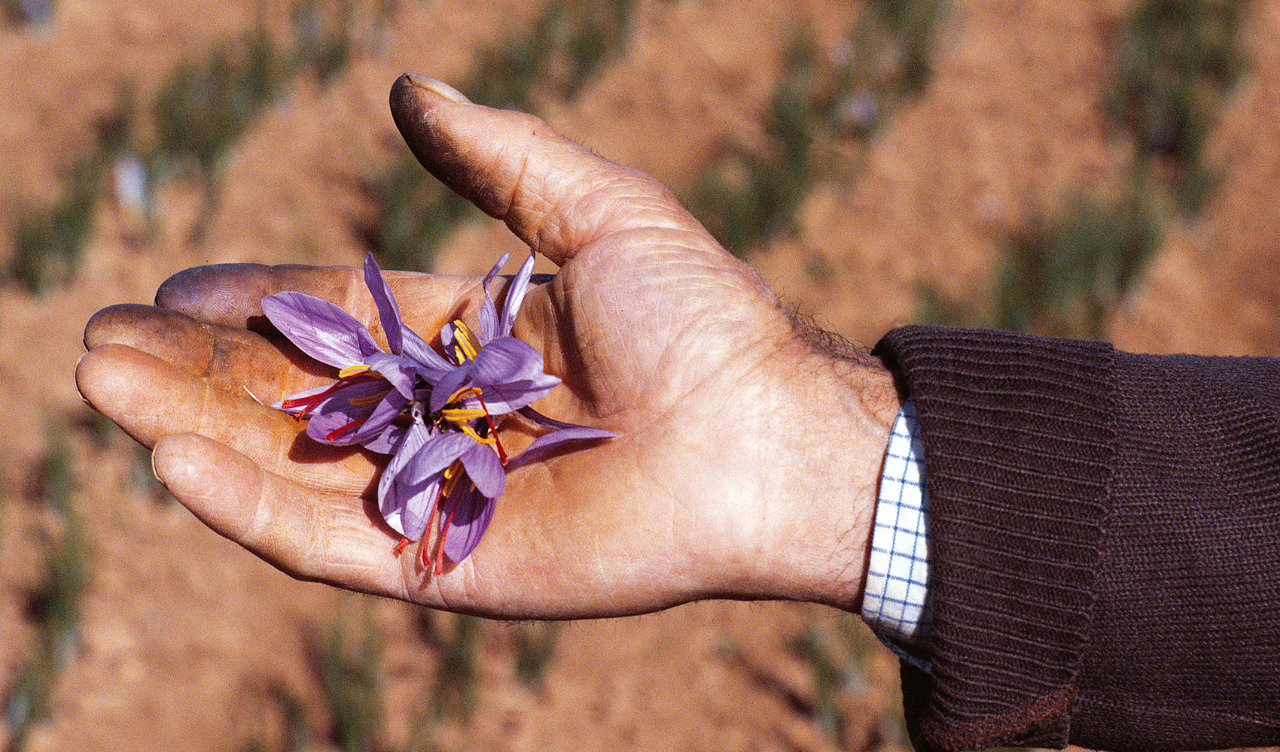
In the heart of the Iberian Peninsula, across the plains of La Mancha, vivid purple fields stretch as far as the eye can see. It’s autumn, and the saffron purple bloom is in full flow. Families head out to the fields in the cool of the morning, handpicking flowers before the midday sun has a chance to wilt them. Later that day, they’ll separate the stigmas from the flowers in a process known as desbrín.
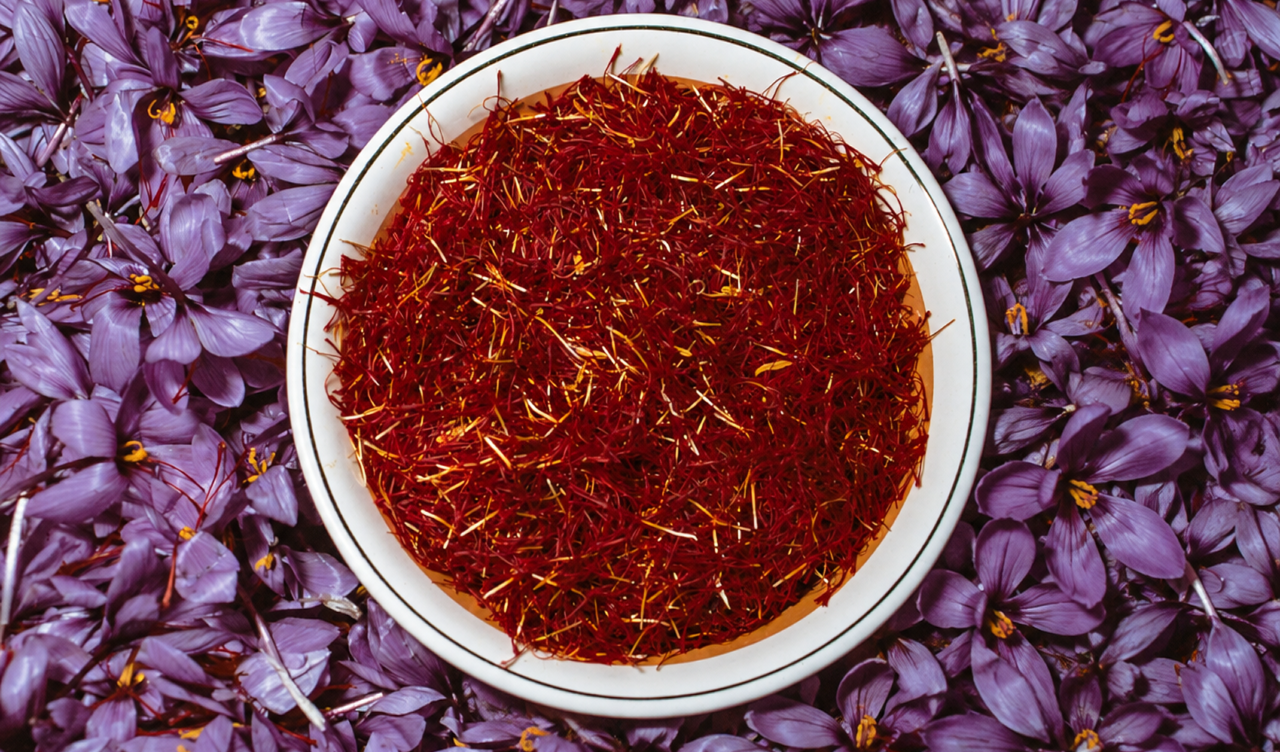
The resulting threads are a thing of beauty. Saffron is one of Spain’s signature spices, beloved by home cooks and Michelin-starred chefs alike, and the key ingredient in many of Spain’s most popular dishes.
Why Spanish Saffron is So Special
Since the Moors first brought saffron crocuses to the plains of La Mancha over a millennium ago, the russet-red spice has had a major role to play in Spanish gastronomy.
Manchegan saffron stands apart from other types of saffron. As the only saffron in Spain afforded protected status – PDO Azafrán de la Mancha – the spice is revered across the globe for its unique characteristics.
On the palate, it’s subtly sweet and earthy with a hint of bitterness. A slight floral fragrance brings a delicate aromatic quality, evoking scents of honey or hay.
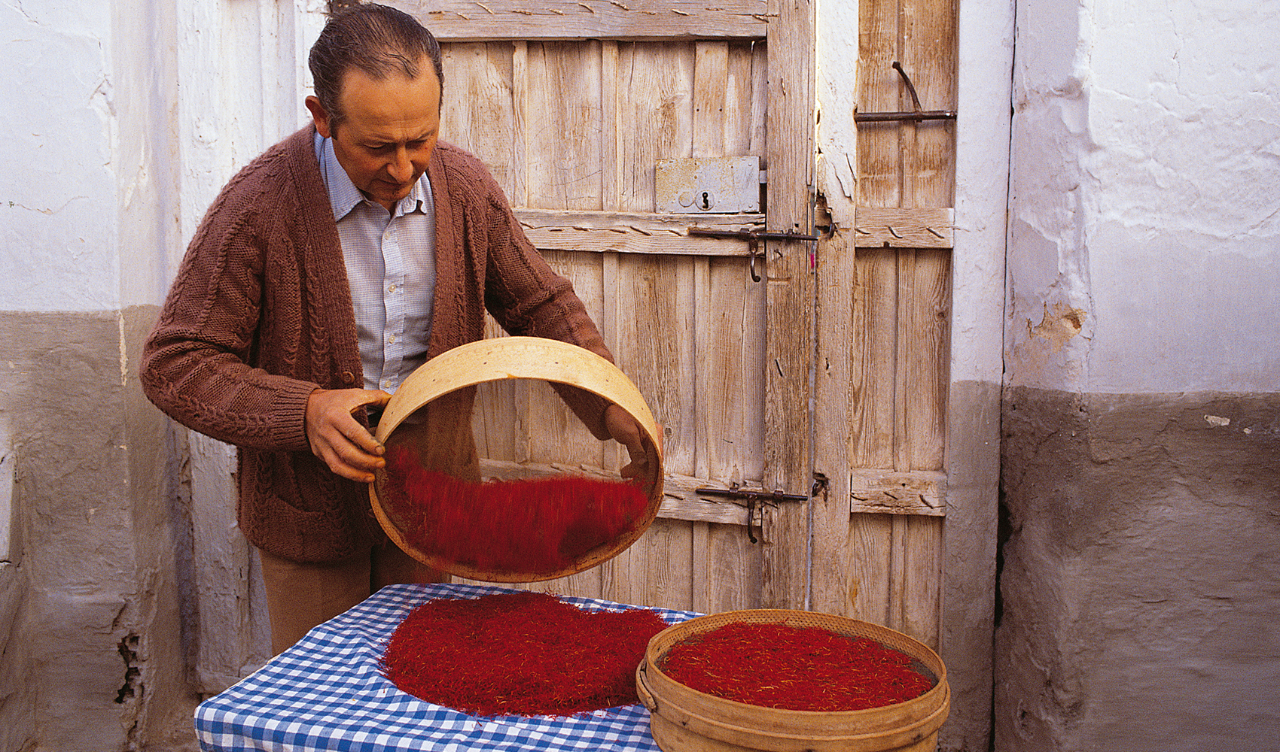
A key part of the Spanish saffron process is the drying process, known as el tueste or el secado. Saffron threads are gently heated over a fire, reducing the moisture content to add a light toasted aroma and preserve the essential oils.
Chemical studies carried out by the International Organization for Standardization (ISO 3632) have found that Spanish saffron typically has twice the levels of crocin (golden reddish yellow color) and safranal (subtle bitterness and aroma) of other types of saffron.
While approximately 90% of Spain's saffron comes from Castile-La Mancha, smaller-scale saffron cultivation exists in several other Spanish regions, including Aragon, Catalonia, Murcia, and Andalusia, as well as on the island of Ibiza.
How Saffron is Used in Spanish Cuisine
A little saffron goes a very long way. With just a few threads, it’s capable of elevatingor transforming a dish, and has the versatility to be added to meat and fish dishes, sauces, soups, stews, and even desserts.
Paella is perhaps the dish most associated with Spanish saffron. It gives the dish its iconic golden-yellow color while infusing it with a subtle earthiness and delicate floral aroma, both of which harmonize beautifully with the richness of the meat, stock, and sofrito.
Beyond everyday cooking, for years Spanish chefs have been using saffron in ever more creative ways. Some Michelin-starred chefs bloom saffron in warm broths, stocks, or fats to impart its unique flavor. Others fold saffron-infused creams into desserts or over delicate seafood or vegetable dishes.
Joan Roca used the ingredient to great effect at his three-Michelin-star El Celler de Can Roca in Girona, serving langoustine and charcoal-grilled eel with saffron infused oils, as well as pickled sea urchin with saffron aioli.
Meanwhile, master of Valencian-inspired avant-garde cooking Quique Dacosta puts an ingenious spin on classic paella ingredients and reimagines them in the form of a turrón for the famous brand Torrons Vicens. His rice-based turrón with almond saffron praline and orange blossom-infused caramel is just one of many surprising blends of the almond-based Spanish sweet.
Chef Dacosta frequently uses saffron to anchor contemporary interpretations of regional rice dishes and sea-inspired broths, both at his eponymous three-Michelin-starred restaurant in Dénia and his London-based restaurant ArrosQD.
Another Spanish innovator is two-Michelin-starred Chef Kiko Moya, who has previously acted as an ambassador for studies into vertical saffron farming. At his L'Escaleta restaurant in Alicante, Chef Moya pairs saffron with aromatics such as ginger, clove, cardamom, and star anise in his pickled oysters dish.
Finally, María José San Román, affectionately known as La Reina del Azafrán (The Saffron Queen), is renowned for her meticulous use of the ingredient. At her Restaurante Monastrell in Alicante, Chef San Román steeps saffron threads in liquids, heating them to 65°C (149°F) to produce optimum flavor, and using them as the foundation for dishes such as arroz azafranado de Caldero con bogavante (saffron-infused 'Caldero' rice with lobster).
Key Challenges For Spain’s Saffron Sector
It takes 150,000 to 200,000 saffron flowers to produce a single kilogram of dried saffron, and cultivation of this spice is rooted in age-old practices, with handpicking and stigma separation painstakingly carried out by generation after generation of families. For these farmers, saffron has long been a part of their identity and a huge source of pride.
However, population dynamics and shifting social expectations have placed strain on a highly specialized sector. The traditional farming population is changing, with younger generations increasingly migrating from rural areas.
There are also climate considerations. Higher temperatures and longer, hotter summers affect the saffron harvest, shortening a window that is already all too brief. What’s more, severe droughts reduce the number of flowers that emerge during the harvest while making the plants more susceptible to fungal diseases.
While sectors such as olive oil, almond, and pistachio farming are booming, Spain’s saffron industry is in need of a boost. Spain was once the world’s leading saffron producer. Average annual domestic saffron production at the beginning of the 20th Century was 141,000 kg. By the 1970s, it was 70,000 kg. In 2024, the production total was just under 350 kg.
It’s clear that professionalization and technological investment are key. Thankfully, the green shoots of innovation are beginning to show.
Revitalizing Spanish Saffron
There are a range of exciting initiatives across the country, each dedicated to researching and implementing new strategies to increase and improve saffron production.
One such initiative is AZAFARM – an agricultural project based in Aragon that is spearheaded by the research and development center Tecnalia and regional agricultural entities. Their mission is to develop an automated saffron cultivation system within a multi-level climate-controlled vertical environment.
This system will see the introduction of portable, climate-controlled modules designed with the capability of scheduling seed germination. Control over temperature, CO₂ output, humidity, and light will enable saffron producers to monitor data, make better decisions, and manage previously unmanageable variables.
One of the biggest obstacles to saffron production in Spain is the bottleneck caused by the labor-intensive desbrín process – opening the saffron flowers and extracting the all-important russet red stigmas.
Step forward Desbrinator, an initiative that seeks to reduce the dependence on manual labor using a combination of advanced robotics and AI engineering. Desbrinator will implement an automated stigma separation process that still involves human input and doesn’t compromise on the quality of the product while respecting the role of people in the process. The project is a collaboration between the OPAZ Cooperative, the Castilla-La Mancha Industrial Technology Center (ITECAM), and farmer Rocío Torres Caro.
The aim is to enhance efficiency and precision while maintaining the exceptional quality of the product in line with the standards required by the Azafrán de La Mancha PDO (Protected Designation of Origin).
Harvested flowers are mechanically spread out and separated. Next, high-resolution cameras and AI algorithms analyze the physical traits of each flower in real time. This allows them to enter the cutting mechanism in a uniform way.
The flower is then cut at the precise point, opening the petals and detaching the internal structure without damaging the delicate stigmas. Finally, an automated pneumatic sorting system gently propels floral waste while drawing the pure stigmas down a dedicated collection path.
The project was initiated in June 2026, with a prototype to be rolled out by 2027 and completion projected by 2028. It is co-financed by the European Agricultural Fund for Rural Development (EAFRD), the Ministry of Agriculture, Fisheries, and Food (MAPA), and the Regional Government of Castile-La Mancha, with a total budget of €248,000.
Spanish Saffron in a Global Context
There are a variety of well-established companies that export Spanish saffron on a global scale. Founded in 1886, Verdú-Cantó Saffron is one of the most historic. The Alicante-based company exports to over 40 countries worldwide, operating brands such as Pote, La Sirena, and Syren.
Albacete is home to another two historic saffron producers. Compañía Exportadora de Azafrán Español S.A. (CEAE) in Albacete upholds three generations of saffron cultivation traditions, exporting to North America, Europe, and Asia, while Antonio Sotos, founded in 1912, exports to over 30 countries around the world, with recent expansion into the Middle East market.
Home cooks can source saffron from international Spanish stores and online retailers. In the US Despaña sells Chiquilin saffron, grown and produced in Alicante, while La Tienda sells one-ounce tins of Saffron by Princesa de Minaya, D.O. La Mancha, among the best brands of saffron in the world.
In the US there are many other Spanish stores – known as Colmados – around the world and online that sell Spanish saffron – see our interactive map to find one local to you.