
.png.transform/rendition-xs/image_image%20(1).png "Feder")
Aug 31 2026
The Two Golden Eras of Canary Wines

By Javier Sánchez, food-and-drink journalist
The roots of the current acclaim enjoyed by Canary wines lie in their glorious legacy. This is their story: unique, remarkable, and full of surprises.
It is often said—and rightly so—that wine is culture. An undeniable truth, as wine both reflects and shapes the identity of a given place, the way its people live, and how they relate to one another. Yet wine is also history and, in many cases, a very long history, with unexpected roots that stretch far beyond its present-day reputation.
This is certainly true of the wines produced in the Canary Islands, the Spanish archipelago located off the northwest coast of Africa, close to southern Morocco and northern Western Sahara. Today, Canary wines are attracting growing international attention, which can sometimes create the impression that they are a recent discovery. Nothing could be further from the truth.
The story of Canary wine dates back to the 15th century, following the arrival of the first European settlers, who brought vine varieties from their homelands, and the final conquest of the islands by the Crown of Castile.
“You simply cannot understand the history of the Canary Islands without understanding wine,” says Juan Jesús Méndez, President of DOP Islas Canarias–Canary Wine, one of the key figures in reconnecting the region's current renaissance with its first golden age.
That connection inspired Méndez to lead a tasting at the latest edition of Vinoble, the International Exhibition of Noble, Fortified, Liqueur and Special Sweet Wines held every two years in Jerez de la Frontera, Cádiz. The title left little room for doubt: "Canary Wines: A Journey Through History. From the Sweet Malvasias that Conquered the World to Today's Whites and Reds with Volcanic Identity."
For Méndez, the historical significance of Canary wine is precisely what explains its relevance today. “Although vineyards initially competed with sugar cane cultivation, by the mid-16th century vines had clearly prevailed. For more than three centuries, viticulture became the archipelago's main economic engine.”
A key factor behind that success, he explains, was the islands' strategic location after all, the Canaries were not nicknamed the “Fortunate Islands” by chance.
“The islands were an essential stop on the Atlantic trade routes connecting Europe and the Americas. Everyone heading to the New World passed through the Canaries, and everyone loaded wine here.”
The Historical Importance of Canary Wines
That circumstance transformed the archipelago into a global wine powerhouse. “Between 1500 and almost 1800, the Canary Islands became the world's leading producer and exporter of wine,” says Méndez.
It was English merchants who popularized the term Canary Wine, the name under which these wines achieved extraordinary international fame.
The historical footprint of that phenomenon remains visible today. The DOP has compiled more than six hundred literary references by English-language authors mentioning Canary Wine in their works. For Méndez, this is irrefutable proof of the impact Canary wines once had on both the economy and cultural life of the era.
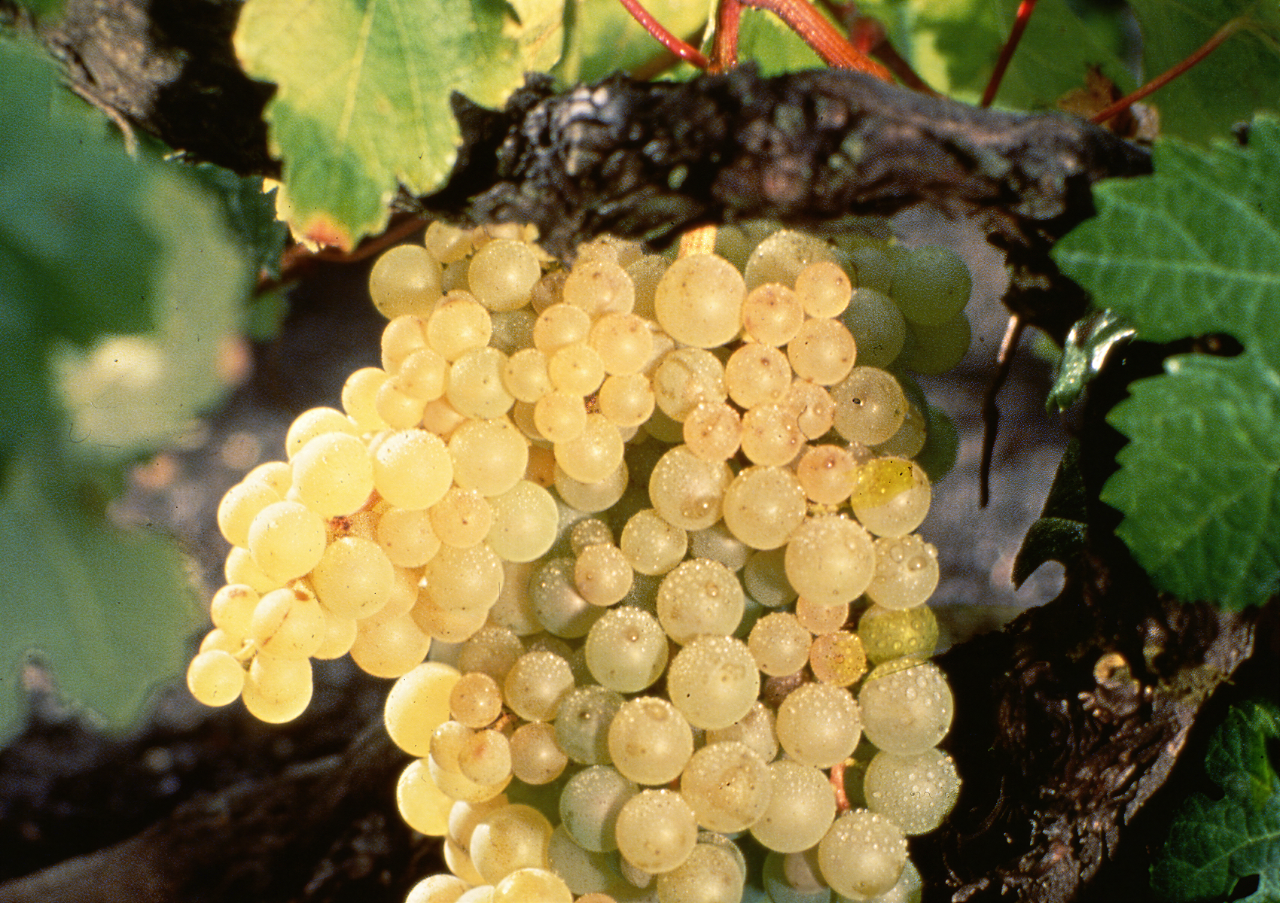
The star of that success story was Malvasía Aromática. “Canary Wine was made from Malvasia,” he explains. Alongside it, other white varieties were grown mainly for local consumption and used to produce the traditional vidueños—field blends made from different grape varieties harvested and vinified together.
The decline began in the early 18th century with the signing of the Methuen Treaty between England and Portugal, which dramatically reduced the Canary Islands' role in international wine trade. Yet the sector found ways to survive.
The introduction of red grape varieties enabled local producers to make wines destined to reinforce and complement other products traded internationally, a period that Méndez describes as a true “story of survival”.
But what were those early Canary Wines actually like—the wines that William Shakespeare famously described as “wonderfully penetrating wines” in Henry V? According to Méndez, there was no single style.
“At various points in history, wines were made from overripe grapes to produce naturally highalcohol, high-sugar wines, both essential for surviving long ocean voyages. At other times, they were fortified with grape spirits to improve their commercial competitiveness.”
What is beyond doubt is that those Malvasias enjoyed a devoted following across the globe. If there is one factor that sets the Canary Islands apart from almost every other wine region in the world, it is the absence of phylloxera. Méndez describes it as “an absolute blessing”. “Thanks to that, the varieties introduced from the 15th century onwards were preserved without grafting or major replanting programes.”
As a result, countless own-rooted vines have survived, many of them several centuries old.
The Revival at the End of the 20th Century
That unique heritage paved the way for a slow but steady revival during the final decades of the 20th century.
A total of eleven appellations of origin were established, beginning with DO Tacoronte-Acentejo in Tenerife in 1992. It was followed by Valle de La Orotava, Ycoden-Daute-Isora, Valle de Güímar and Abona in Tenerife; Lanzarote; La Palma; El Hierro; Gran Canaria; La Gomera; and finally DOP Islas Canarias, which brings together wineries focused on international markets under the Canary Wine banner.
Today, however, Canary Wine represents a far more diverse reality than the one that conquered the world five centuries ago. Research carried out in recent years has identified more than eighty grape varieties across the archipelago. “More than half of them exist nowhere else in the world,” Méndez points out. Among the most representative are red varieties such as Listán Negro and whites including Malvasía Volcánica, Vijariego Blanco and Marmajuelo.
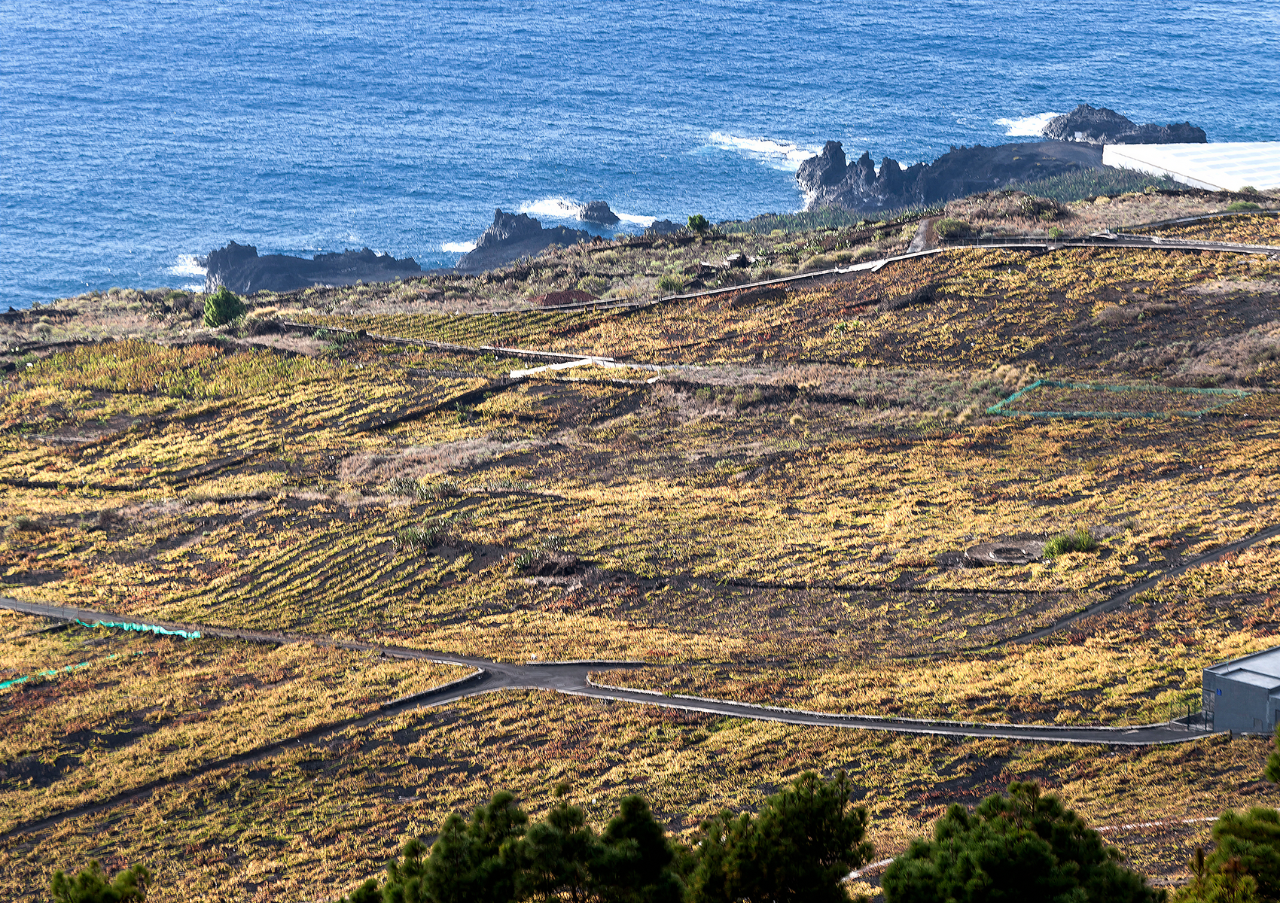
The islands' geological diversity is another major differentiating factor. The volcanic soils are exceptionally young compared with those found across continental Europe and display remarkable variation depending on the origin and age of each eruption. Added to this is an extraordinary range of climatic conditions.
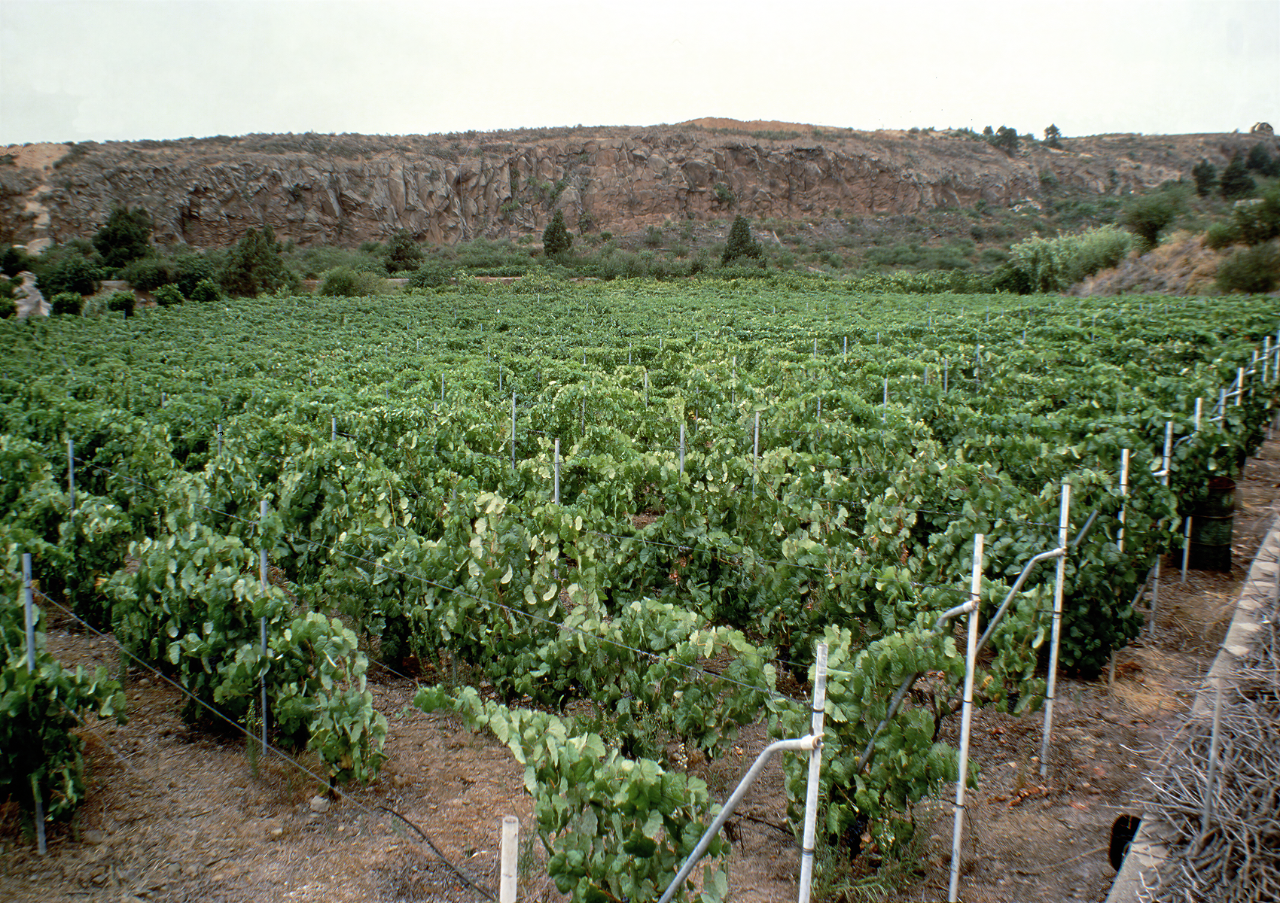
Tenerife offers a perfect example. Sharp differences in altitude create an incredibly diverse viticultural landscape. “You can find subtropical conditions by the coast, temperate climates at midelevations, and almost continental conditions in the highest vineyards. That combination explains the extraordinary diversity of wine styles found throughout the Canary Islands.”
Despite the fragmentation, Méndez believes there is a shared Canary identity underlying all these wines. That conviction led to the creation of DOP Islas Canarias–Canary Wine in 2011. “The aim was to create a tool capable of promoting our wines internationally without losing the individuality of each island or wine-growing area.”
The revival of the historic Canary Wine name forms part of the same philosophy. For Méndez, reclaiming a designation once known throughout the world means “reclaiming a historic legacy”. Looking ahead, he believes the future success of Canary wine will depend on two essential factors: quality and singularity.
The small scale of the vineyards, their artisanal nature and the high costs of production make it impossible to compete on price with larger wine-producing regions. Instead, differentiation is the only viable path. “Canary wine needs two things to continue carving out its place in the global market: quality—which must be consistently high—and singularity.” That singularity is expressed through unique grape varieties, pre-philoxeric vineyards, volcanic soils and a powerful sense of place.
Together, these elements allow Canary wines to showcase everything that makes them truly irreplaceable: five centuries of history, an exceptional genetic heritage and a unique ability to capture the character of the islands in every glass.
Ten Wines, Ten Expressions
Attempting to summarize the full spectrum of Canary wine styles in a few tasting notes would be anoversimplification. Each island possesses its own identity and significant differences can also be found within the same island depending on altitude and vineyard location.
That is why these wines, selected by Méndez, offer such an interesting snapshot of this exciting and surprisingly diverse world: Canary wines, looking back to a glorious past while confidently writing a new chapter in their history.
VIÑÁTIGO MALVASÍA AROMÁTICA 2024
Bodegas Viñátigo, La Guancha, Tenerife
A single-varietal white wine made from Malvasía Aromática, the very grape behind the historic Canary Wines of old. Grown at 250 metres above sea level and harvested by hand, it benefits from strong maritime influence. The result is a very dry white wine with floral aromas, vibrant acidity and a subtle volcanic edge that adds complexity. An excellent match for spicy dishes and mild cheeses.
VIÑÁTIGO ENSAMBLAJE BLANCO
Bodegas Viñátigo, La Guancha, Tenerife
A blend of Marmajuelo, Malvasía Aromática, Listán Blanco, Albillo Criollo, Gual and Vijariego Blanco. The proportions vary from vintage to vintage in pursuit of freshness, tension and balance. The grapes come from vineyards planted at different elevations. Tropical notes dominate both nose and palate, supported by mineral and smoky undertones. Ideal as an aperitif or alongside light dishes.
CONATVS TINTO
Bodega Conatos, Fuerteventura
Made from a blend of Listán Negro, Castellana and Tintilla in nearly equal proportions, with a smaller percentage of Vijariego Negro, this wine offers an elegant and complex aromatic profile. Ripe red fruit takes centre stage, complemented by floral nuances and hints of liquorice, chocolate and coffee. On the palate, it is fresh and well-balanced, with a long finish marked by mineral and spicy notes. An excellent match for aged and smoked cheeses.MARMAJUELO BLANCO SECO
MARMAJUELO SECO BLANCO
Bodega Linaje del Pago, El Sauzal, Tenerife
A single-varietal Marmajuelo sourced from vineyards planted at just 90 metres above sea level. Produced from the single vineyard parcel known as La Cerca, this dry white offers a complex aromatic profile with tropical fruit notes layered over a mineral backdrop. Fresh, balanced and highly expressive. A natural partner for fish and seafood.
EL LOMO LISTÁN NEGRO
Bodegas El Lomo, Tegueste, Tenerife
This wine combines red and white varieties—a deeply rooted Canary Islands tradition. The blend is predominantly Listán Negro (95%), complemented by 5% Listán Blanco. Grown in Tenerife's Tegueste Valley, it displays an intriguing nose centred on red berry fruit, while the palate is juicy, fresh and distinctly mineral.
FINCA ESCUDERO
Bodega Juan Escudero. Las Palmas, Gran Canaria
This white wine is made exclusively from 100% Marmajuelo grapes. The volcanic soils impart a distinctive character to a wine with an aromatic profile that combines tropical fruit, citrus notes, and a mineral undertone. On the palate, it is fresh and vibrant, with lively acidity and subtle saline hints. It pairs particularly well with oily fish and rice dishes.
TINTO MONJE
Bodegas Monje, El Sauzal, Tenerife
Another traditional field blend of red and white varieties: 90% Listán Negro, with the remainder made up of Listán Blanco and Negramoll. The vineyards sit between 450 and 600 metres above sea level. The wine is a 50/50 blend of two separate cuvées: traditional Monje and Hollera carbonic maceration. Fresh, distinctive and silky, yet packed with flavour, it pairs beautifully with rice dishes, white meats and oily fish.
CAN TINTO
Bodega Tajinaste, La Orotava, Tenerife
An equal blend of Listán Negro and Vijariego Negro grown on an Atlantic influenced estate on the northern side of the Orotava Valley at 380 metres altitude. Aged for nine months in French oak barrels, it reveals toasted and spicy aromas on the nose, while the palate is savoury, elegant and well structured. An excellent companion for red meats.
FORASTERA BLANCA
Bodega Marqués de Tamargada, La Gomera
Made exclusively from the white Forastera Gomera grape variety, this wine displays a pronounced mineral character complemented by aromas of fresh fruit and hints of aromatic herbs such as eucalyptus and spearmint. On the palate, it is powerful, well-balanced and harmonious, with a long, lingering finish marked by mineral nuances. An excellent pairing for fish and seafood dishes.
ZANATA MALVASÍA DULCE
Bodega Viña Zanata, La Guancha, Tenerife
Made exclusively from Malvasía Aromática grapes, which are partially raisined before vinification. The must is obtained by free-run bleeding, and the wine gains additional complexity through lees ageing in French oak barrels. Floral aromas and stone-fruit notes define the nose, while the palate retains enough acidity to provide freshness and balance. A perfect pairing for delicate desserts and mild cheeses.