.png.transform/rendition-xs/image_image%20(1).png "Feder")
May 27 2026
Spain’s Green Gold: The Growing Popularity of Spanish Pistachios
Spanish pistachios are uniquely prized around the world due to their excellent flavor, deep green color, large size, and exceptional production quality. Spain has the ideal climate, soil, and irrigation water to take an organic, sustainable approach to pistachio cultivation. This ‘farm-to-table’ production method, which is free from chemicals, takes full advantage of the rising global demand for authentic, healthy, and traceable plant-based foods.
Before the 21st Century, there were limited pistachio plantations in Spain. This changed throughout the 2000s, as the nut became more prominent as a snack and culinary ingredient around the world. Spanish farmers began to realize the potential of pistachios and, between 2010 and 2020, the area of farmland dedicated to pistachio cultivation had grown from around 4,300 hectares to almost 50,000 hectares.
The Unique Qualities of Spanish Pistachios
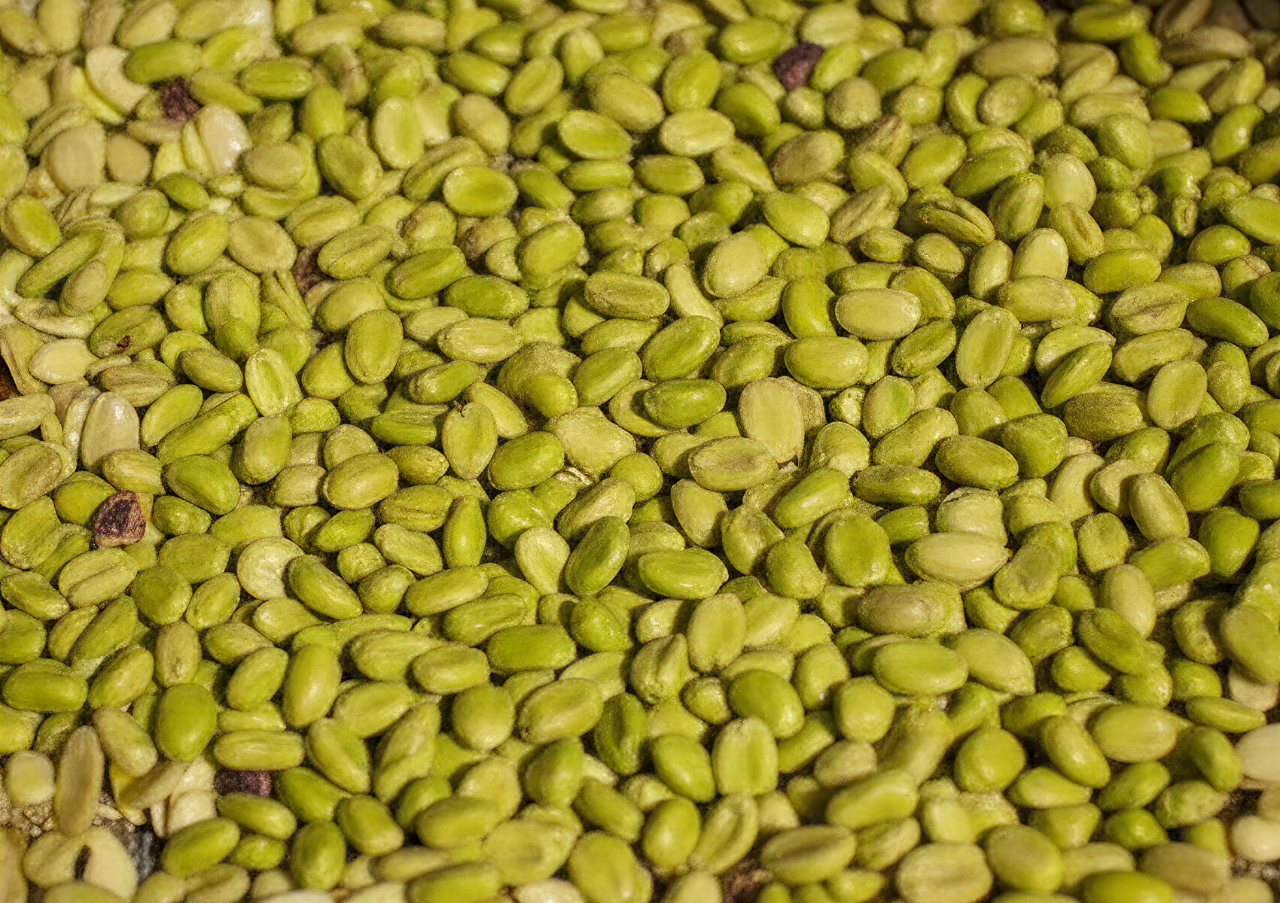
Spanish pistachios have an earthy, intense flavor. The specific climate, water quality, and quality regulations set them apart from other pistachios on the global market.
Approximately 80% of Spanish pistachios are produced in Castile-La Mancha. The other key pistachio production regions are Aragón and Extremadura. Plantations frequently use natural, sustainable farming methods, with full farm-to-table traceability. The success of the pistachio crop also helps fight against rural depopulation, especially in Castile-La Mancha, helping to sustain these societies with proud agricultural traditions.
These regions have the ideal climate for pistachio production. The combination of hot summers, cold winters, and high-quality irrigation produces a distinct, high-quality nut that doesn’t rely on external factors, but can instead be produced using natural methods.
The Main Types of Spanish Pistachio
Kerman
The Kerman pistachio is a particularly large, round nut with white coloring. The taste is mild, slightly sweet, and buttery, with a firm, crunchy texture. It requires particularly hot summers and cold winters to thrive. In Spain, it's typically cultivated in areas with late frosts, such as the Spanish plateau and Ebro River Valley. A high percentage of Kerman pistachios are produced with open shells, which, along with their relatively mild flavor, makes them ideal to be consumed as a snack. Harvested in late September to early October.
Sirora
More elongated in shape than its Kerman counterpart, the Sirora pistachio originates from Australia. A very high percentage of open nuts, a high yield, and a distinctive, delicate flavor that’s balanced yet distinctly earthy with subtle sweet notes, making them perfect for snack consumption. Very drought resistant, they thrive in long hot summers – ideal for the Spanish climate. Harvested in late August to early September.
Larnaka
This very popular pistachio is widely cultivated in Spain and not in other major
pistachio-growing countries such as the US or Iran. Its unique flavor – slightly sweet with a hint of pine that lingers on the palate – and its intense color have led to its increasing popularity. Small and elongated with black spots and a distinctive ‘beak’ at one end, the Larnaka pistachio is mainly grown in the areas of Castile-La Mancha and Andalusia. Its particularly intense flavor makes it ideal as an ingredient for ice cream, chocolate, or as an addition to savory dishes, rather than as a snack.
Exceptional Export Potential
Spain is the number one exporter of premium pistachios across Europe, providing a stable source of high-quality pistachios to European consumers. Growing international tensions and volatile market conditions will only strengthen Spain’s robust position as a leading pistachio exporter.
According to a report by MAPA (Ministerio de Agricultura, Pesca y Alimentación), Spain produces approximately 42,374 tons of pistachios per year. This is a nine-fold increase over the last decade.
There is a growing demand for Spanish pistachios, with a rising global interest in healthy, plant-based foods. Exceptional standards of traceability and safety add further appeal to Spain as a key exporter of pistachios. The Spanish industry focuses on rigorous food safety standards and certification, particularly in Castilla and León. Exporters in this region, including Jade Pistachios, are providing a fully organic, traceable, high-quality product to importers across the EU and beyond.
Spain is also taking measures to increase its production of pistachios to meet increasing demands from key importers. This involves innovation and technification of its pistachio industry, with AI tools and precision irrigation that will increase efficiency and volume for years to come.
How to Use Spanish Pistachios
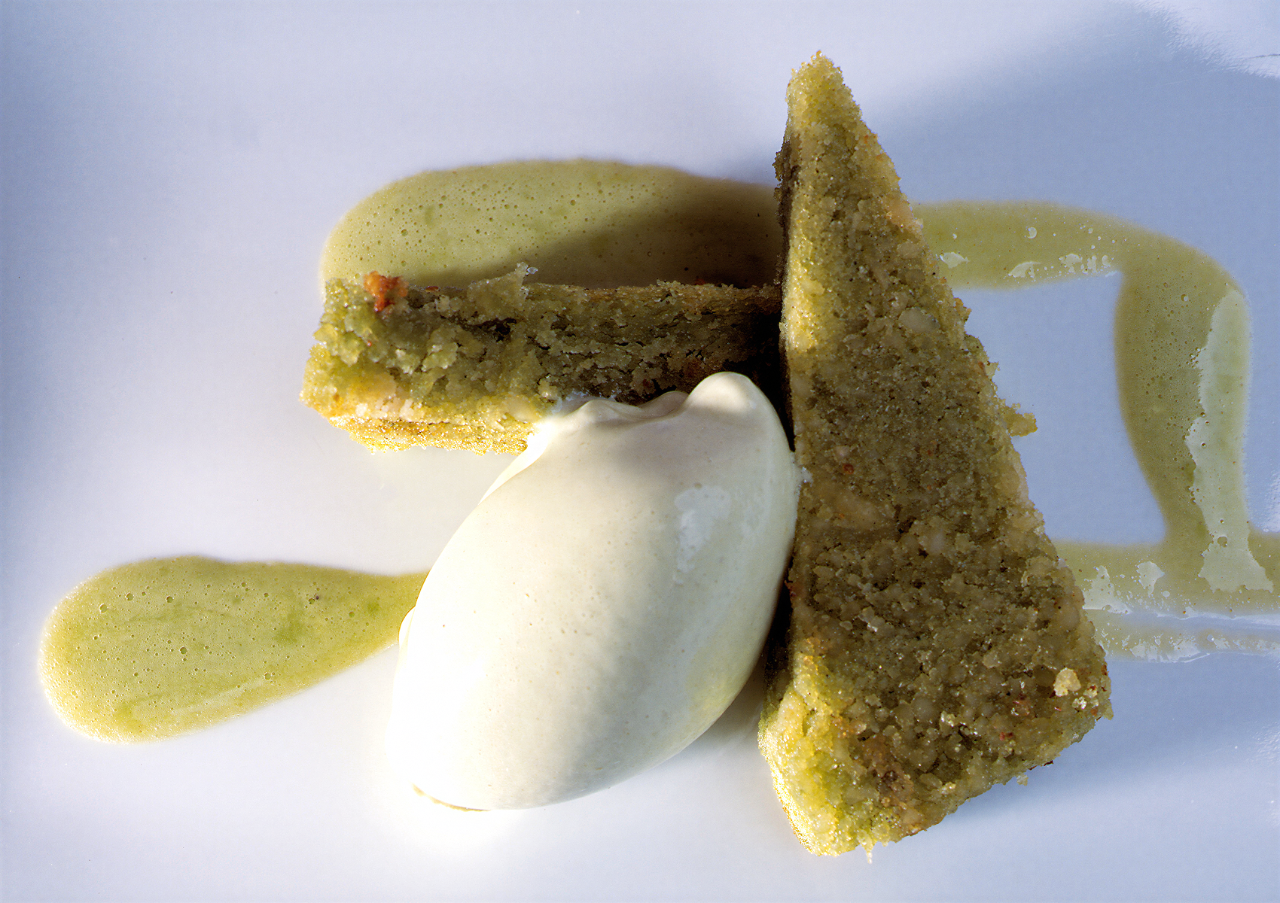
Spanish pistachios – particularly the Kerman and Sirora varieties – are popularly consumed as a healthy, organic snack. The Larnaka brings an intense earthy flavor that makes it a popular addition to premium ice creams, pastries, and savory dishes.
Michelin-starred Chef Paco Morales, known for his three-Michelin-starred Noor restaurant in Córdoba, Andalusia, utilized a creamy pistachio base for his Pistachio Karim dish, featuring smoked herring caviar and green apple.
Many distinguished chefs use cold-pressed pistachio oil to infuse incredible flavor into dishes. Michelin-starred Susi Díaz used pistachio oil to stunning effect at her restaurant, La Finca in Elche. The distinctive pistachio flavor and aroma were used to reinvent a classic Spanish dish for her gazpacho de bogavante (lobster gazpacho) recipe, with crushed pistachios scattered as a garnish.
Another Michelin-starred masterchef, Mario Sandoval of Madrid’s Coque restaurant,
reinvented traditional Spanish tapas with his flor helada de pistacho (frozen pistachio flower) dish. His gazpachuelo – a Malagan fisherman's dish, typically consisting of mayonnaise, garlic, egg yolk, and olive oil – was given an innovative twist, with olives, beer foam, and Osetra caviar offset by pistachio ice cream.
Pistachio is also used to create a special edition of that most beloved Spanish sweet – turrón – with respected Turrón makers such as Torrons Vicens and Turrón 1880 incorporating the ingredient. Pistachio's vivid green coloring, distinctive aroma and taste, and growing popularity as an ingredient bring a touch of modern flair to this time-honored Spanish sweet.
RELATED ARTICLES