.png.transform/rendition-xs/image_image%20(1).png "Feder")
Sep 09 2026
Spain's Pantry: Quality, Sustainability, and Global Ambition
The pistachio boom, the appeal of gourmet products, and the exceptional 2025 wine harvest are among the topics that have generated the strongest engagement among our professional audience, reflecting growing international interest in products with a clearly identifiable origin, traceability, and verifiable environmental credentials.
From Spanish pistachios to organic wines from the 2025 vintage, the topics drawing the most interest among our professional audience point to growing demand for products that combine culinary quality, traceability, well-being, and a distinctive origin story.
What are international professionals looking for when they explore Spain’s pantry today? The content that has sparked the most interest and generated the highest number of social media interactions offers some clues. Spanish pistachios top the list, followed by a selection of gourmet products designed as gifts for any occasion, and an analysis of Spain’s 2025 wine harvest, which was smaller than in previous years but exceptional in quality.
Although they belong to very different categories, all three pieces of content share a common thread: the search for food and beverages with a recognizable origin, responsible production, proven quality, and an identity that resonates with the market’s new priorities.
The concept of a healthy product extends far beyond its nutritional value: knowing how it is grown, where it is made, what controls ensure its traceability, and whether it has a certification that clearly and verifiably communicates those attributes is key to both its culinary identity and its market positioning.
In this context, an organic certification provides a verifiable guarantee, but it should not be confused with other concepts such as “natural,” “artisanal,” “traditional,” or “sustainable.” In the European Union, a product may only be marketed as organic if it has been certified by an authorized control authority or body and meets the requirements applicable to its production, processing, transportation, and storage.
Spanish Pistachios: Healthy and Full of Character
Interest in Spanish pistachios is a particularly clear reflection of this evolution. Their appeal stems from its plant-based nature and its versatility as a snack, culinary ingredient, or raw material and ingredient for higher-value-added products.
It also stands out for its distinctive sensory identity. The varieties grown in Spain offer flavor profiles ranging from the mild, slightly sweet, buttery taste of Kerman pistachios to the earthy intensity and pine notes of the Larnaka variety. This diversity makes the product suitable for both direct consumption and use in making ice cream, chocolate, baked goods, oils, sauces, and fine dining creations.
Spanish production also offers a particularly compelling marketing narrative. Between 2010 and 2020, the area devoted to this crop grew from around 4,300 hectares to nearly 50,000. Castilla-La Mancha accounts for approximately 80% of production, alongside other producing regions such as Aragon, Extremadura, and Andalusia.
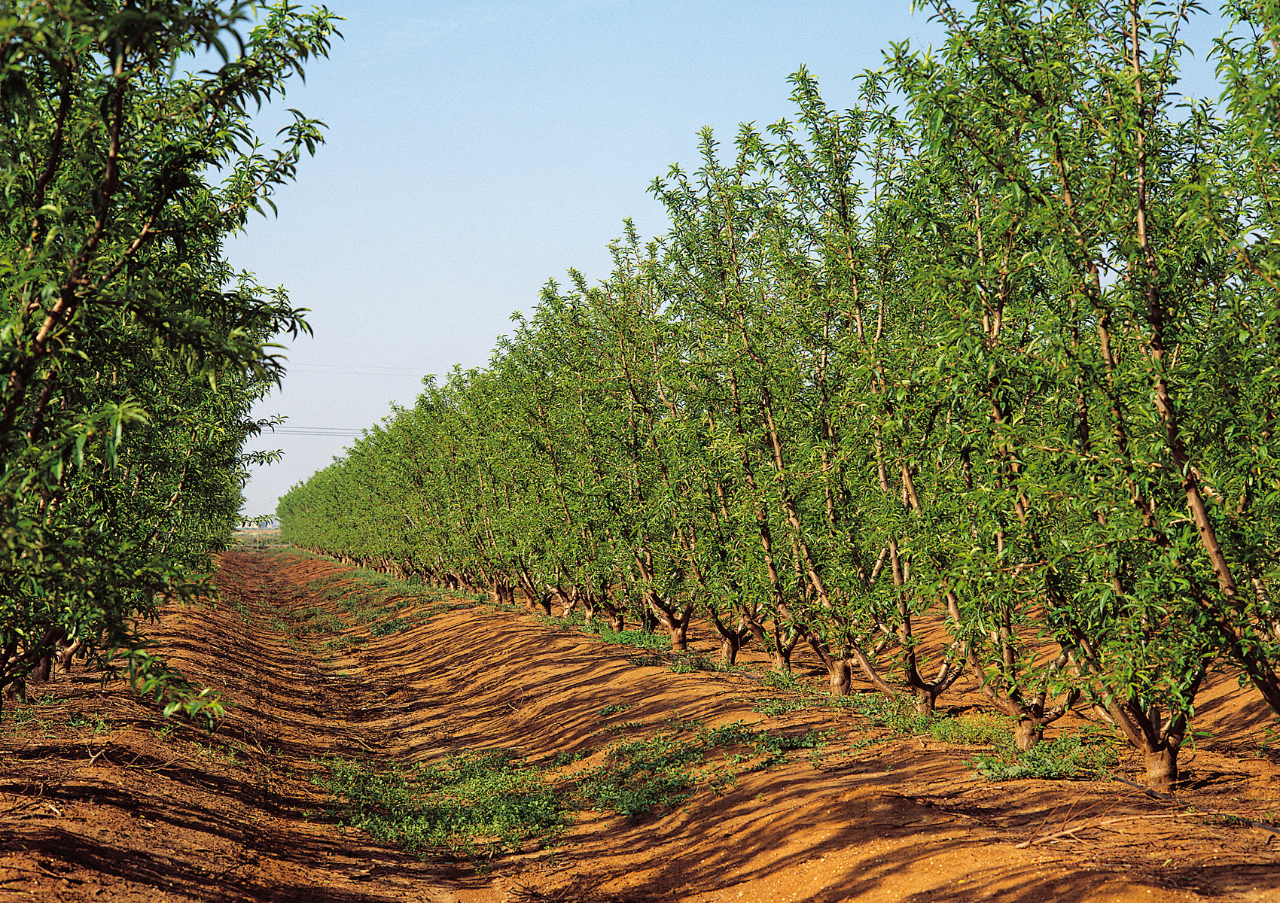
Beyond its growth, one of its key competitive factors is the ability to offer a product with an identified origin and traceability throughout the supply chain. In addition, certain varieties are well adapted to regions with hot summers, cold winters, and periods of scarce rainfall.
However, this adaptability does not mean the crop requires no water or that its profitability is guaranteed. Yield depends on factors such as variety, soil, water availability, the growing system, the onset of production, and agronomic management. That is why technologies such as precision irrigation, crop monitoring, and varietal selection are becoming increasingly important.
Some Spanish operators also use organic certification as a point of differentiation: a certified production system subject to specific controls that supports environmental sustainability.
Pistachio thus offers several compelling attributes: it meets the demand for plant based foods, enables the development of premium products, and is versatile enough to have a place on retail shelves, in the food industry, and in fine dining.
Renowned Spanish chefs have already showcased its potential. Paco Morales has used it as a creamy base paired with smoked herring caviar and green apple; Susi Díaz has incorporated pistachio oil and crushed pistachios into creations such as her lobster gazpacho; and Mario Sandoval has used it to reinterpret traditional dishes from a contemporary perspective.
Gourmet Gifts as a Value-Enhancement Strategy
Spanish foods and wines presented as gifts have also generated significant interest and engagement. This trend confirms that the market is looking not only for exclusive products, but also for offerings that embody a region, a tradition, and a distinctive approach to gastronomy.
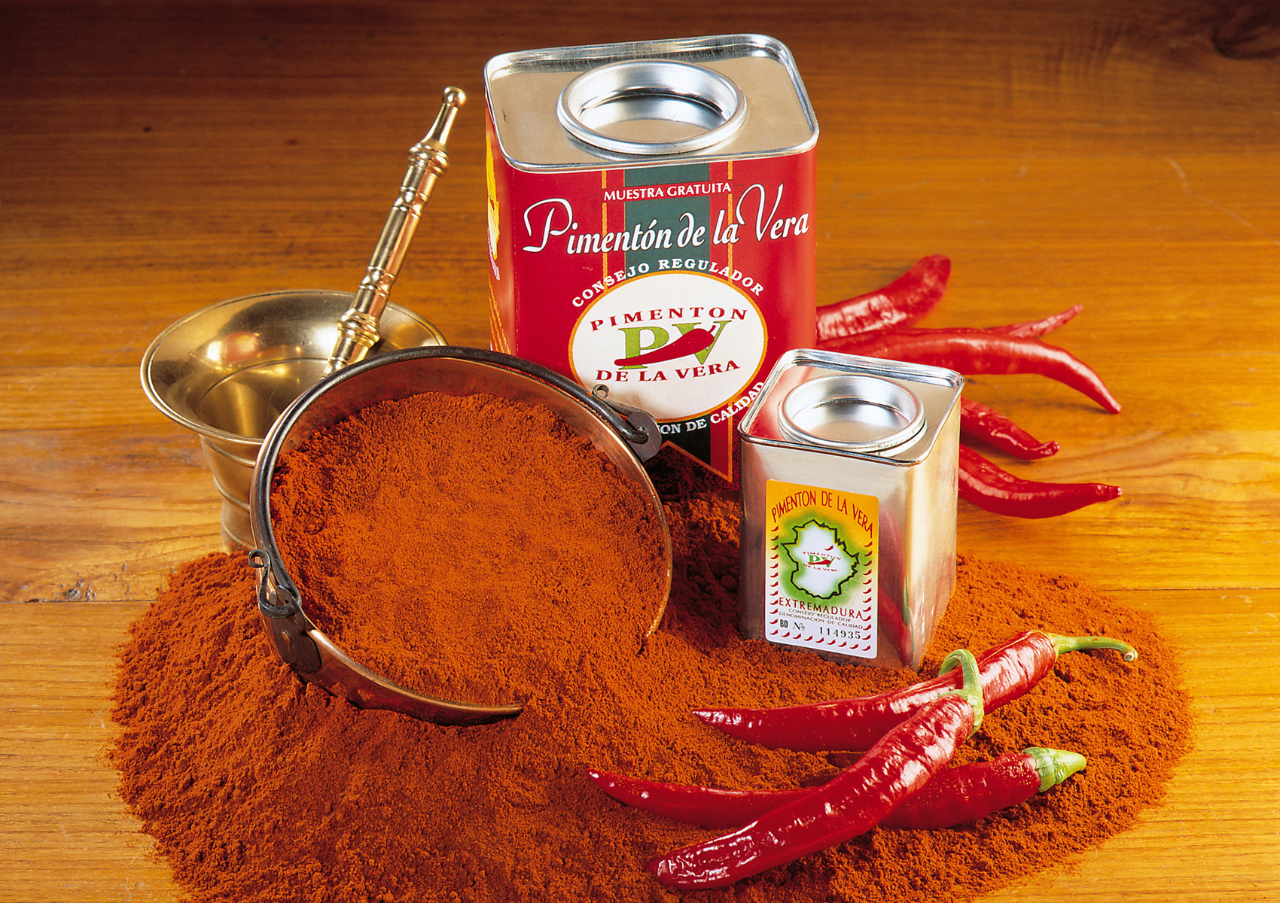
Canary Islands volcanic wines, Spanish cheeses, extra virgin olive oil, Pimentón de la Vera, La Mancha saffron, or black truffle have a unique ability to transform a gourmet gift basket into a cultural experience. Many are protected by designations of origin or other differentiated quality certification schemes, while others derive their unique character from the variety, origin, production method, or limited production volumes.
Extra virgin olive oil holds a prominent place in this category. In addition to their culinary value, certain products are valued for their polyphenol content, use of native varieties, sourcing from centuries-old olive trees, or organic certification. These elements help craft a compelling story centered on well-being, landscape, the long history of cultivation, and exclusivity.
To communicate these attributes effectively, it is essential to distinguish between the different quality schemes. A Protected Designation of Origin (PDO) certifies a product’s connection to a specific region and requires the stipulated production stages to take place within the defined area and in accordance with the product specification. This means that cheese, an olive oil, a spice, or a wine can be protected based on its geographical origin while also being certified organic if they meet the applicable requirements.
This clarity is especially important, as each label provides precise information on origin, production methods, the controls applied, and the assurances that can be conveyed to consumers.
In this context, gourmet gift baskets and selections can evolve into more targeted offerings: assortments of certified organic products, plant-based food selections, olive oil focused boxes, combinations of PDO products, or experiences that bring together foods, wines, recipes, and content about their places of origin.
Spanish gourmet gifts thus move beyond being purely seasonal purchases to become tools for discovery, regional promotion, cross-selling, and building customer loyalty.
The 2025 Wine Grape Harvest: Quality, Concentration, and Adaptation
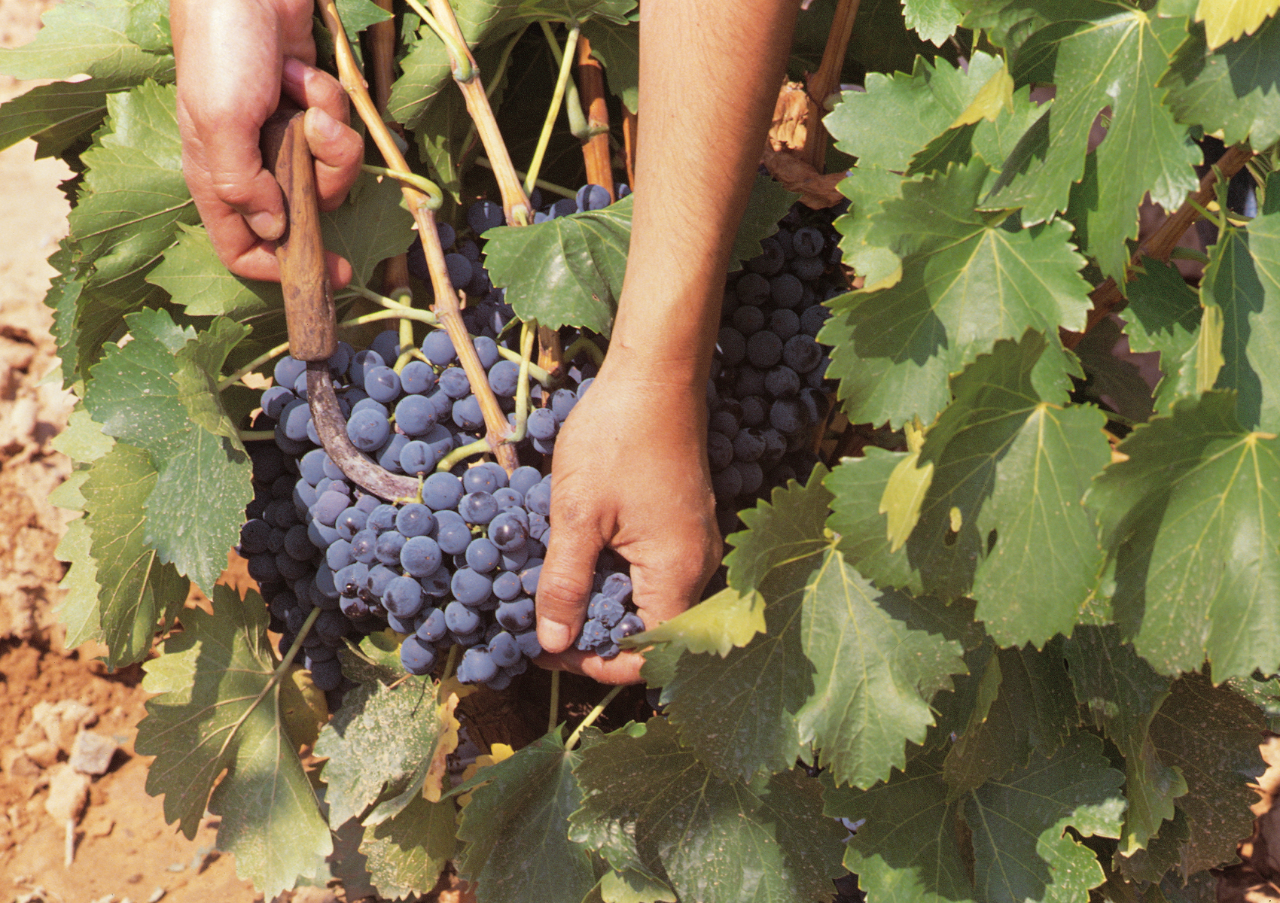
Spain’s 2025 wine grape harvest ranks as the third major area of interest among the topics that most engage our portal’s audience. Its trajectory illustrates how climate conditions are affecting both production volume and the wines’ profile.
The vintage was shaped by the return of rainfall during the winter and spring, downy mildew pressure in several regions, and intense summer heat waves. Overall, the harvest was smaller than in other years, likely one of the smallest of the 21st century, but yielded highly concentrated grapes, with healthy fruit in many regions and remarkable aromatic intensity.
Conditions varied considerably from one designation of origin to another. Galicia recorded high volumes in some areas; Ribera del Duero delivered a sizable harvest with strong aging potential, while Rioja, Campo de Borja, La Mancha, and much of Andalusia experienced sharper declines in production.
Overall, the technical experts and winemakers consulted agreed that the resulting wines stand out for their quality, balance, concentration, and aromatic intensity.
From an organic-production standpoint, one of the harvest’s most significant developments was the progress made by the Cava DO. Starting with the 2025 vintage, all Cavas de Guarda Superior will be 100% organic, strengthening the connection between categories with longer aging periods, traceability, and certified viticulture.
Organic production, soil stewardship, biodiversity, traceability, and vineyard adaptation to climate change are part of the strategies of a growing number of Spanish wineries and appellations. For wine, these attributes provide a rigorous foundation for communication as part of a sustainability strategy.
For importers and distributors, a limited, high-quality harvest can help set products apart, especially in appellations, vineyard plots, and categories capable of supporting premium positioning.
Organic Certification as a Common Language
The success of this content demonstrates industry professionals’ interest in products that combine culinary pleasure, a sense of place, and environmental responsibility. Spain offers an exceptionally diverse range of products to meet this demand, but its strength depends on each attribute being properly defined and substantiated.
Organic certification provides producers, buyers, and consumers with a recognizable language. It represents a regulated system, subject to inspections and controls, that makes it possible to identify products that comply with European organic production standards. Spain has 2,944,941 hectares devoted to organic production, equivalent to 12.31% of its utilized agricultural area, and has established itself as the leading European country in terms of organic farmland. Spanish exports of organic products reached €3.884 billion in 2024, up 27.5% from the previous year. Germany, France, and the Netherlands were the leading destinations within the European Union, while the United States, South Korea, the United Kingdom, Switzerland, and Japan ranked among the most prominent markets outside the EU.
Organic production can help achieve goals such as conserving biodiversity, reducing the use of synthetic chemicals, and adapting agricultural systems to climate change. This context helps explain the interest generated by the most widely read content: the growth of
Spain’s pistachio industry, the increasing appreciation of high-end food products, and the quality of the 2025 wine grape harvest, all of which reflect the same market trend across different sectors.
All three cases show that Spain’s product offering is evolving in step with the leading global trends in consumption and distribution: products with a clearly identifiable origin, greater traceability, responsible production methods, differentiated quality, and attributes that can be substantiated and clearly communicated.
Thanks to the diversity of its regions, varieties, and production methods, Spain can offer targeted solutions to meet the needs of importers, distributors, chefs, and industry opinion leaders. These professionals look not only for high-quality products, but also for reliable suppliers and offerings that combine gastronomic identity, food safety, sustainability, differentiation, and commercial potential.
In line with these market developments, the FWS portal specifically identifies the organic products included in the catalogs for its various activities, making them easier to find. In addition, a Who is Who directory of Spanish companies with organic certification is being developed as a go-to resource to showcase the available offerings, foster professional connections, and help international operators identify suppliers capable of meeting the growing demand for certified, traceable, and differentiated products.